Does gel memory foam actually sleep cool?
Gel adds a fixed amount of heat capacity to a slab of foam. That buys you a cooler first hour and changes nothing at 3am — because capacity is not the same as removal.
By Stephen V. · Specs last verified · Prices live as of October 25, 2026
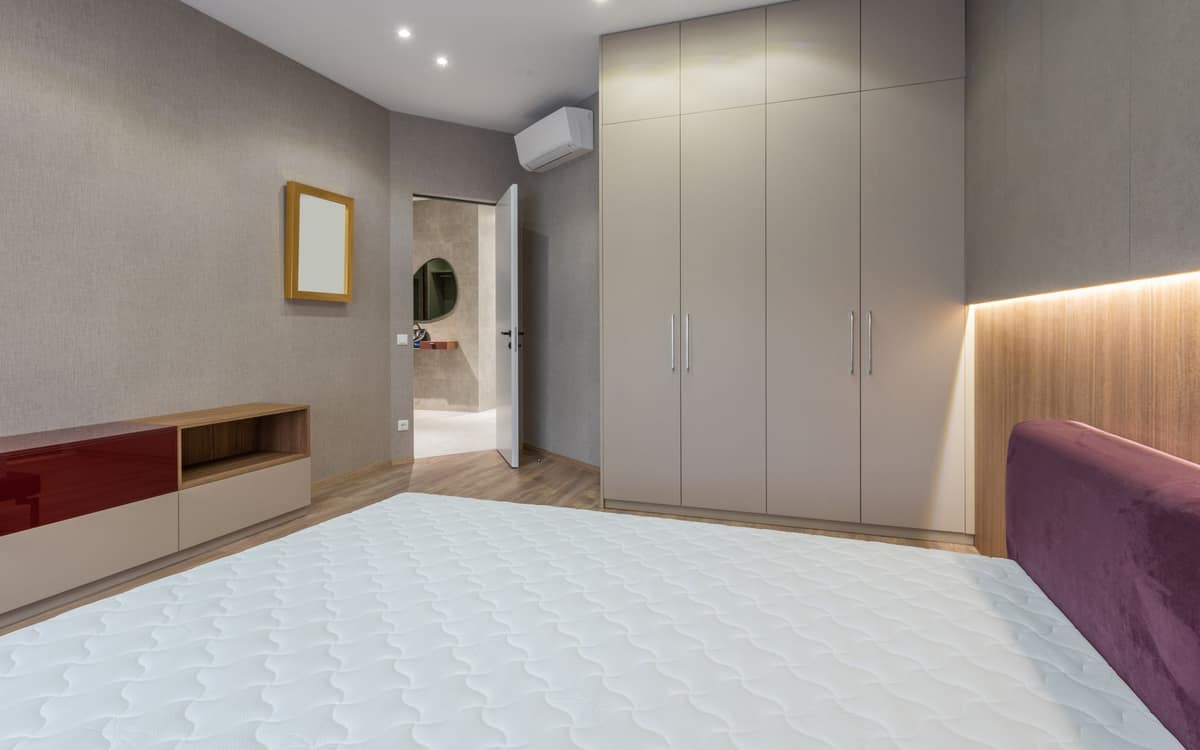
Gel memory foam sleeps cool for the first hour or so and then warms to your body temperature, because the gel adds heat capacity, not heat removal. It can absorb a fixed quantity of your body heat and then it is full, with nowhere to send it. The gel is a real but temporary effect, not a fix for a foam mattress that traps heat all night.
What the gel is doing
Gel memory foam is ordinary viscoelastic (memory) foam with gel added — either beads mixed into the foam or a gel layer laminated on. The gel has a higher heat capacity than the foam around it, which means it can soak up more of your body heat before its own temperature rises. When you first lie down, that soaking-up is happening fast, and the surface feels genuinely cooler than plain foam. That part is real.
The problem is the word “capacity.” The gel can hold a fixedamount of heat — the gel mass times its heat capacity — and once it has absorbed that much and warmed to your skin temperature, it stops. There is no fan, no pump, nothing connected to anywhere cooler. A passive material can move heat around and delay it, but it cannot make it leave the bed. So the cool phase lasts as long as it takes to fill the capacity — typically part of an hour — and then you are lying on warm memory foam.
Capacity versus removal, which is the whole point
This is the distinction the marketing blurs, and it sorts the entire category:
- Heat removalmeans heat actually leaves the bed — carried away by moving air (a hybrid's coils, a fan) or by circulating water (a powered cooling system). This works all night because there is somewhere for the heat to go.
- Heat capacitymeans heat is temporarily stored in a material that then warms up. Gel, phase-change layers, and “cool-touch” fabrics all work this way. They buy time and then saturate.
Gel is squarely in the second category. It is the same physics as a cold-touch pillow or blanket that feels great for five minutes — useful for falling asleepon a hot surface, useless at 3am. If a listing says gel keeps you cool “all night,” it is describing something a passive material cannot do.
| Feature | Mechanism | Lasts all night? |
|---|---|---|
| Coils / hybrid | Airflow — heat removal | Yes |
| Powered water or fan system | Active heat removal | Yes |
| Gel-infused memory foam | Heat capacity — temporary | No — warms after the first hour |
| Phase-change (PCM) layer | Latent heat — fixed capacity | Until it saturates |
| Cool-touch cover fabric | Surface conduction | No — minutes |
| Open / breathable cover | Lets moisture and air move | Yes, modestly |
So is gel foam worthless? No — but know what it is for
Gel foam is not a scam; it is oversold. The cooler first hour is a genuine help if your problem is getting to sleep on a warm bed, which is a real problem for a lot of people. What it will not do is keep a heat-trapping foam mattress cool through the night, and buying a gel-foam bed expecting that is the disappointment we see most.
If you already own a gel-foam or plain memory-foam bed and it sleeps hot, you do not need to replace it. Add airflow at the surface with a ventilated or latex topper (see toppers for a hot foam bed), switch to breathable sheets, and cool the room. If you are buying new and heat is your priority, the structural answer is coils, not gel — laid out on hybrid vs foam. Treat any gel infusion as a small bonus on top of a construction that already breathes, never as the reason to buy.
Common questions
Does gel memory foam actually keep you cool?
Only for the first hour or so. The gel adds heat capacity, so it absorbs a fixed amount of your body heat and feels cool at first, then warms to your temperature and stops helping. It cannot remove heat from the bed the way coils or a powered system can, so it does not keep you cool all night.
Why does my gel foam mattress get hot at night?
Because the gel has filled its heat capacity. It can store a fixed quantity of your body heat and then it is full, with nowhere to send the heat since it has no fan or pump. Underneath, it is still memory foam, which wraps around you and insulates. The cool feeling is real but temporary.
Is gel memory foam better than regular memory foam?
Slightly, and only at the start. Gel makes the first hour cooler than plain memory foam, which helps you fall asleep on a warm surface. Over a full night the difference is small, because both are solid foam that traps heat. Treat gel as a minor bonus, not a cooling solution.
How do I actually keep a foam mattress cool?
Add real airflow or moisture handling: a ventilated or latex topper that keeps you up off the foam, breathable sheets, and a cooler room. Those address heat that gel only delays. If you are buying new and heat matters most, choose a hybrid with coils rather than relying on a gel infusion.
Read next
- Cooling MattressesThe most expensive fix, and the one most people should try last.
- Hybrid vs memory foam for hot sleepersCoils breathe, foam insulates — the mattress choice that most affects heat.
- The best cooling toppers for a hot memory-foam mattressCool down a heat-trapping foam mattress without buying a new one.
Try the cheap thing first
Work down this list in order. Each step costs more than the one above it, and most people stop before the bottom. Replacing a mattress to fix a problem your sheets were causing is the most expensive mistake in this category.
- 1Pillowcase, then pillowUnder $20 to start
- 2Sheets$25-$60
- 3Top layer$30-$90
- 4Topper or pad$30-$300
- 5The mattress$200-$900
Before any of it: work out which one is actually your problem. If your bedroom is 78°F, none of these will save you.