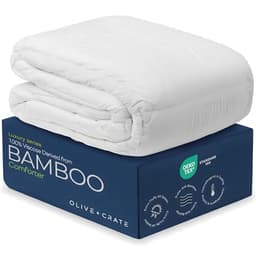
This is the layer people most often get wrong, and the mistake is always the same shape: buying a lighter, cooler-feeling duvet cover and leaving the same insert underneath it. The cover is a bag. The warmth is what is in the bag. What the cover doesdecide — the fabric on your skin, and which layer you can wash — is a real and separate question, ranked on cooling duvet covers.
A comforter keeps you warm by holding a thick layer of still air against you. That is what loft is, and loft is what warmth is. A 700-gram down-alternative insert in a breathable cotton cover is still a 700-gram insert. Fabric affects how the surface feels and how sweat is handled; thickness decides how hot you get.
Terminology, because the words are used interchangeably and are not
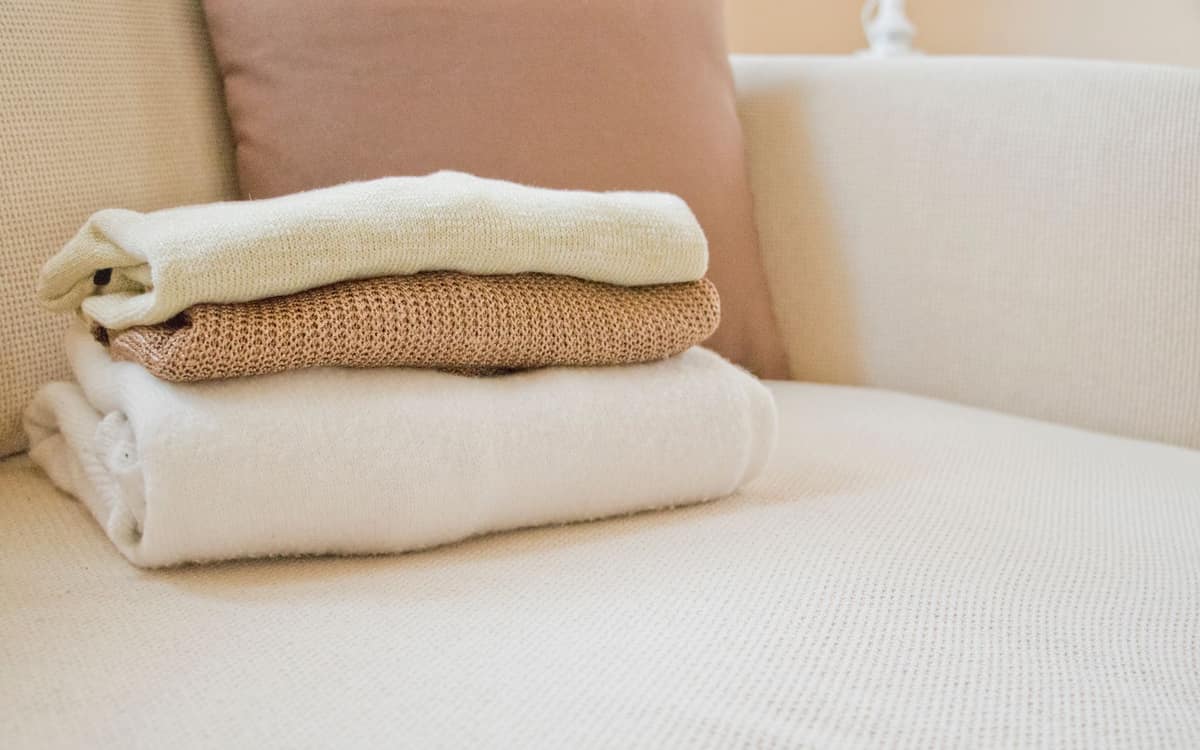
- Duvet insert— the filled part. Goes inside a washable cover. This is the piece that determines warmth.
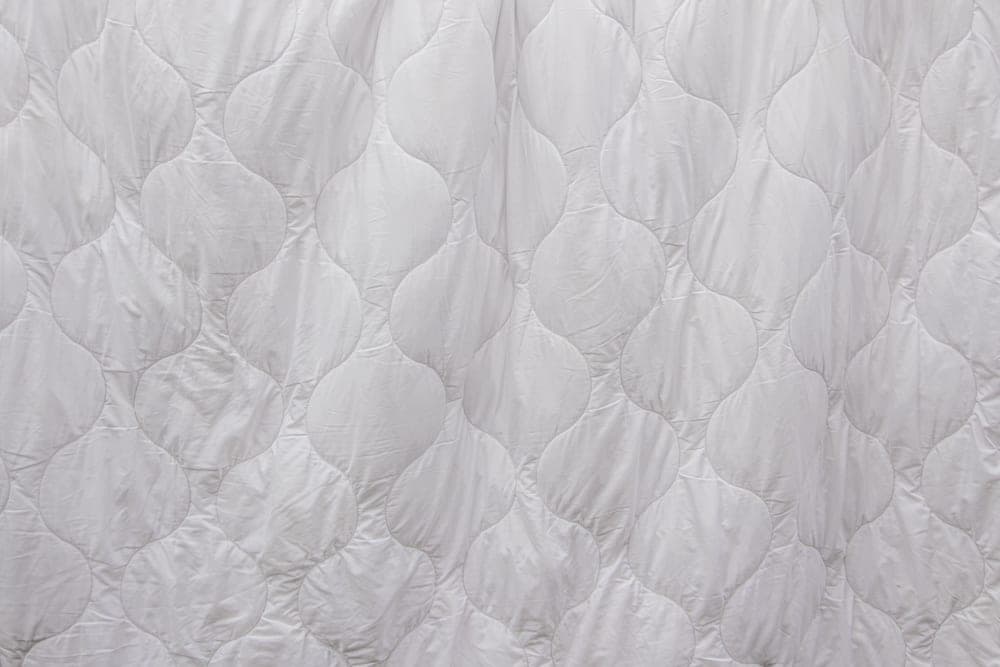
- Comforter— a filled quilt with a finished outer, used without a cover. Same job as an insert; harder to wash.
- Quilt— thin, tightly stitched through all layers, minimal loft. Cooler than either of the above by construction.
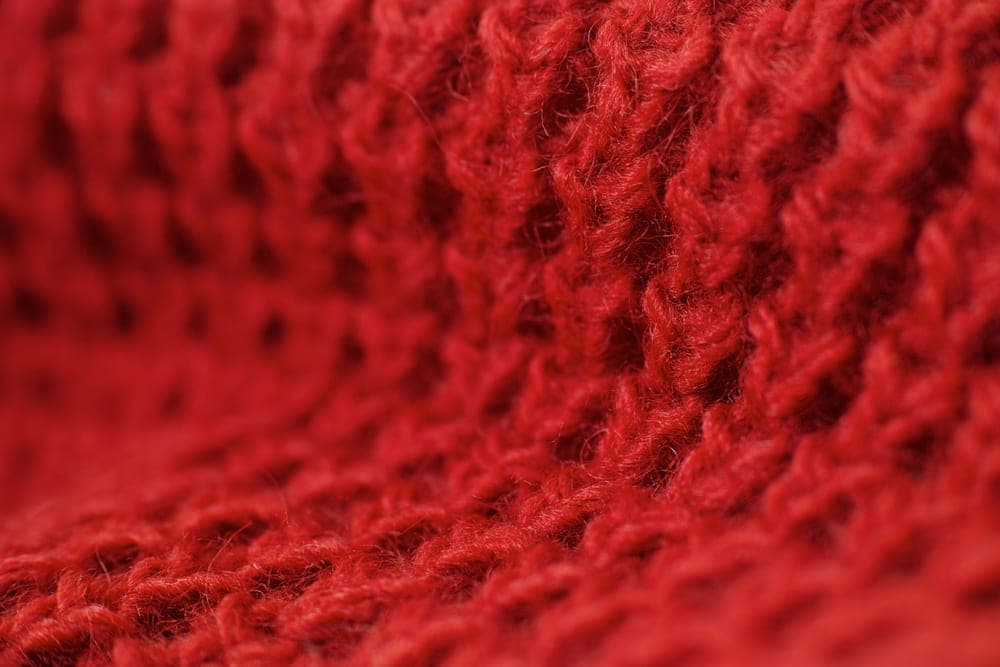
- Blanket— a single woven layer, no fill. Cotton waffle, wool, cellular. The coolest category and the most underused.
- Coverlet / bedspread— decorative, thin, essentially a blanket with a nicer finish.
Full breakdown on comforter vs duvet vs quilt.
Fill weight is the spec, and almost nobody publishes it
The number that would tell you how warm an insert is — grams of fill, or GSM — appears on European bedding routinely and on US marketplace listings almost never. Instead you get “all season”, “lightweight” and “cooling”, none of which are defined.
We have marked those cells “Not published” on every product below rather than estimating. In the absence of a number, the useful proxies are: does the listing say “summer” or “lightweight” rather than “all season”; is the construction baffled or box-stitched; and how much does the thing weigh in the shipping specification, which is the one figure a marketplace always has.
Waffle weave is the underrated answer
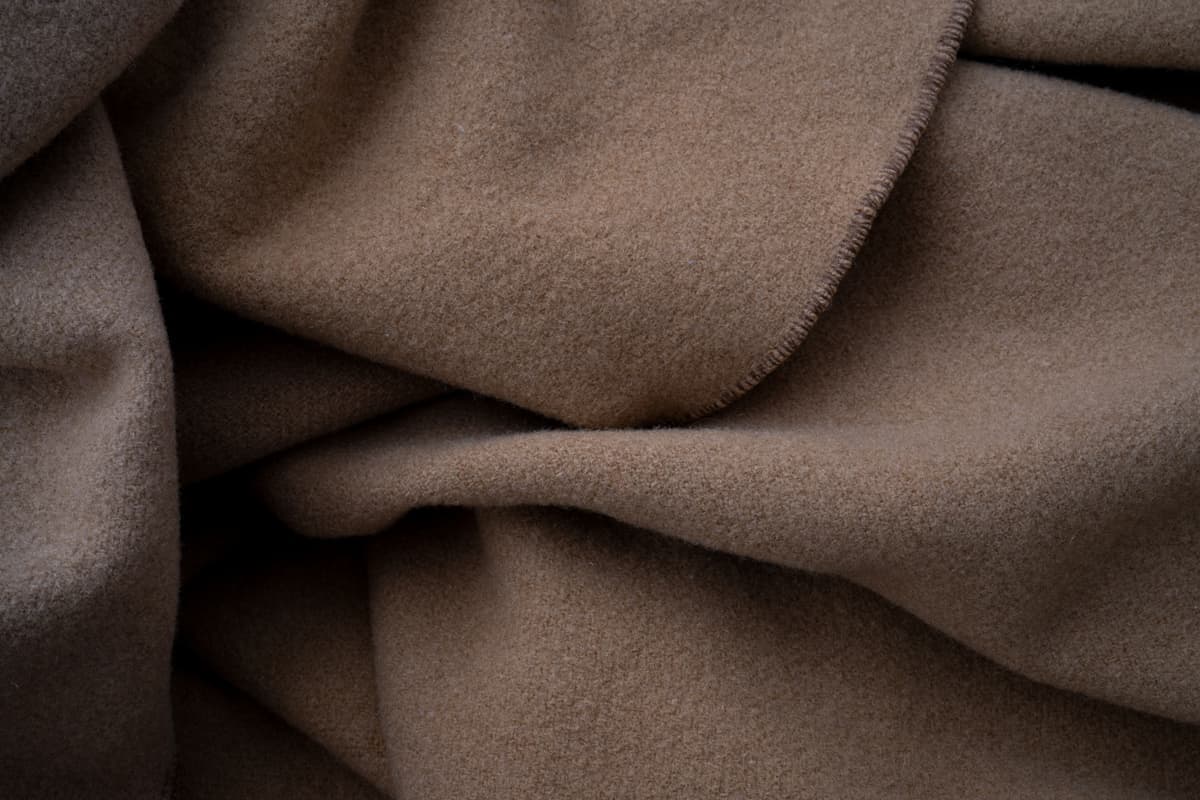
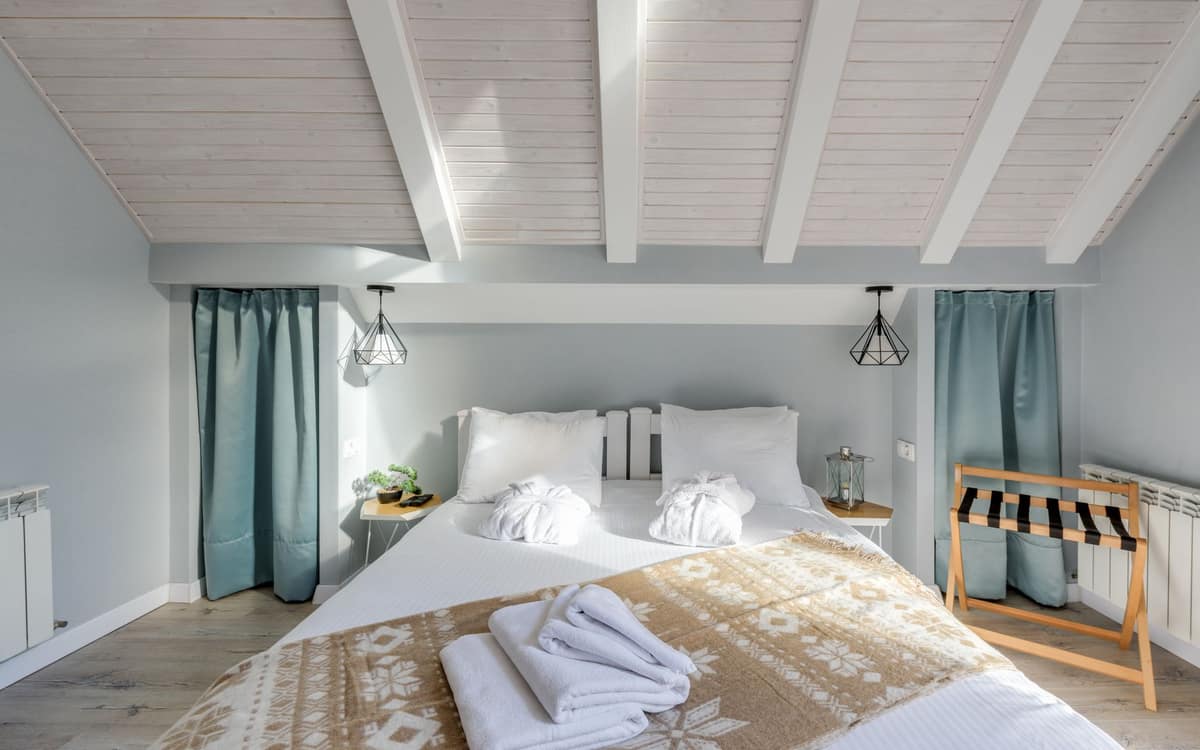
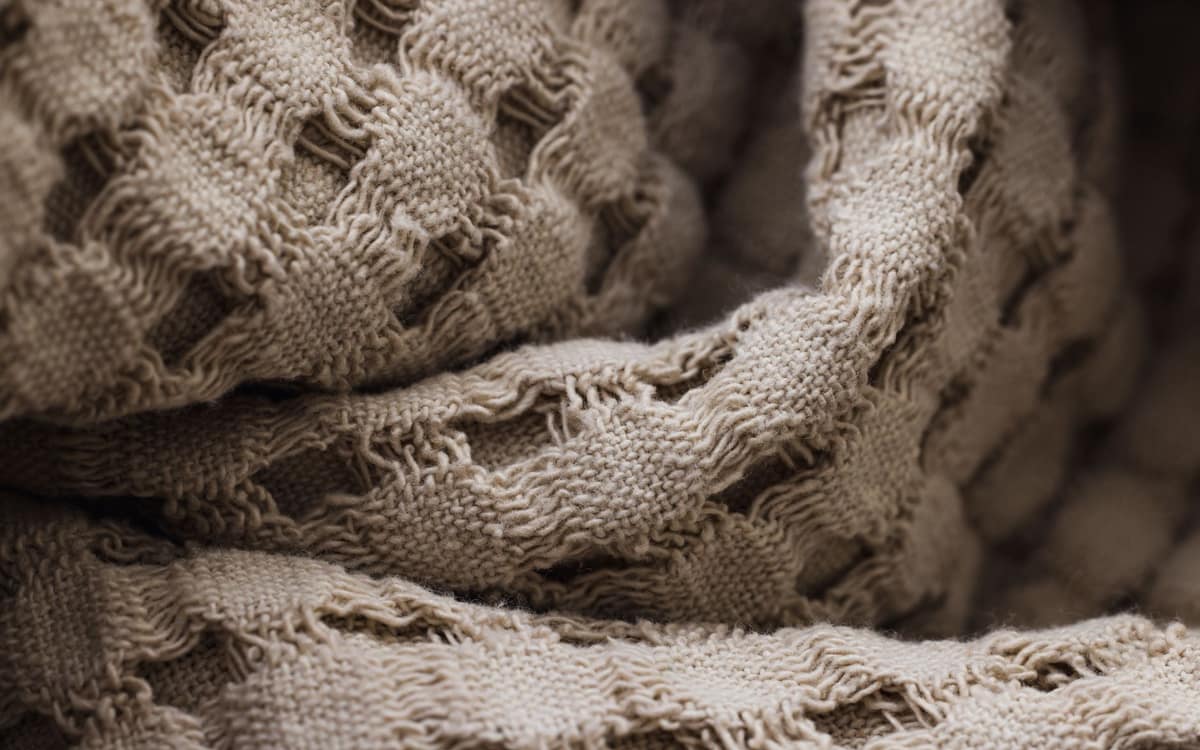
A waffle blanket uses long floats to build a raised grid, so most of its apparent thickness is open air rather than fiber. It holds itself off your skin, air moves through the recesses, and in cotton it absorbs sweat as well. For summer it is a better top layer than any “cooling comforter”, and it costs less than most of them.
Two of our top three picks are waffle weaves for exactly this reason. It is not a sophisticated technology — it is a weave that has existed for a century — and it outperforms most of the engineered options in this category.
If you share a bed with someone who runs cold
Stop trying to find a single blanket that satisfies both of you. It does not exist, because you have opposite requirements. Two separate top layers on one bed — the Scandinavian arrangement — solves it completely and costs less than one premium comforter. Everything else is a compromise where one of you loses.
The next best option is a genuinely dual-sided comforter, where the two faces are different fabrics and you each take the side you prefer. It helps, and it does not change the fact that you are under one thickness of fill.
Top layers compared
Top-layer types by construction. Our read of how each behaves, not a measurement.| Type | Loft | Airflow | Absorbs sweat | Best season |
|---|
| Cotton waffle blanket | Low, mostly air | High | Yes | Summer, alone |
| Cellular / open-weave blanket | Low | High | Yes | Summer, or layered |
| Quilt | Low, stitched through | Moderate | Yes, if cotton | Spring and fall |
| Lightweight duvet insert | Moderate | Low through the fill | Depends on fill | Most of the year |
| Cooling comforter (cold-touch face) | Moderate | Low | No, if nylon-faced | Sleep onset in summer |
| Standard down-alternative comforter | High | Very low | No | Winter |
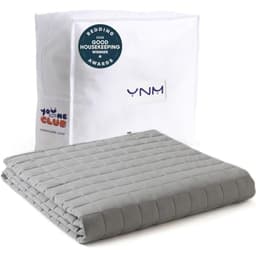
| Weighted blanket | Varies with fill type | Low — pressure reduces air movement | Depends on shell | Year-round, if the fill is dense |
What we would buy
For summer, a cotton waffle blanket and nothing else on the bed. For the rest of the year, a genuinely lightweight duvet insert in a cotton cover, with the waffle blanket available underneath on cool nights. That is two purchases totaling roughly $90 and it covers every season better than one expensive “all season” comforter does.
The one thing to avoid is buying a cold-touch blanket as your only fix. The sensation is real and it lasts about as long as it takes you to get comfortable — the reasoning is on do cooling blankets work.
Two more decisions sit outside the comforter-versus-blanket question. If one of you sleeps hot and the other does not, no single shared layer can be two temperatures at once, and the fix is to stop sharing one — the Scandinavian sleep method is the cheapest change in this whole category. And if you want weight, the number of pounds matters as much as the fill: how heavy a weighted blanket should be works through the 10 percent rule and why the standard 15-pound blanket is light for most American adults. For the straight choice between a waffle weave and a cooling comforter, see waffle blanket vs cooling comforter.
One practical thing to settle before you order any of it: four different finished sizes are sold under the single word queen, while queen duvet covers are almost all cut to one size. Which numbers actually fit, and why sizing up costs you airflow at the sides of the bed, are on comforter and duvet sizes.