Sheets are the cheapest change you can make to a hot bed, and the one most likely to work. They sit directly against your skin for eight hours; a mattress does not. If you are going to spend money once, spend it here first — that is the whole argument of our what-to-fix-first guide, and it is why this hub sits at the top of the escalation ladder.
The problem is that “cooling” is not a regulated word. It appears on brushed polyester and on 100% flax linen with equal confidence, and those two fabrics behave in opposite ways. So rather than rank on the word, we rank on the two properties that actually determine how a sheet handles body heat.
The two things that decide whether a sheet sleeps cool
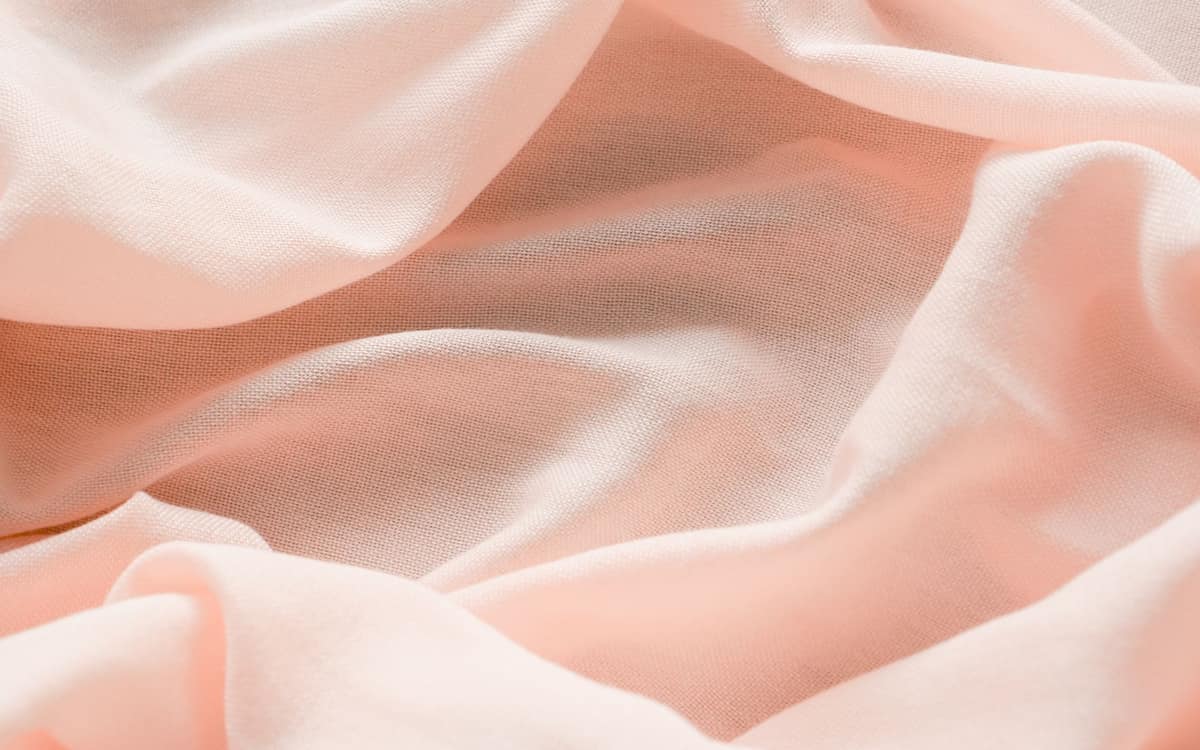
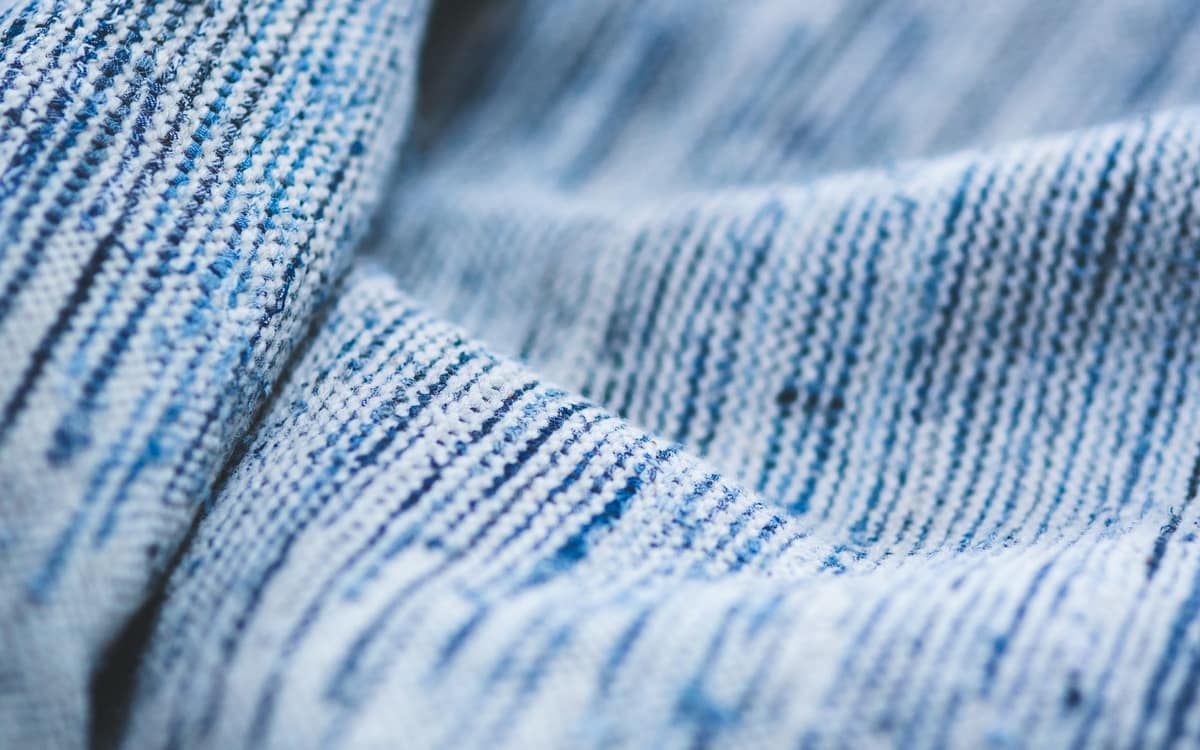
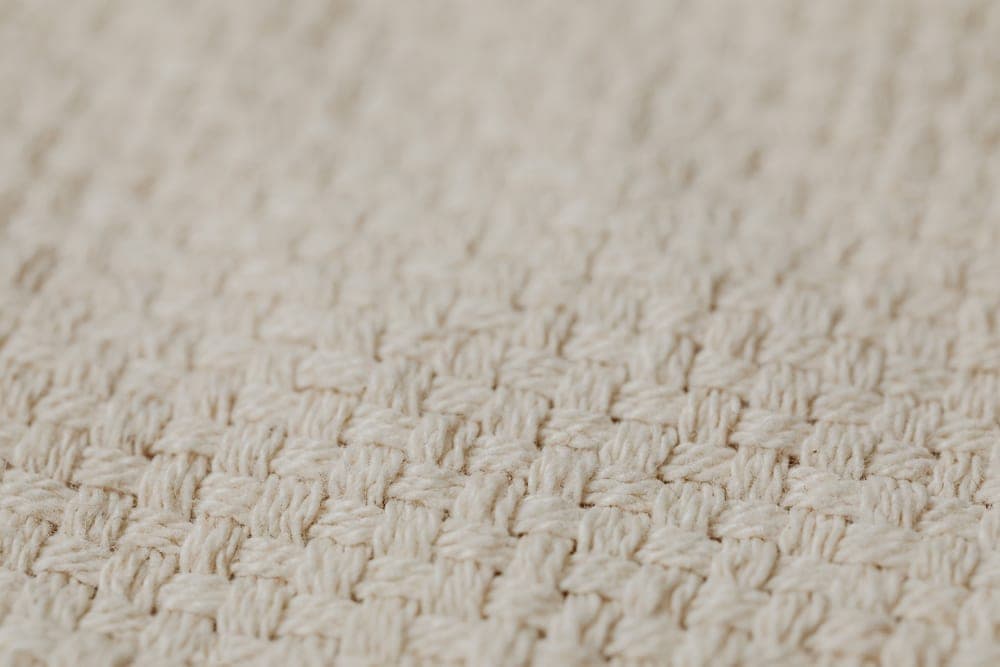
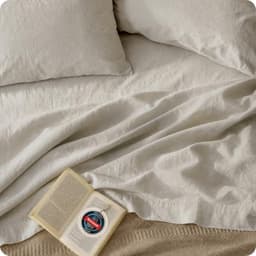
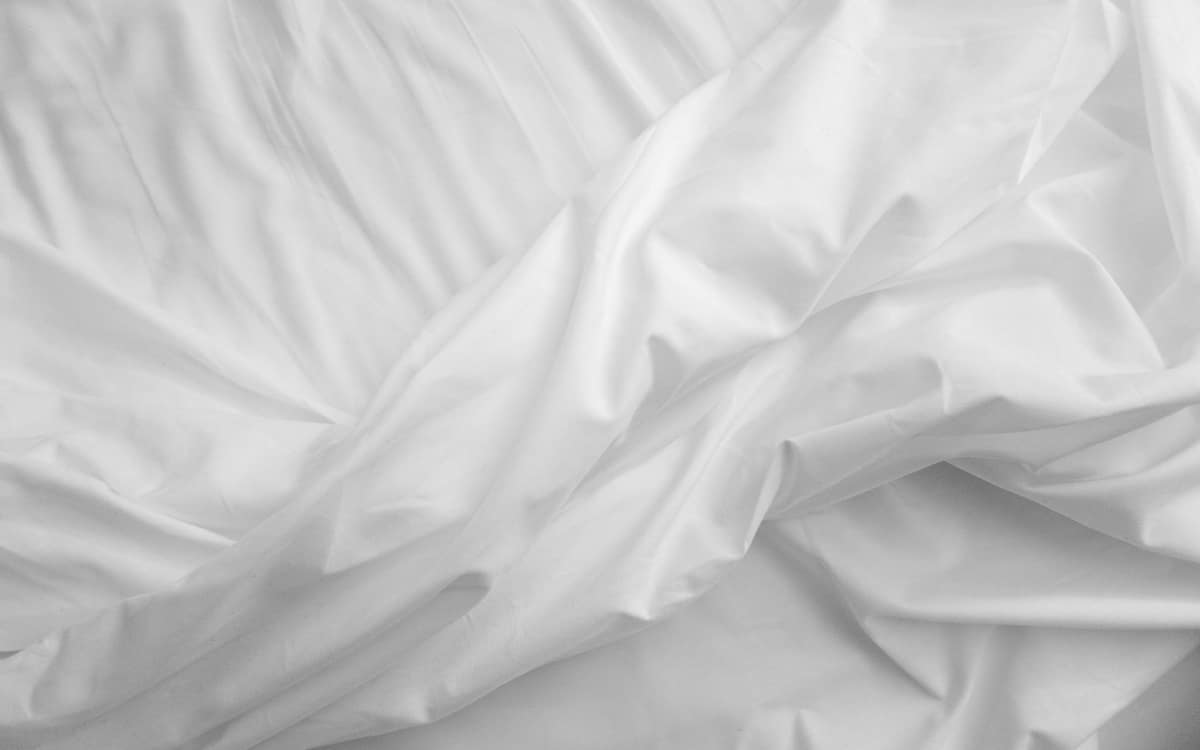
Weave first. A weave is the pattern the threads cross in, and it sets how much open space exists between them. Percale is a plain one-over-one-under weave: the tightest possible interlacing pattern, but with the most gaps between yarns, because every thread changes direction at every crossing. Sateen floats four threads over one, which produces a smooth, slightly shiny face and a denser, flatter cloth with fewer gaps. That is why percale breathes and sateen does not, and it has nothing to do with the price or the thread count. Waffle and other textured weaves go further, using long floats to build a raised grid that holds most of the fabric off your skin entirely.
Fiber second.The fiber decides what happens to your sweat. Cotton, linen and lyocell absorb moisture into the fiber itself, so a damp patch stops feeling wet quickly. Polyester does not absorb at all — engineered wicking polyesters like Coolmax move liquid along the fiber surface to evaporate, which works, but a generic “cooling microfiber” has no such structure and simply holds the sweat against you.
Get both right and you have a genuinely cool sheet. Get one wrong and you have a sheet that solves half the problem. That is the entire basis for the ranking below, and we would rather tell you the rule than have you take our word for the order.
Thread count is not the spec you think it is
Thread count measures threads per square inch. Past roughly 400 it is achieved by using multi-ply yarns — thinner strands twisted together and counted individually — so a “1000 thread count” sheet is usually a 250-thread-count cloth with the arithmetic done generously. More importantly, a higher count means a denser cloth, which is the opposite of what a hot sleeper wants. If you sleep hot, a 200-300 thread count percale will beat a 600 thread count sateen every time.
You will notice that almost none of the products below publishes a thread count at all. We have marked those cells “Not published” rather than estimating, and we think the absence is genuinely informative: sellers publish the numbers that flatter them. Fabric weight in GSM would be far more useful and appears on exactly one product in this entire roundup.
How much difference can a sheet actually make?
An honest answer: a sheet changes how heat and moisture leave the few millimeters around your skin. It cannot change your bedroom. If your room is 78°F and humid, no sheet on this page will rescue the night — you need air movement and a lower room temperature first. What a good sheet does is stop the bed from being worse than the room, which for most people who describe themselves as hot sleepers is the actual problem.
If you have already fixed the room and the sheets and you are still overheating, the next layer up is your top layer, and after that the surface of the mattress. Work up the ladder in cost order; most people never reach the bottom of it.
Materials, ranked by how they handle heat
This is the summary version. The full breakdown, including what each fiber does with moisture and how it wears, is on our sheet materials page.
Common sheet fibers and weaves, by cooling mechanism. Our read of published fiber properties, not a measurement.| Fabric | How it cools | Feel | Watch out for |
|---|
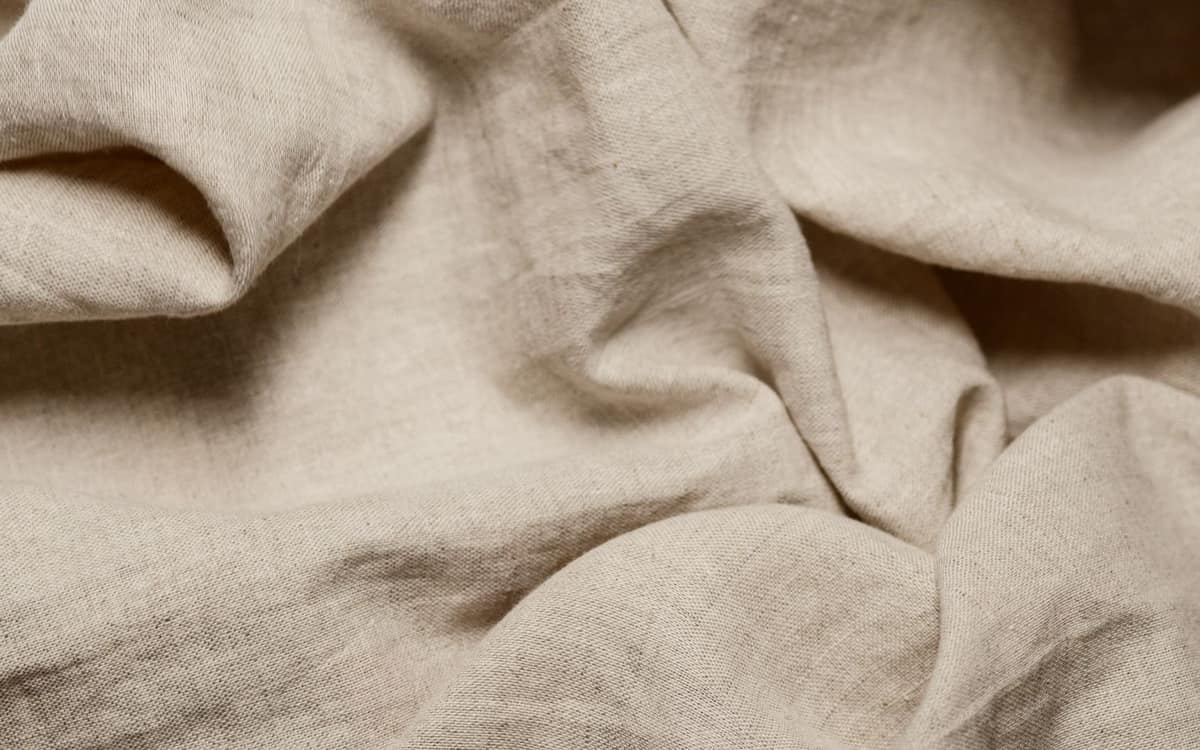
| Linen (flax) | Airflow — stiff hollow fiber stands off the skin | Crisp, textured, rumpled | Scratchy for the first few washes; expensive |
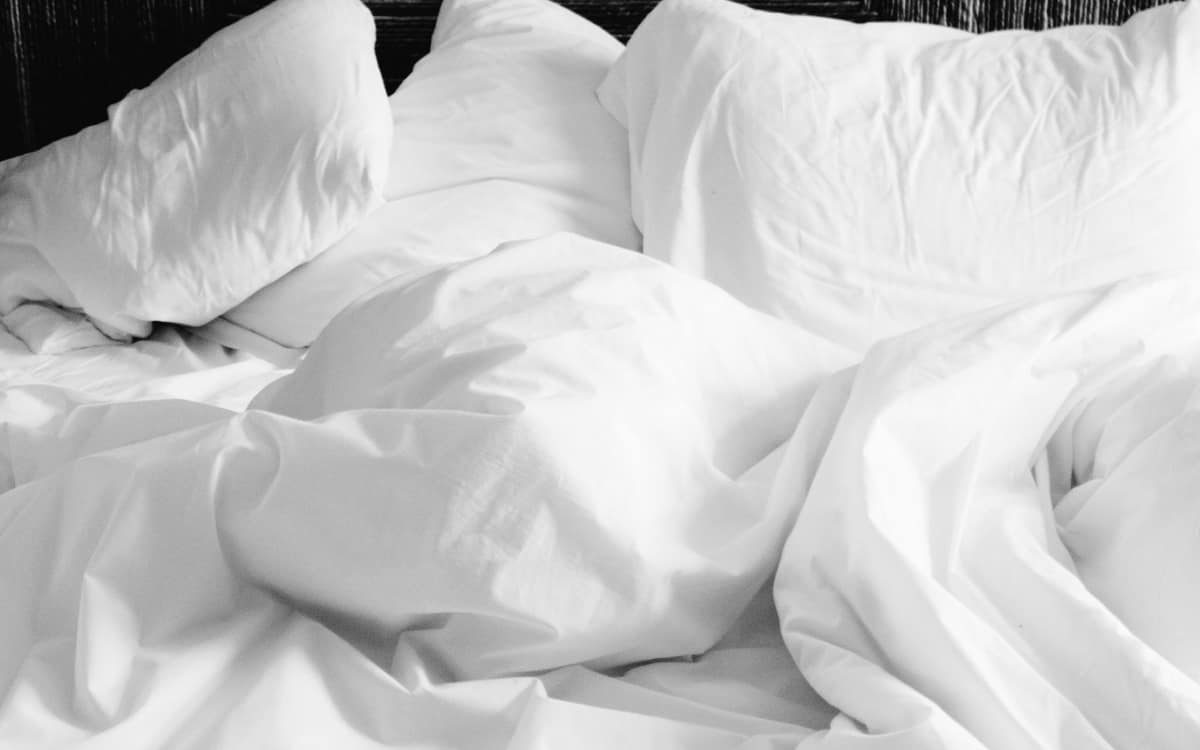
| Cotton percale | Airflow — open plain weave | Crisp, cool, hotel-like | Wrinkles; needs the weave named on the listing |
| Cotton waffle | Airflow — raised grid holds fabric off skin | Textured, light | Snags; thin for winter |
| Lyocell / Tencel | Wicking — absorbs moisture into the fiber | Smooth, fluid drape | Needs gentle washing |
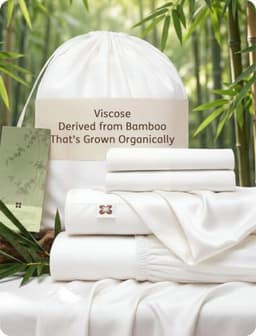
| Bamboo viscose | Wicking — absorbent regenerated cellulose | Smooth, heavy drape | Weak when wet; label must say viscose or rayon |
| Coolmax polyester | Wicking — engineered capillary channels | Slick, sporty | Moves moisture but never absorbs it |
| Cotton sateen | Little to none — dense float weave | Silky, lustrous | Marketed as luxury; sleeps warm |
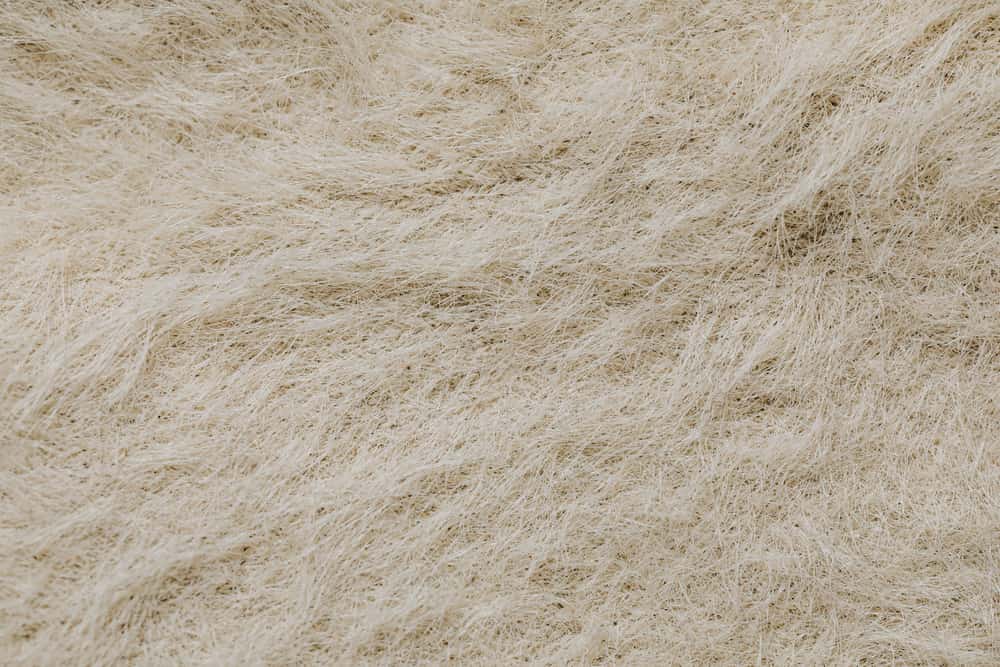
| Brushed microfiber | None — raised nap traps still air | Soft, fuzzy | Frequently sold as 'cooling'; it is insulation |
What we would actually buy
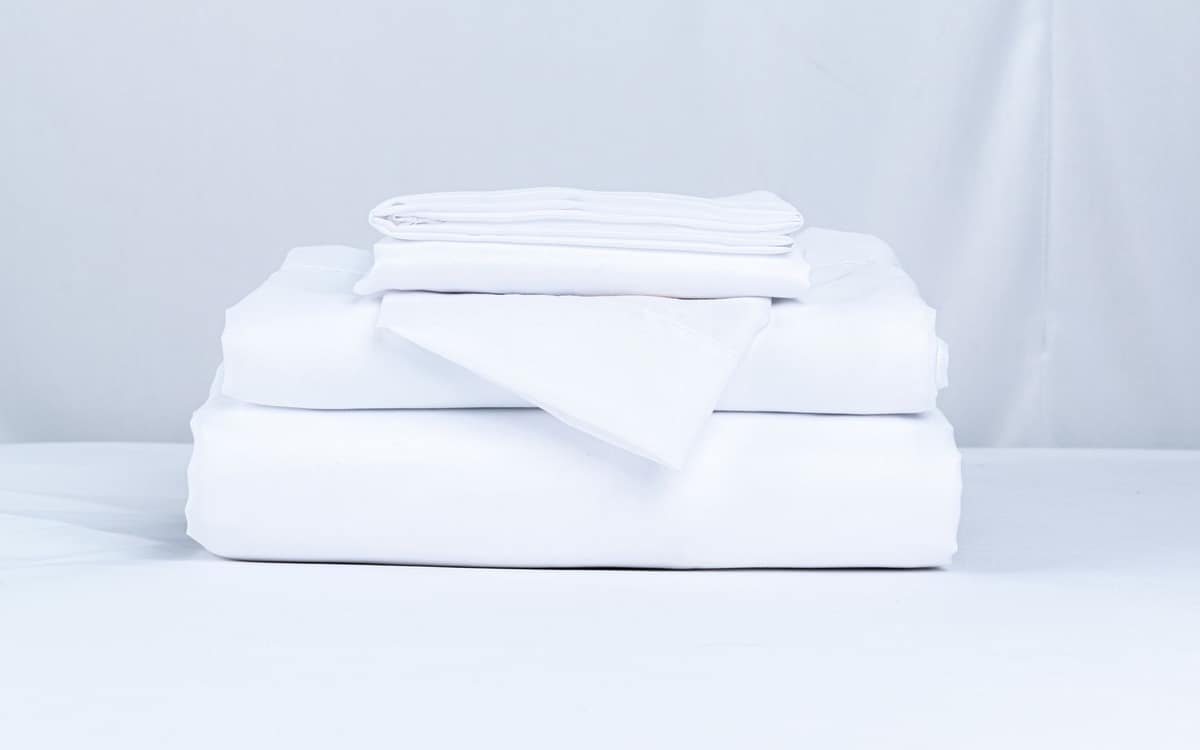
If someone asked us for one answer with no follow-up questions: a cotton percale set, around $30-$50, and a second set so there is always a dry one on the bed. The second set matters more than the brand. If you have tried percale and disliked the crispness, buy lyocell instead — it is the same money for the opposite hand-feel and it handles sweat better. If you already know you love the feel of linen, buy linen and stop reading.
Only one purchase here is a mistake, and it is a common one: buying brushed microfiber because the listing says cooling. It is a fine cheap sheet for a cold room and the worst possible choice for the problem you are trying to solve.