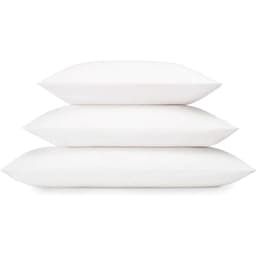
A pillow is a small purchase with a disproportionate effect, for a reason that is physical rather than psychological. Your head and neck carry high blood flow near the surface, they are in continuous contact with one small piece of fabric for eight hours, and unlike the rest of you they are not usually under a blanket — so all that heat has one narrow route out. Pound for pound it is the hottest interface in the bed.
It is also the cheapest to change, which is why our escalation ladder puts the pillowcase at step one, before sheets and long before the mattress. A $15 pillowcase is the highest-value experiment available to a hot sleeper.
The one rule: solid blocks trap heat, loose fills do not
Almost everything about pillow temperature follows from a single structural question: is the fill one piece, or many?
A solid memory foam pillow is a sealed slab of polyurethane under the hottest part of you. There is no path through it. It softens as it warms — that is what viscoelastic means — so your head sinks in and the foam wraps around your cheek and ear, increasing contact area and reducing the surface exposed to room air. The longer you lie still, the worse it gets.
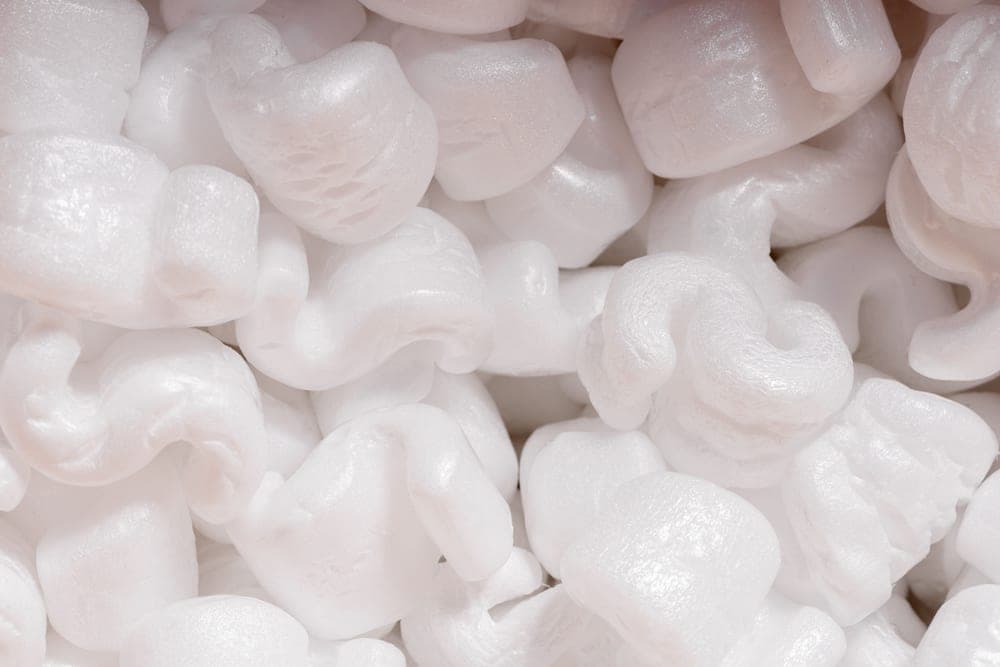
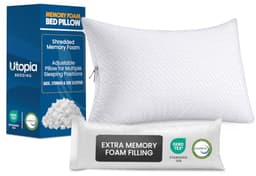
Shred the identical material into pieces and the thermal behavior changes completely. The gaps between the pieces are interconnected voids that air can move through, and because the pieces shift when you move, that air gets exchanged. Same polyurethane, same chemistry, entirely different night. That is why our top pick is a shredded pillow that costs less than most solid ones.
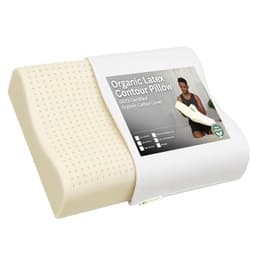
Buckwheat hulls take the principle to its limit: the hulls are rigid, so the void fraction between them barely changes no matter how much weight is on top. Latex sits in between — a single piece, but one whose cell structure is open and which is often drilled through as well.
Loft, and why it matters for temperature too
Loft is pillow height. It is normally discussed as a neck-alignment question, and it is one: side sleepers need the most (the gap between head and mattress is largest), back sleepers need medium, stomach sleepers need almost none.
It is also a thermal question, because loft is material, and material is insulation. A tall pillow is a lot of stuff right beside the hottest part of you. This is the argument for an adjustable pillow: being able to remove fill until it is exactly as tall as your neck needs and no taller is the single most useful feature in a pillow, for both reasons at once. Nearly every shredded-fill pillow has this and nearly every solid one does not.
Start with the case, not the pillow
Before replacing a pillow you may otherwise like, change the case. It is under $20, it is the layer actually touching your skin, and for a lot of people it is enough. The distinction between what a case can fix and what it cannot is on pillow vs pillowcase, and the picks are on cooling pillowcases.
One warning that saves people money constantly: a satin pillowcase is not a cooling product. Satin is a weave; the fiber is almost always polyester, which does not absorb sweat. It is genuinely good for hair friction and it does nothing for heat.
Fills compared
Pillow fills by cooling mechanism. Our read of published construction, not a measurement.| Fill | Structure | Airflow | Adjustable | Trade-off |
|---|
| Buckwheat hulls | Rigid loose fill | Highest | Yes, add or remove hulls | Firm and audibly rustles |
| Shredded memory foam | Loose foam pieces | High | Yes | Clumps; needs fluffing |
| Talalay latex | Single piece, open cell | Moderate to high | No | Heavy; firm; latex allergy |
| Down and feather | Loose natural fill | Moderate | Somewhat | Compresses flat; traps heat when it does |
| Solid gel memory foam | Sealed slab | None | No | Warms with you and wraps your face |
What we would buy
A shredded-fill pillow with a removable cover, plus a viscose or lyocell pillowcase. That is roughly $35 all in and it addresses both the structural and the surface problem. If you want support that holds all night rather than something you reshape, buy latex. If you are prepared to change what a pillow feels like entirely, buckwheat is the coolest thing you can put your head on and about a third of people who try it never go back.
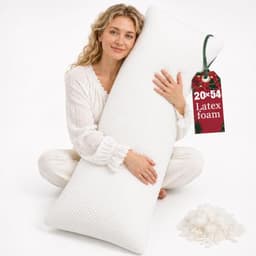
If you sleep on your side and hug something, the same rules apply at a far larger scale: a body pillow roughly doubles the amount of bedding touching you, so fill structure and total mass matter more there than anywhere else in the bed. The picks are on cooling body pillows.
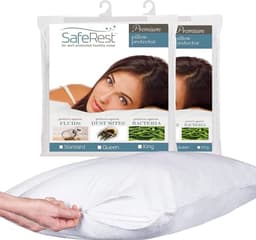
Once the pillow is right, the layer between it and you is worth a second look. A pillowcase does not stop sweat reaching the fill, which is why a two-year-old pillow is yellow — and the zippered covers sold to fix that split into waterproof ones that sleep warmer and breathable ones that stop no liquid at all. Which to buy for which problem is on pillow protectors for hot sleepers.
The one thing not to buy for this problem is a solid gel memory foam pillow, which is the best-selling shape in the category.
Before you buy anything, check whether the pillow you already own is the problem. A compressed pillow has lost the air spaces that were doing the cooling, so waking up hot is usually the first symptom of a pillow that is finished — and several fills can be topped up for a few dollars instead of replaced. The tests, and what the listings do and do not publish about lifespan, are on how often to replace a pillow.
One sizing note if you are buying a body pillow rather than a head pillow: the category has settled on 20 by 54 inches, body pillowcases are cut for that size and very little else, and every extra inch of length is extra bedding held against you all night. The published dimensions and what they mean are on body pillow sizes. If your problem is your neck rather than your temperature, start with cooling pillows for neck pain.
If the budget is the constraint rather than the choice, the category rewards you more than most: a shredded pillow, a case that absorbs and a cover that keeps sweat out of the fill all fit inside fifty dollars together, and that three-piece setup beats any single pillow at the same price. What the budget does and does not buy is set out on the best cooling pillows under $50.