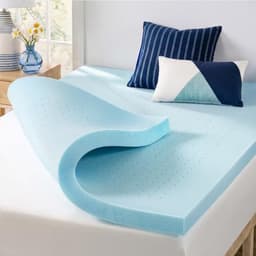
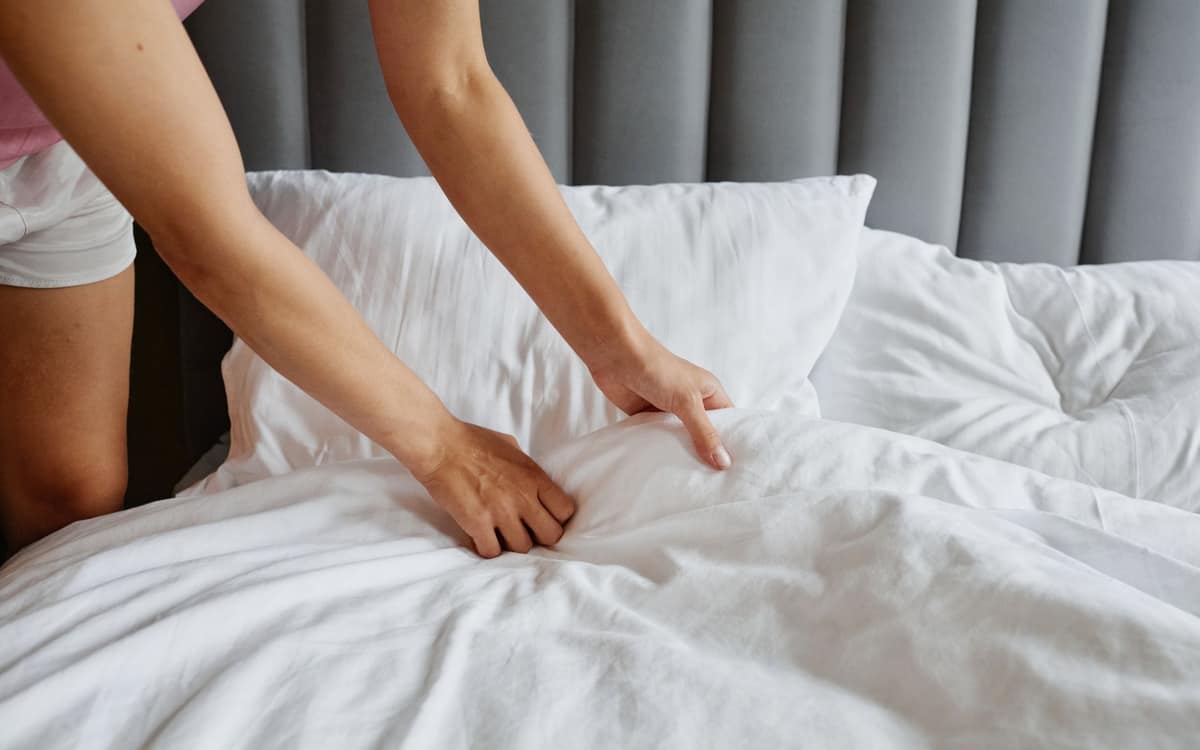
Here is the thing nobody selling mattress toppers wants to lead with: a topper is a layer of insulation you are adding to your bed.Every inch of material between you and the mattress is an inch of material that heat has to get through. The best-selling “cooling” topper on any marketplace is three inches of gel-infused memory foam, and for someone whose actual problem is overheating, that is a strange thing to buy.
This does not mean toppers are useless for hot sleepers. It means the ones that work are not the ones with the biggest listings, and the reasoning is worth understanding before you spend anything.
Three products, one shelf, constantly confused
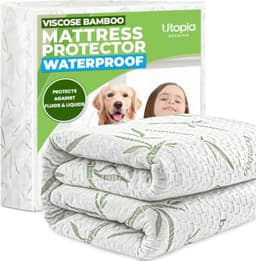
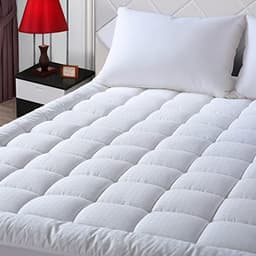
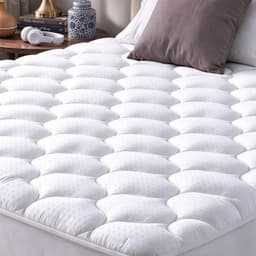
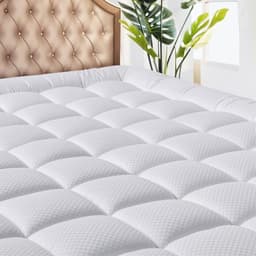
Before anything else: a topper, a pad and a protector are three different products, and people buy them interchangeably because marketplaces list them under the same terms. A topper is thick (2-4 inches) and changes how the bed feels. A pad is thin, quilted, adds a little softness and is washable. A protector is a barrier, usually waterproof, and adds nothing to comfort. They cost different amounts, solve different problems, and only one of them is likely to be your answer. We wrote a whole page on it: topper vs pad vs protector.
Why gel memory foam is the wrong default
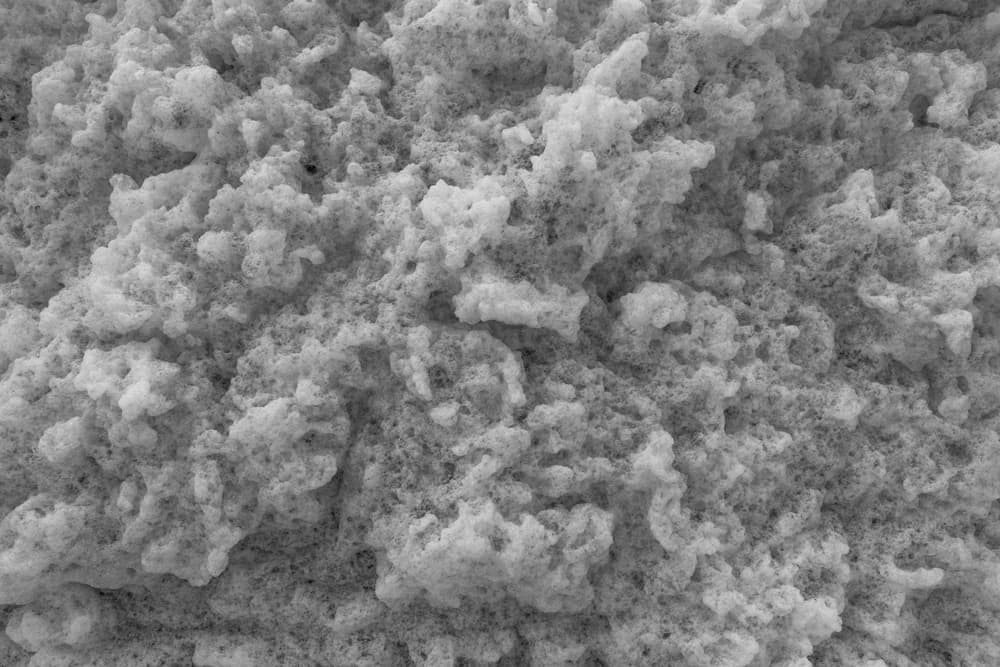
Memory foam is viscoelastic: it softens as it warms, which is precisely how it conforms to you. As the night goes on it wraps more closely around your body, increasing contact area and reducing the skin you have exposed to air. Adding it to a bed to solve a heat problem means adding more of the mechanism that causes heat problems — the same argument we make about mattresses on why your mattress sleeps hot.
Gel infusion raises the foam's heat capacity, so it takes marginally longer to warm up. That is a real effect and a small one, and it saturates: once the slab has reached your body temperature, the gel has finished contributing. Ventilation holes are a genuine improvement over a solid slab because they give convection a route, but they are a mitigation, not a fix.
If you need memory foam's pressure relief — and plenty of people do, for reasons that have nothing to do with temperature — buy it knowingly, buy the ventilated version, and expect to compensate elsewhere in the bed.
What actually works, in order
- A thin fiber pad. Changes the surface without adding a slab. If the mattress surface is your problem but you do not need pressure relief, this is the answer and it is the cheapest one.
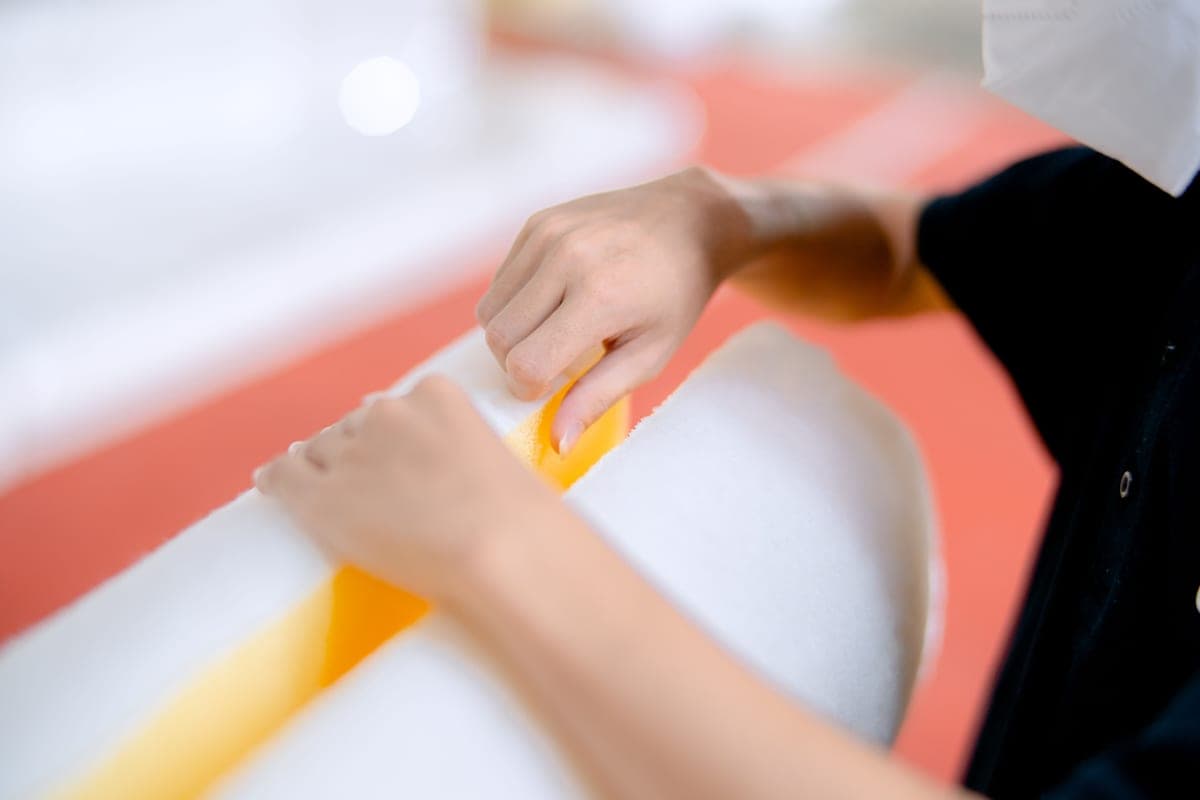
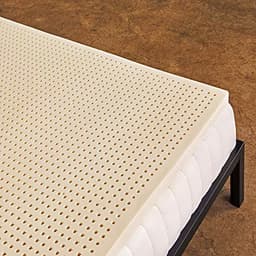
- Latex.The only common topper material that provides real pressure relief and breathes. Natural latex is open-celled and pin-cored — drilled with a grid of holes during molding — so air genuinely moves through the slab. It also responds instantly rather than slowly molding a heat-trapping hollow. It costs three to six times what foam does, and that is the whole trade.
- A phase-change pad. A PCM layer absorbs heat by melting at a set temperature. This is real physics and it has a hard limit: capacity equals the mass of PCM times its latent heat, and no listing publishes the mass. Excellent for falling asleep, finite for the night.
- Ventilated gel memory foam. Last, and only if you need the pressure relief.
Before you buy: measure the bed
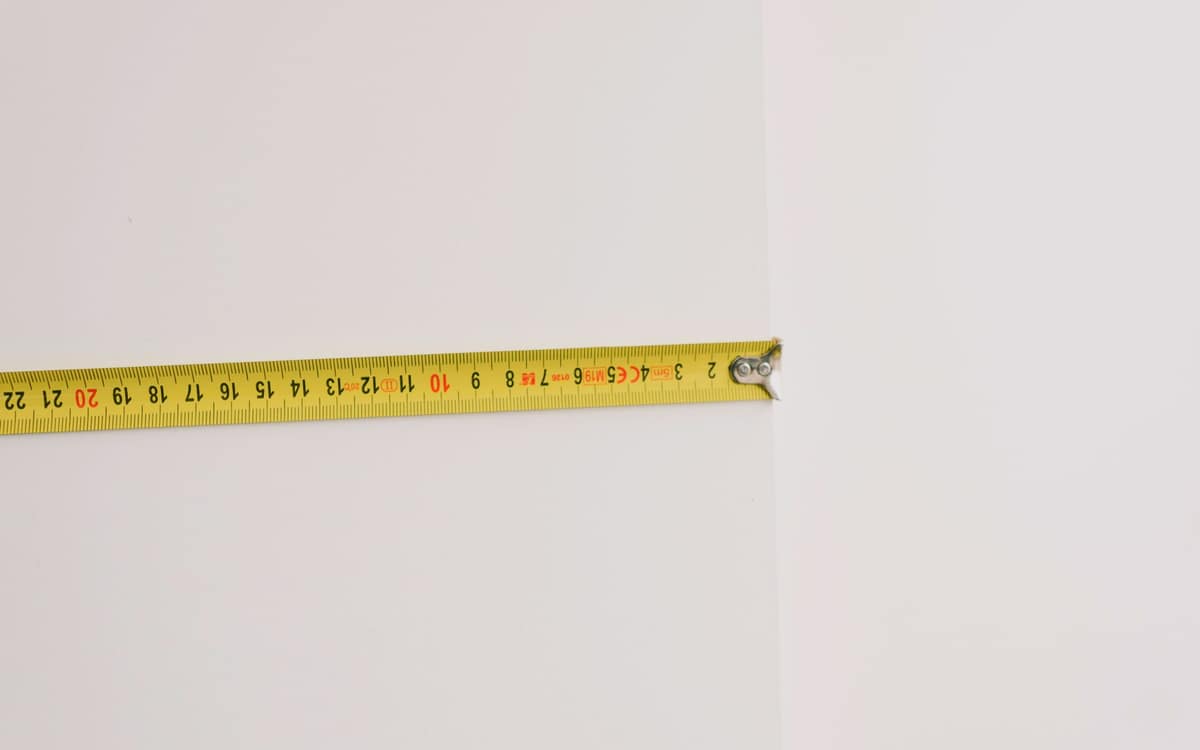
Adding three inches to a mattress is the most common reason a fitted sheet stops staying on, and a sheet that pops off at 4am undoes everything else you did. Measure your mattress height, add the topper, and buy deep-pocket sheets to match. Our sheets roundup flags which sets state a pocket depth.
Materials compared
Topper and pad materials by cooling mechanism. Our read of published construction, not a measurement.| Material | Mechanism | Pressure relief | Adds insulation | Typical price |
|---|
| Fiber pad (viscose or cotton face) | Less insulation than the alternatives | Minimal | Very little | $25-$70 |
| Natural latex, 2-3 in | Airflow — open cell, pin-cored | High | Some, but it breathes | $120-$330 |
| Egg-crate latex | Airflow — open channels | Moderate | Less than solid latex | $100-$180 |
| Phase-change pad | Absorbs heat until saturated | Minimal | Very little | $30-$60 |
| Ventilated gel memory foam, 3 in | Holes give convection a route | High | Yes, substantially | $40-$90 |
| Solid gel memory foam, 2 in | None meaningful | Low | Yes | $40-$60 |
| Waterproof protector | Neutral at best | None | A little | $20-$40 |
The honest summary
Most hot sleepers should buy a thin fiber pad, or nothing at all. If you need genuine pressure relief and you sleep hot, latex is the correct answer and it is expensive for real reasons rather than marketing ones. If you buy memory foam, buy it for the pressure relief and not because the listing says cooling.
And if what you actually need is more support rather than a different surface, a topper will not deliver it — that is a mattress question. See mattress vs topper for where that line sits.
Two buying situations change the answer completely. Under a heavier sleeper a soft topper bottoms out and adds insulation without adding support, so the shortlist narrows to dense latex or a thin flat pad — that is on cooling toppers for heavier sleepers. On an adjustable base a thick slab bridges the hinge and creeps towards the foot of the bed, so you want a fitted pad that flexes: cooling toppers for adjustable beds covers what anchors and what does not. If you want a pad that heats as well as cools, the trade-offs are on heated and cooling pads.