Bed fans vs water cooling pads
These are the two ways to actively cool a bed, and they work on opposite principles — one moves air, one moves heat — with very different price tags and results.
By Stephen V. · Specs last verified · Prices live as of October 25, 2026
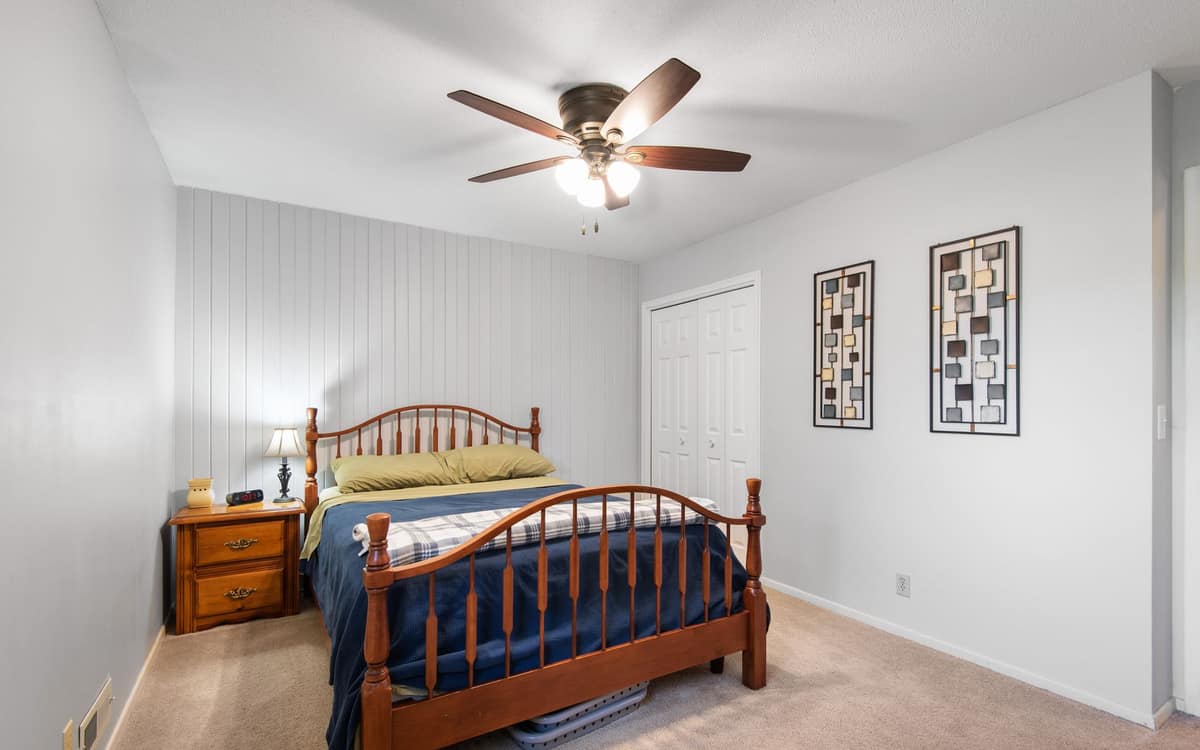
A bed fan is the cheap option: it pushes room air under your sheet and strips the warm, humid layer off your skin, but it can never make you cooler than the room itself. A water-cooling pad is the expensive option: it runs chilled water through a thin pad under your sheet and holds the surface below room temperature, which is the only way to truly cool a hot sleeper in a warm bedroom. Buy the fan first — it is cheap and it tells you quickly whether airflow is enough — and step up to a pad only if the fan helps but does not finish the job. Both are covered with specific picks on bed cooling systems.
Opposite principles: one moves air, one moves heat
These are the two ways to actively cool a bed, and they run on completely different physics.
A bed fancools by convection and evaporation. A unit at the foot or side of the bed blows room air into the space under your covers; moving air carries warm air off your skin and, more importantly, speeds the evaporation of sweat — the most powerful cooling process your body has. But a fan can only ever give you room air. Its ceiling is the temperature and humidity of the bedroom: in a cool, dry room it feels excellent, and in a hot, sticky one it just moves warm air over you.
A water-cooling padcools by conduction against something genuinely colder. A thin pad threaded with tubing sits under your fitted sheet, and a bedside unit circulates temperature-controlled water through it. Heat conducts out of you and into the water, which carries it away to the unit. Because that water is actively chilled, the surface can sit below room temperature — the one thing no fan and no passive product can do. You set a temperature and it holds it, humidity or not.
Cost, noise and the running reality
A fan is cheap to buy, has nothing to refill and nothing to leak, works with whatever bedding you already own, and makes a steady fan noise most people tune out. It is close to a fit-and-forget purchase.
A pad is a different commitment. It costs several times as much up front, it adds a pump you can hear, and it needs periodic water top-ups and occasional cleaning to keep the tubing clear. There is water and tubing in your bed, which some people never make peace with. Its waste heat also has to go somewhere — it is dumped into the room the unit sits in, so in a small closed bedroom you are partly relocating heat rather than removing it. A pad is equipment you maintain, not a thing you buy once.
Who each one suits
Buy a fan if your bedroom is reasonably cool and dry, if your budget is tight, or if you just want to learn whether airflow solves your problem before spending more. For a lot of hot sleepers it is genuinely enough.
Buy a padif your room is humid enough that evaporation is not available to you, if you want a set-it-and-hold-it temperature, or if you and a partner run at different temperatures — most pads offer independent control per side, which solves the mismatched-couple problem outright. You are paying for control the fan cannot offer, and accepting the maintenance that comes with it.
One thing they share is worth stating: neither cools the bedroom. A fan is bounded by the room, and a pad dumps the heat it pulls off you straight back into the same room. If the air around the bed is the real problem, both help you locally but the room itself still needs fixing.
| Bed fan | Water-cooling pad | |
|---|---|---|
| Cooling power | Bounded by room air | Below room temperature |
| Works in a humid room | Poorly | Yes |
| Cost | Cheap | Several times more |
| Noise | Fan noise | Pump noise |
| Effort | None — no refills | Water top-ups and cleaning |
| Per-side control | No | Usually |
Both of these are the active end of the category, and the question of whether you need the active end at all — where passive bedding stops working and how to tell you have reached it — is on active vs passive cooling.
Do the free things first
Before either powered gadget, fix the passive layers — a fan or a pad fighting a heat-trapping bed is a machine papering over a cheaper problem. Sheets in an open weave and a breathable topper solve overheating for most people who think they need hardware, at a fraction of the price and with no noise or maintenance at all. Work down the ladder first, and reach for a fan or a pad only once the cheap fixes have genuinely failed.
When you do, the honest order is fan then pad: the fan is cheap enough to be a test, and if its mechanism suits your room you may never need the pad. Whether the whole active-cooling category is worth it for you sits inside the broader question on are cooling mattresses worth it.
If you go the fan route, placement decides most of the outcome: a unit that cannot reach the top of your mattress stack is blowing air at the side of the bed, and a room fan has to get past your bedding before it reaches you at all. That, plus the ceiling fan direction most people have wrong, is on fan placement.
Common questions
Do bed fans actually cool you down?
Yes, within a limit. A bed fan blows room air under your covers, which strips the humid layer off your skin and speeds sweat evaporation, the most effective cooling your body has. But it can only ever give you room air, so in a hot or humid bedroom it moves warm air over you and achieves little.
Are water cooling pads worth it?
If a fan is not enough, yes. A water-cooling pad is the only bed product that holds the surface below room temperature, works regardless of humidity, and often controls each side of the bed separately. You pay for that with a higher price, pump noise, water top-ups and occasional cleaning, so it is worth it once cheaper fixes have failed.
What's cheaper, a bed fan or a cooling pad?
The bed fan, by a wide margin, both to buy and to run. It has nothing to refill and no maintenance. A water-cooling pad costs several times as much up front and adds ongoing upkeep, so start with the fan and step up only if it helps but does not finish the job.
Can these cool a hot bedroom without AC?
A water-cooling pad can keep the bed surface cool even when the room is warm, because it chills the water rather than relying on room air. A bed fan cannot, since it only moves the air you already have. Neither cools the room itself, and a water pad actually releases its waste heat back into the bedroom.
Read next
Try the cheap thing first
Work down this list in order. Each step costs more than the one above it, and most people stop before the bottom. Replacing a mattress to fix a problem your sheets were causing is the most expensive mistake in this category.
- 1Pillowcase, then pillowUnder $20 to start
- 2Sheets$25-$60
- 3Top layer$30-$90
- 4Topper or pad$30-$300
- 5The mattress$200-$900
Before any of it: work out which one is actually your problem. If your bedroom is 78°F, none of these will save you.