Thread count and cooling: the number to ignore
A higher thread count packs more yarn into the same square inch, which is the opposite of what a hot sleeper wants. The number sells sheets; it does not cool them.
By Stephen V. · Specs last verified · Prices live as of October 25, 2026
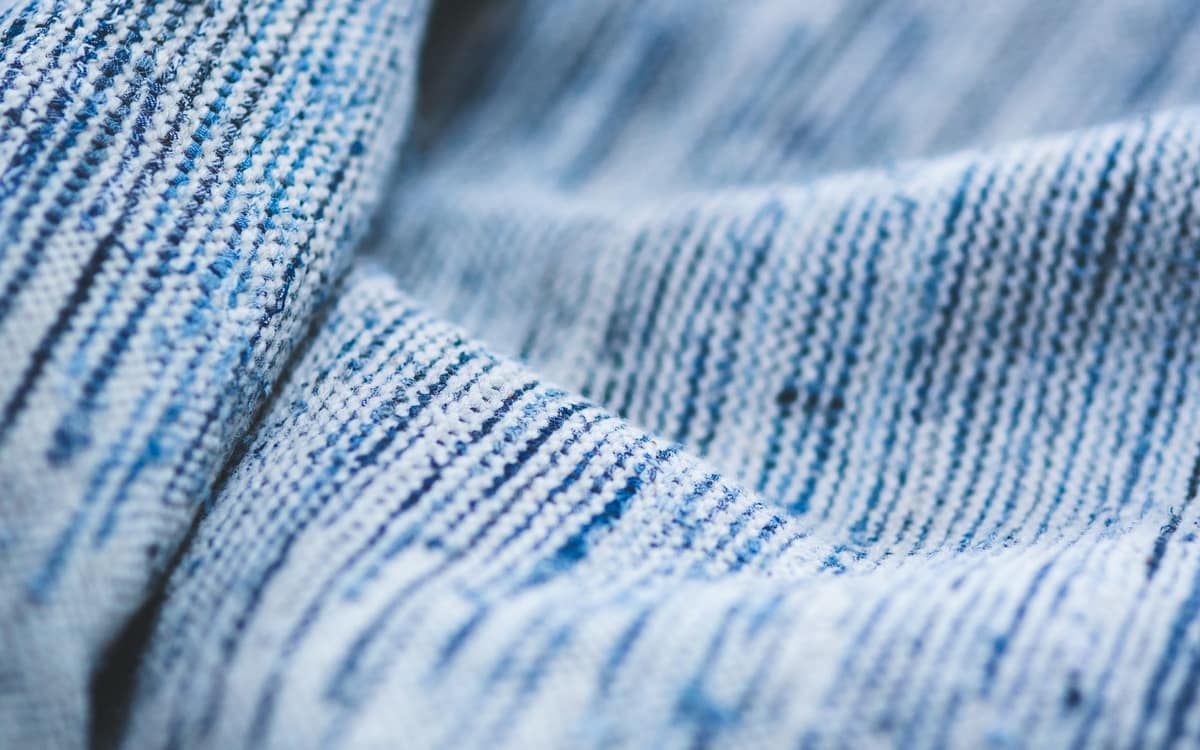
For cooling, ignore thread count. It measures how many yarns are packed into a square inch, so a higher number means a denser, warmer sheet with less airflow — the opposite of what a hot sleeper wants. Weave, fiber and yarn size predict how cool a sheet sleeps; thread count mostly predicts the price.
What thread count actually is
Thread count is the number of threads — warp plus weft — in a square inch of fabric. That is all it is. It became the headline spec because it is a single number that sounds like quality, and a single number is easy to put in large type on a package. It tells you almost nothing about how a sheet sleeps, and for temperature it points the wrong way.
More threads in the same square inch means the yarns are finer and packed tighter. Tighter packing means smaller gaps between yarns, which means less air moving through the fabric. A genuinely airy sheet — the kind that lets body heat escape — has a lowerthread count by construction. A crisp percale in the 200–300 range will out-cool a 1000-count sateen almost every time.
The number is also inflated on purpose
Even taken at face value, the figures on the package are frequently gamed. The honest way to count is one thread per yarn. The marketing way is to use multi-ply yarns — two, three or four thinner strands twisted together — and count each strand. A sheet made of four-ply yarn at a real 250 count gets advertised as “1000 thread count.”
The result is a sheet that is heavier, denser and warmer than its honest 250-count equivalent, sold at a premium on a number that describes the marketing department more than the fabric. Above roughly 400, treat the figure as decoration. Sheets marketed on 1000+ thread counts are, for a hot sleeper, a warning label.
What to read instead
Four specs actually predict whether a sheet sleeps cool, in rough order of usefulness:
- Weave.Percale (one over, one under) is the open, airy, cool weave. Sateen (four over, one under) is the smooth, warmer one. This single word matters more than any number — the full breakdown is on percale vs sateen.
- Fiber. Cotton and linen breathe and absorb; polyester and microfiber trap heat and sweat. See sheet materials.
- GSM (grams per square meter),where it is published. This is the weight of the fabric, and for linen and cotton a lighter GSM sleeps cooler. It is the honest version of the number thread count pretends to be — and it is published far less often, which tells you something.
- Yarn origin, briefly.Long-staple cotton (Egyptian, Supima, Pima) makes a smoother, stronger yarn, so it can be woven fine without multi-ply games. It is a quality signal — it is not, on its own, a cooling one.
| Spec | What it claims | What it means for heat |
|---|---|---|
| Thread count 200-400 | Mid quality | Fine — often the airy sweet spot in percale |
| Thread count 1000+ | Luxury | Warning — dense, likely multi-ply, warmer |
| Weave: percale | Crisp | Cooler — open structure, airflow |
| Weave: sateen | Silky | Warmer — tighter float, less airflow |
| GSM (low) | Lightweight | Cooler — genuinely useful when published |
| Egyptian / Supima cotton | Premium | Quality signal, not a cooling one |
The one-sentence rule
Buy on weave and fiber, treat any thread count over 400 as marketing, and be actively suspicious of the four-figure numbers. The sheet a hot sleeper wants is a crisp percale in a natural fiber at a modest, honest thread count — and it usually costs less than the “1000-count” set beside it on the shelf. Our full ranking is on the cooling sheets hub.
Common questions
Does higher thread count mean cooler sheets?
No — it means the opposite. A higher thread count packs more yarn into each square inch, leaving smaller gaps and less airflow, which makes the sheet warmer. For cooling, a lower-count crisp percale beats a high-count sateen almost every time.
What is a good thread count for cooling sheets?
Roughly 200 to 400 in a percale weave is the airy sweet spot. Above 400 the number stops describing anything useful for temperature, and four-figure counts are usually inflated with multi-ply yarn and are warmer, not better.
How do companies fake thread count?
By using multi-ply yarns and counting each strand. Two, three or four thin strands are twisted into one yarn, and each is counted separately, so a real 250-count sheet gets sold as 1000. The sheet ends up denser and warmer than its honest count would suggest.
What matters more than thread count for a cool sheet?
Weave and fiber, by a wide margin. A percale weave in cotton or linen sleeps cool regardless of the count; a tight sateen in polyester sleeps hot regardless of it. Where it is published, a low GSM is the honest weight figure worth reading.
Read next
- Cooling SheetsThe cheapest change that actually works. Weave and fiber decide everything.
- The best cooling sheet material for hot sleepersEvery common sheet fiber compared on how it moves heat and what it does with sweat.
- Percale vs sateen: which sheet sleeps coolerTwo weaves of the same fiber, with opposite thermal behavior. Which to buy and why.
Try the cheap thing first
Work down this list in order. Each step costs more than the one above it, and most people stop before the bottom. Replacing a mattress to fix a problem your sheets were causing is the most expensive mistake in this category.
- 1Pillowcase, then pillowUnder $20 to start
- 2Sheets$25-$60
- 3Top layer$30-$90
- 4Topper or pad$30-$300
- 5The mattress$200-$900
Before any of it: work out which one is actually your problem. If your bedroom is 78°F, none of these will save you.