Percale vs sateen: which sheet sleeps cooler
Both are cotton. The difference is the weave, and it is the single biggest factor in whether a cotton sheet sleeps hot.
By Stephen V. · Specs last verified · Prices live as of October 25, 2026
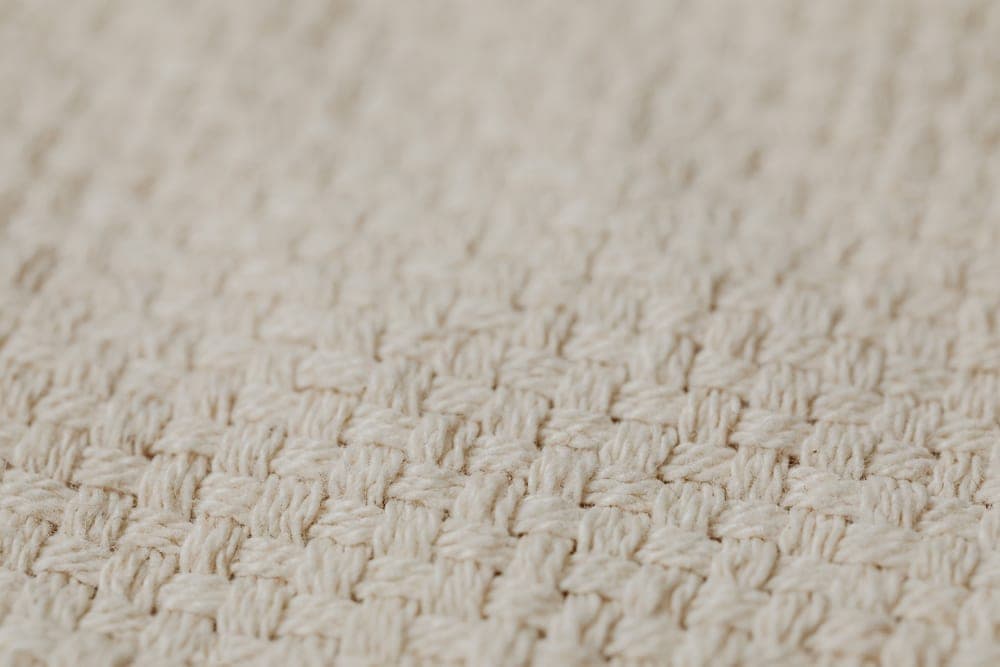
Percale sleeps cooler. It is a plain one-over-one-under weave, so the yarns cannot pack tightly and air moves through the gaps. Sateen floats four threads over one to produce a smooth face, which lets the yarns lie densely and blocks airflow. Percale feels crisp; sateen feels silky and sleeps warmer.
These are the two weaves almost all cotton bedding uses, and the choice between them matters far more than thread count, brand or price. If you are here from our cooling sheets roundup, this page is the reasoning behind why every top pick there is a percale.
What the two weaves actually are
Percaleis a plain weave. Each weft thread goes over one warp thread and under the next, alternating all the way across. Because every thread changes direction at every single crossing, the yarns are held apart from each other — they physically cannot lie flat and pack together. The result is a matte, crisp cloth with measurable open area between the yarns.
Sateen is a float weave, normally four over and one under. Long stretches of thread lie flat on the surface without interruption, which is what produces the sheen and the slippery hand. Those unbroken floats also let the yarns settle tightly against each other, which is why an equivalent sateen is denser than an equivalent percale.
Same fiber, same thread count, opposite structures. The thermal difference is geometry, not marketing.
Those long floats are also what a pet’s claws catch, which is why percale is our pick on sheets for a bed shared with a dog or cat. Silk charmeuse is the same float weave in a filament fiber, and silk vs cooling sheets explains why it inherits the same problem.
| Percale | Sateen | |
|---|---|---|
| Weave | Plain, one over one under | Float, typically four over one under |
| Surface | Matte | Lustrous, slightly shiny |
| Feel | Crisp, cool, hotel-like | Smooth, silky, drapes heavily |
| Airflow | Higher — open area between yarns | Lower — yarns pack densely |
| Best for | Hot sleepers, warm rooms | Cold rooms, people who like a silky hand |
| Wrinkling | Wrinkles readily | Resists wrinkles |
| Durability | Wears well; softens with washing | Floats can snag and pill over time |
| Typical thread count | 200-400 | 300-600 |
Why sateen is marketed as the premium option
Sateen photographs better, feels more luxurious in a shop, and supports a higher thread count without feeling stiff — all of which makes it easier to sell at a higher price. None of those properties has anything to do with sleeping temperature. A great deal of expensive bedding is sateen for precisely this reason, and a hot sleeper who upgrades from a cheap percale to an expensive sateen will usually sleep worse.
Which should you buy?
- You wake up hot: percale. This is not close.
- You wake up hot but hate crisp sheets:skip both and buy lyocell — smooth hand, good moisture handling. See our materials guide.
- You are always cold: sateen is genuinely nicer, and you can ignore everything above.
- You share a bed with someone who disagrees: percale plus a separate top layer each is the compromise that actually works. Our blankets hub covers the top-layer half.
One thing neither weave fixes
Percale is better than sateen at letting heat escape, but neither can remove heat from a warm room. If your bedroom is in the high seventies, the weave of your sheet is a rounding error — start with the room instead.
Weave is the lever people underrate, and color is the one they overrate. If your dark sheets sleep hot, the dye is almost never the reason: do dark sheets make you sleep hotter.
Common questions
Is percale cooler than sateen?
Yes. Percale's plain one-over-one weave holds the yarns apart and leaves open area for air to move through. Sateen's four-over-one float weave lets the yarns pack densely, which blocks airflow. With the same fiber and the same thread count, percale is the cooler cloth.
Does percale get softer over time?
Yes. Percale starts crisp and softens with repeated washing while keeping its structure, which is why hotels use it. That crispness is the first thing people notice and the main reason some prefer sateen.
What thread count should I look for in percale?
Between 200 and 400. Below 200 the cloth can feel thin and wear quickly; above 400 the density starts working against airflow, which defeats the point of choosing percale. Note that most cooling-sheet listings publish no thread count at all.
Is sateen the same as satin?
No, though the confusion is constant. Sateen is a float weave in a spun fiber, usually cotton. Satin is the same style of float weave in a filament fiber such as silk or polyester. Sateen sheets are cotton; a satin pillowcase on a marketplace is usually polyester.
Sources
Read next
- Cooling SheetsThe cheapest change that actually works. Weave and fiber decide everything.
- The best cooling sheet material for hot sleepersEvery common sheet fiber compared on how it moves heat and what it does with sweat.
- Do cooling sheets actually work?Which cooling claims survive a whole night, and which last ten minutes.
- Thread count and cooling: the number to ignoreWhy high thread count works against a hot sleeper, and what to read instead.
- The best percale sheets for hot sleepersCrisp, breathable percale sets ranked by how cool they actually sleep.
Try the cheap thing first
Work down this list in order. Each step costs more than the one above it, and most people stop before the bottom. Replacing a mattress to fix a problem your sheets were causing is the most expensive mistake in this category.
- 1Pillowcase, then pillowUnder $20 to start
- 2Sheets$25-$60
- 3Top layer$30-$90
- 4Topper or pad$30-$300
- 5The mattress$200-$900
Before any of it: work out which one is actually your problem. If your bedroom is 78°F, none of these will save you.