How cooling blankets work, and whether they do
A passive fabric cannot remove heat from your bed. It can only slow it down or move it a short distance. That single fact sorts this whole category.
By Stephen V. · Specs last verified · Prices live as of October 25, 2026
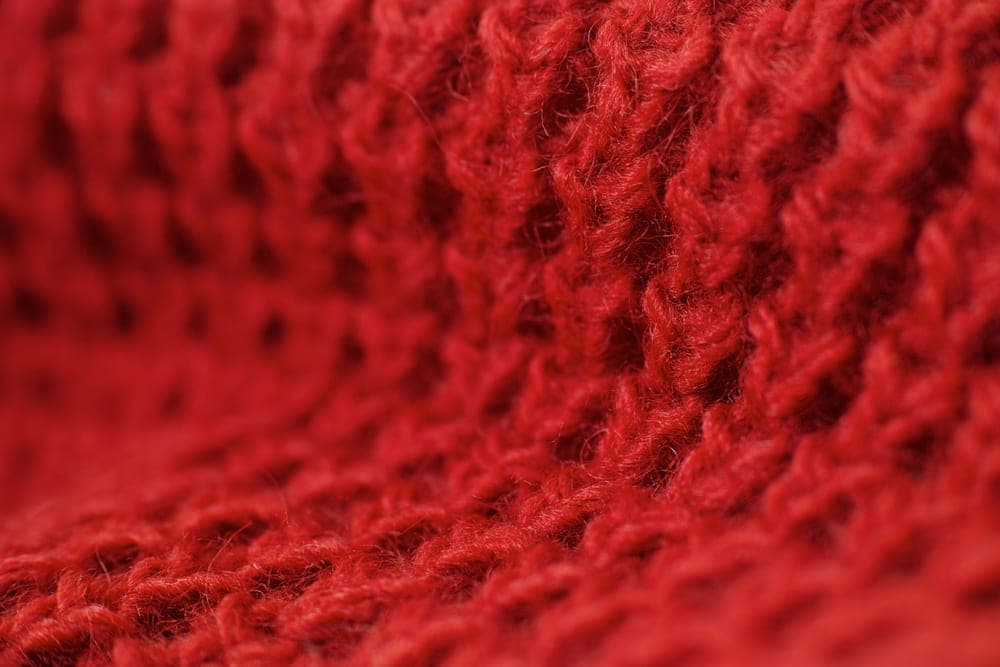
Open-weave blankets work all night because their structure lets air move and holds the fabric off your skin. Cold-touch blankets feel cool for a few minutes and then match your skin temperature, because a passive fabric has nowhere to put the heat it absorbs. Listings claiming a blanket absorbs heat all night are describing something impossible.
The rule that sorts the whole category
Heat flows from warmer to cooler and stops when they are equal. A blanket is a passive object with no power source and no connection to anything cooler than you. It can slow heat down, it can spread it out, it can get out of the way — but it cannot transport heat away from your bed, because there is nowhere for that heat to go.
That is why a listing saying a blanket “absorbs heat to keep you cool all night” is describing something physically impossible. It will absorb heat until it reaches your temperature. Then it stops. The only products on this site that genuinely remove heat from a bed are powered systems with a pump or a fan, and they cost accordingly.
Mechanism 1: open structure. Works all night.
A waffle weave, a cellular blanket or a loose open knit holds most of its own thickness as air rather than fiber, and holds itself off your skin. Warm humid air near you can move out through the structure by convection and be replaced. This does not saturate, does not wash out, and does not depend on a coating surviving.
It is also the oldest technology in this category by a century, which is why the best cooling blanket you can buy is frequently a plain cotton waffle blanket at $30.
Mechanism 2: cold-touch conduction. Works for minutes.
Slick nylon or specially finished fabrics with a high “Q-Max” value. Q-Max is a genuine standardized measurement of peak heat flux during the first moments of contact, so the cold sensation is real and comparable between products that publish it. Higher means colder to first touch.
What it measures is the first seconds. Once the fabric has warmed to your skin temperature there is no temperature difference left to drive conduction, and a passive nylon face has nothing behind it to carry the heat away. That takes minutes.
Cold-touch is not useless. Getting into bed on a cool surface genuinely helps you fall asleep on a hot night, and falling asleep is a real problem for a lot of people. The well-designed products acknowledge the limit in their own construction by giving you a second face to flip to. Pricing a five-minute effect as an all-night solution is the category's central dishonesty, and it is why we put a cold-touch blanket in the skip slot on our main roundup.
Mechanism 3: phase-change material. Works until it saturates.
A PCM layer stores energy by melting at a designed temperature rather than getting warmer. This is a step beyond simple conduction because the material genuinely holds a quantity of heat — it just holds a fixed quantity, equal to the PCM mass times its latent heat of fusion.
So the question that decides whether a PCM product buys you twenty minutes or three hours is how much PCM is in it, and no listing we have found publishes that mass. That absence is the finding. Treat PCM as a longer version of cold-touch rather than a different category.
Mechanism 4: moisture handling. Works, quietly.
A cotton or viscose blanket absorbs sweat; a nylon or polyester one does not. This gets almost no marketing attention because it produces no dramatic sensation when you lie down, and it is one of the more useful properties over a full night — particularly for anyone who sweats rather than merely feels warm.
| Listing says | Mechanism | Lasts all night? |
|---|---|---|
| Waffle, cellular, open weave, lightweight | Airflow | Yes |
| Cotton, bamboo viscose, lyocell | Absorbs sweat | Yes |
| Q-Max 0.4 / 0.5, ice silk, arc-chill, cool touch | Surface conduction | No — minutes |
| Phase change, PCM, 'absorbs body heat' | Latent heat, fixed capacity | Until saturated; mass never published |
| Dual-sided cooling | Conduction plus a flip | The flip is the honest part |
| Minky, fleece, sherpa, plush | None — it insulates | No |
The verdict
Buy an open-weave blanket in an absorbent fiber. It is cheaper than the engineered options, it works by a mechanism that cannot wear off, and it will still be doing the same thing in five years. Buy a cold-touch blanket only if your specific problem is getting to sleep, and buy a dual-sided one if you do, so you have somewhere to go when it saturates.
Common questions
How do cooling blankets work?
By one of three mechanisms. An open weave lets air move and holds the fabric off your skin, which works all night. A cold-touch surface conducts heat away quickly for the first few minutes and then stops. A phase-change layer absorbs a fixed quantity of heat by melting, and then behaves like ordinary fabric.
Do Q-Max cooling blankets actually work?
For a few minutes, genuinely. Q-Max is a real measurement of how much heat flows out of your skin in the first moments of contact. Conduction then stops once the fabric reaches your skin temperature, because a passive blanket has nowhere to put the heat. It helps you fall asleep and does nothing at 3am.
Can a blanket absorb body heat all night?
No. A passive object with no power source and no connection to anything cooler can only absorb heat until it reaches your temperature. Listings claiming otherwise are describing something fabric cannot do. Only a powered system with a pump or fan removes heat from a bed.
What is the best cooling blanket material?
Cotton in a waffle or cellular weave. The open structure means most of the blanket's thickness is air, so it holds itself off your skin and lets air move through, and the cotton absorbs sweat. It is usually cheaper than the engineered alternatives.
Sources
Read next
- Cooling BlanketsBlankets, comforters and duvet inserts. Loft is the variable, not the fabric.
- Do cooling sheets actually work?Which cooling claims survive a whole night, and which last ten minutes.
- Bed cooling systems: what actually removes heatPowered systems: the only category that removes heat instead of slowing it.
- Weighted blankets and heat: how to stay cool under oneWeight traps heat — the fill and cover choices that keep a weighted blanket cool.
Try the cheap thing first
Work down this list in order. Each step costs more than the one above it, and most people stop before the bottom. Replacing a mattress to fix a problem your sheets were causing is the most expensive mistake in this category.
- 1Pillowcase, then pillowUnder $20 to start
- 2Sheets$25-$60
- 3Top layer$30-$90
- 4Topper or pad$30-$300
- 5The mattress$200-$900
Before any of it: work out which one is actually your problem. If your bedroom is 78°F, none of these will save you.