Summer bedding: how to build the bed
Three thin layers beat one correct one, because three layers give you four states and you can change between them without waking up.
By Stephen V. · Specs last verified · Prices live as of October 25, 2026
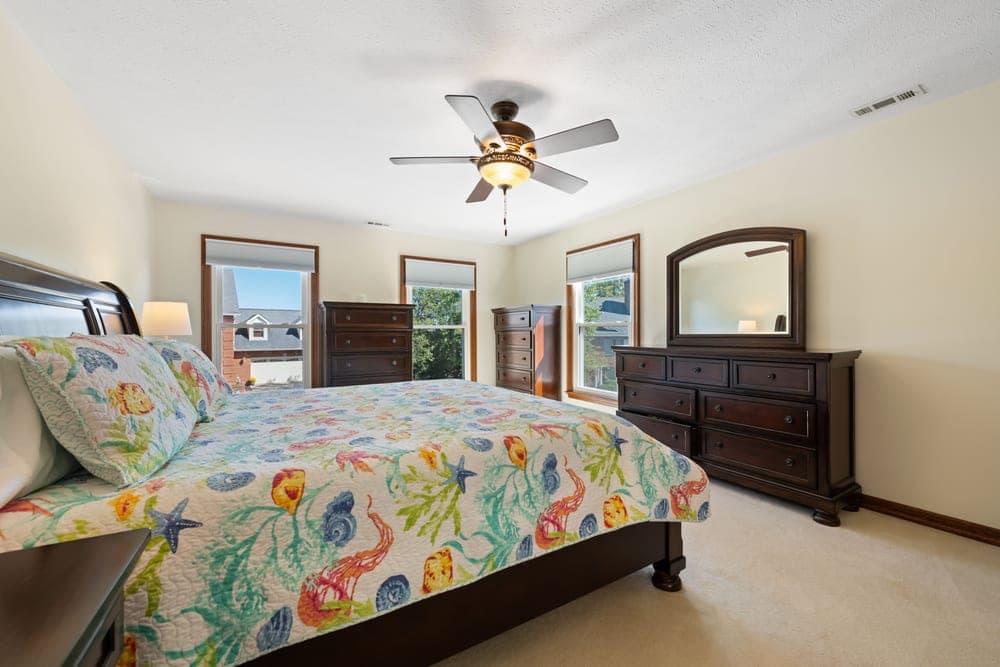
Build a summer bed in thin layers you can shed rather than one correct layer: an open-weave sheet, a cotton waffle blanket, and nothing else on the bed. Put the winter comforter away entirely. The complete setup costs around $70 and outperforms most single cooling comforters.
Layer 1: the fitted sheet and what is under it
Start at the mattress. If you have a foam mattress or a foam topper, a thin fiber pad between you and it changes the surface without adding a slab — see cooling mattress pads. If you have a waterproof protector on for no particular reason, take it off for the summer; a membrane you do not need is vapor resistance you did not have to accept.
The fitted sheet itself: percale, linen or lyocell. Check the pocket depth against your actual mattress height including any topper, because a fitted sheet that pops off at 4am undoes everything else.
Layer 2: the flat sheet, which is the layer that matters
A flat sheet is the one thing between you and the room for most of a summer night, and plenty of people have stopped using them. Put one back on. It is the layer you can pull up or push down without waking properly, and in an open weave it is genuinely enough covering for a hot night.
Same fabric rules as the fitted sheet: an open weave if you wake hot and dry, an absorbent fiber if you wake damp. Our sheets roundup covers the choice.
Layer 3: a waffle blanket, and nothing above it
This is the summer top layer. A cotton waffle blanket holds most of its own thickness as air, sits off your skin, absorbs sweat, and costs about $30. Used alone it is enough for a warm night and light enough that you will not throw it off.
The comforter goes in a bag in a cupboard until October. This is the single most effective change on the page and it costs nothing.
The pillow, which people forget
Your head produces the most heat per square inch of anywhere in the bed, and a winter pillow is as wrong in July as a winter comforter. A viscose or lyocell case is under $20 and it is the highest-value change available. If the fill itself has warmed through by 2am, that is a structural problem — see cooling pillows.
| Layer | Summer choice | Rough cost | Why |
|---|---|---|---|
| Mattress surface | Thin fiber pad, or nothing | $0-$40 | Changes the surface without adding a slab |
| Protector | Remove unless you need it | $0 | A membrane you do not need is vapor resistance for nothing |
| Fitted + flat sheet | Percale, linen or lyocell | $30-$60 | Open weave or absorbent fiber against your skin |
| Top layer | Cotton waffle blanket | $25-$40 | Mostly air; holds itself off you; washes easily |
| Comforter | Put it away | $0 | The most effective change on this page |
| Pillowcase | Viscose or lyocell | $15 | Highest heat flux area in the bed |
Two habits worth adopting
Strip the bed in the morning. Pull the covers back rather than making it immediately. Moisture that went into the mattress and pillow overnight needs somewhere to go, and a made bed traps it. It takes two seconds and it matters more in summer than at any other time.
Own two sets of everything. A damp sheet does not behave like the fabric you paid for. Being able to start every night on a genuinely dry set does more than upgrading from a good fabric to a slightly better one.
The room still comes first
None of this works in a 78°F bedroom, because every layer above depends on the room being somewhere cooler for heat to go. Read how to stay cool at night before spending anything — most of what is on that page is free.
The cheapest extra state of all is the one you may already own. A flat sheet turns a two-state bed into a four-state one, and it is the layer that keeps the duvet cover and insert out of the weekly wash — the case for and against is on do you need a top sheet.
Common questions
What bedding is best for summer?
An open-weave sheet in percale, linen or lyocell, a cotton waffle blanket as the only top layer, and the comforter put away entirely. Three thin layers give you more states to move between than one thick one, and you can change between them without properly waking up.
Should I use a comforter in summer?
Usually not. A comforter's warmth is its loft, and most people keep a winter-weight one on the bed in July out of habit. Taking it off is the single most effective change you can make to a summer bed, and it costs nothing.
Is a flat sheet worth using in summer?
Yes, and it is worth reinstating if you have stopped using one. A flat sheet is the layer you can pull up or push down without waking, and in an open weave it is genuinely enough covering for a warm night on its own.
How much does a good summer bed cost?
Around $70 to $115 for the whole setup: a percale or lyocell sheet set, a cotton waffle blanket, and a viscose pillowcase. That outperforms most single cooling comforters, which frequently cost more on their own.
Read next
- Cooling BlanketsBlankets, comforters and duvet inserts. Loft is the variable, not the fabric.
- Cooling SheetsThe cheapest change that actually works. Weave and fiber decide everything.
- How to stay cool while sleeping, without air conditioningRoom-level fixes, free first. Air movement, humidity and heat that arrived hours ago.
- How warm should a duvet be for a hot sleeper?Decode tog and fill weight, and buy a genuinely cool summer duvet.
- The best waffle weave blankets for hot sleepersAiry cotton waffle blankets that beat cold-touch fabrics, ranked.
Try the cheap thing first
Work down this list in order. Each step costs more than the one above it, and most people stop before the bottom. Replacing a mattress to fix a problem your sheets were causing is the most expensive mistake in this category.
- 1Pillowcase, then pillowUnder $20 to start
- 2Sheets$25-$60
- 3Top layer$30-$90
- 4Topper or pad$30-$300
- 5The mattress$200-$900
Before any of it: work out which one is actually your problem. If your bedroom is 78°F, none of these will save you.