The best cooling mattress topper for side sleepers
Side sleeping needs contour. Contour usually means foam. Foam means heat. Here is the way out of that triangle.
By Stephen V. · Specs last verified · Prices live as of October 25, 2026
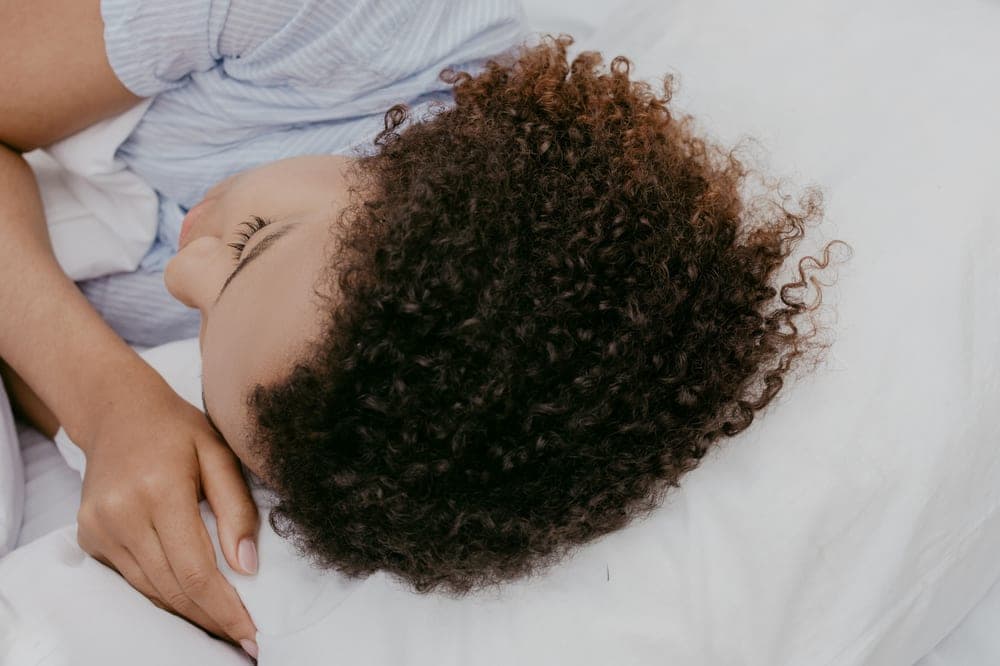
Side sleepers need a topper that contours, and contour normally means memory foam, which sleeps hot. Natural latex is the way out: it gives real pressure relief at the hip and shoulder while staying open-celled and pin-cored, so air still moves through it. A thin fiber pad will not provide enough give.
This page exists because side sleepers face a genuine conflict that back and stomach sleepers do not, and the usual cooling advice — buy less material — makes their other problem worse.
Why side sleeping is different
Lying on your side puts most of your body weight through two relatively small, relatively bony areas: the hip and the shoulder. Pressure per square inch at those points is far higher than anywhere your back contacts a mattress. A surface that does not yield enough concentrates that pressure until you wake up and roll over, which is why side sleepers on firm beds report shoulder and hip pain rather than back pain.
The fix is a surface that lets the hip and shoulder sink while still supporting the waist. That is contour, and it needs a couple of inches of yielding material. So the “buy the thinnest layer possible” rule that works for most hot sleepers is not available to you.
The same conflict shows up in everything else a side sleeper adds to the bed. A pillow needs the most loft of any sleeping position, and a body pillow — which a lot of side sleepers use for exactly the hip alignment described above — is the largest single addition of bedding contact available. If you use one, the picks that cost you the least heat are on cooling body pillows.
Why latex resolves it
Latex is elastic rather than viscoelastic. Under the hip it compresses proportionally to the load and pushes back immediately; when you move, it returns instantly. That gives you the deep compression side sleeping needs without the progressive envelopment memory foam produces, where the hollow deepens the longer you lie still.
On top of that, the material itself is open-celled and pin-cored, so it has a convection path that solid foam does not. You are getting contour from a material that is structurally full of air. That combination is the whole reason latex costs what it does, and for a hot side sleeper it is the one purchase on this site where we would say the expensive option is genuinely the right one.
Firmness: softer than you think, thicker than you think
Two rules that trip people up:
- Choose soft or medium, not firm. A firm topper on a firm mattress gives you a firm bed with a thicker layer of insulation and no benefit. The point is the give.
- Three inches, not two. Two inches of latex over a firm mattress will compress fully at the hip and you will feel the mattress through it. Three is the usual minimum for a side sleeper on a firm base.
And measure before you order. Three inches added to a twelve-inch mattress needs a fitted sheet rated to sixteen inches or more, which our sheets roundup flags where the listing states it.
If latex is out of budget
Two honest options, in order:
- Egg-crate latex. Roughly half the price of a solid slab because the convoluted profile uses less material, and the channels add surface airflow. It compresses faster than a solid slab under a heavier sleeper, which is the trade.
- Ventilated gel memory foam, three inches, and compensate elsewhere. You will get the contour. You will also get the heat, so pair it with a percale or linen sheet, a light top layer, and ideally air movement. Going in knowing that is better than being surprised in August.
Do not forget the pillow
Side sleeping puts the largest gap between your head and the mattress of any position, which means you need the most pillow loft — and a tall pillow is a lot of material right next to the hottest part of you. Shredded fill or contoured latex handles that far better than a solid block. See cooling pillows for side sleepers.
Side sleepers are also the group most likely to be shopping because the bed itself is too hard rather than too hot. The constructions that add give without adding much insulation are ranked on cooling toppers for a too-firm mattress.
Common questions
What is the best cooling mattress topper for side sleepers?
Natural latex in a soft or medium firmness, three inches thick. It gives the hip and shoulder pressure relief side sleeping needs, while staying open-celled and pin-cored so air can still move through it. Thin fiber pads do not provide enough give for a side sleeper.
How thick should a topper be for a side sleeper?
Three inches over a firm mattress. Two inches will compress fully under the hip and you will feel the mattress underneath, which defeats the purpose. Remember to check your fitted sheet's pocket depth against the new total height.
Should a side sleeper choose a soft or firm topper?
Soft or medium. A firm topper on a firm mattress just adds a layer of insulation without adding give, and give is the entire reason a side sleeper wants a topper.
Can side sleepers use a thin cooling pad instead?
Only if the mattress already has the right amount of give and you simply want to change the surface. A pad adds under an inch of fiber, which will not relieve pressure at the hip or shoulder.
Read next
- Cooling Mattress ToppersToppers, pads and protectors — three different products people buy interchangeably.
- Cooling topper materials: gel foam vs latex vs fiberGel foam, latex, PCM and fiber — what each one physically does with your body heat.
- The best cooling pillow for side sleepersSide sleepers need the most loft, and loft is insulation. The way around it.
- A cooling topper that also helps your backFirm, spine-supporting cooling without the heat-trapping plush foam.
- Cooling mattress toppers for couplesGive each side of the bed its own feel and temperature without a new mattress.
Try the cheap thing first
Work down this list in order. Each step costs more than the one above it, and most people stop before the bottom. Replacing a mattress to fix a problem your sheets were causing is the most expensive mistake in this category.
- 1Pillowcase, then pillowUnder $20 to start
- 2Sheets$25-$60
- 3Top layer$30-$90
- 4Topper or pad$30-$300
- 5The mattress$200-$900
Before any of it: work out which one is actually your problem. If your bedroom is 78°F, none of these will save you.