Cooling mattresses for side sleepers
Side sleeping needs give at the shoulder and hip, and give usually means heat-trapping foam. The trick is getting the contour from a layer that still breathes.
By Stephen V. · Specs last verified · Prices live as of October 25, 2026
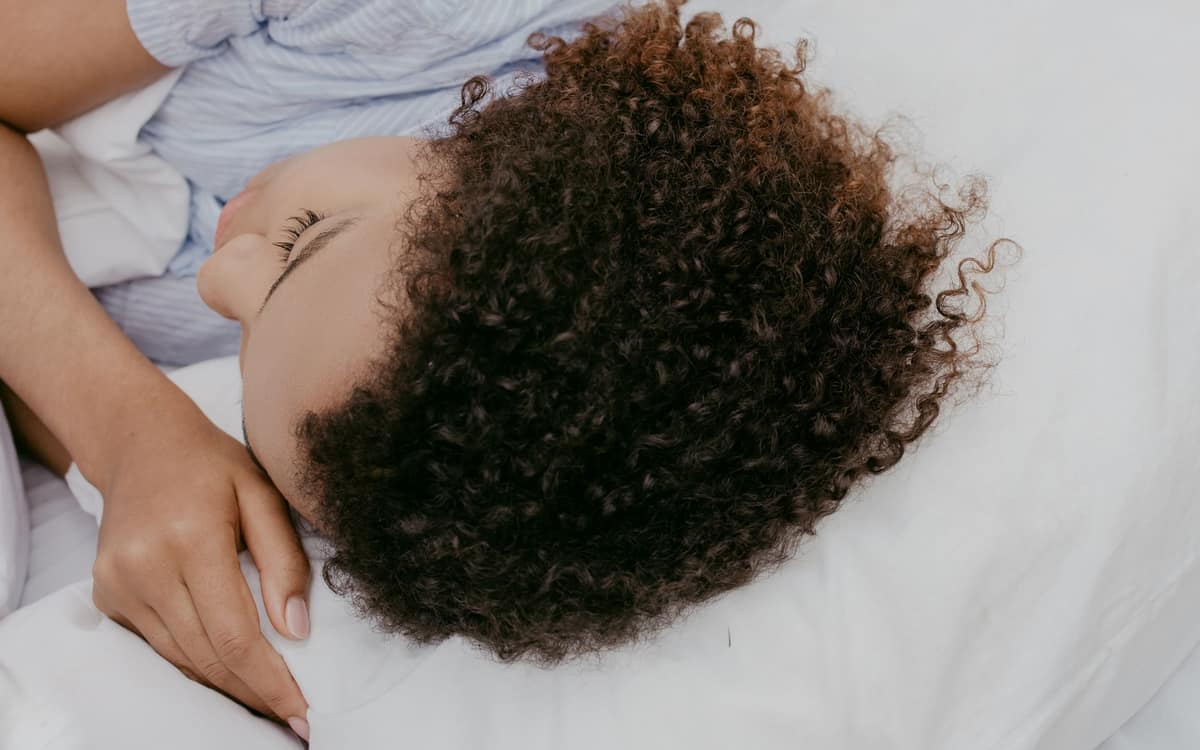
Side sleepers should target a medium to medium-soft feel with a comfort layer that contours without trapping heat — in practice, a hybrid with a latex or thin gel layer over coils. You need give at the shoulder and hip for pressure relief, and give usually comes from heat-trapping memory foam; the fix is to get the contour from an open-celled layer that still breathes, sitting on a coil core that moves air underneath.
The side-sleeper conflict
Side sleeping puts your whole weight onto two narrow points — the shoulder and the hip — so you need a surface that gives there, letting those joints sink far enough to keep your spine straight. That contour is what prevents the pressure points, the numb arm and the tossing. The problem is that the material best at deep contour is memory foam, and memory foam is the material worst at heat: it softens around you, maximizes the contact area and gives air nowhere to go. So the very softness a side sleeper needs is usually the thing making the bed hot. Squaring that circle is the whole job.
The firmness to target
Aim for medium to medium-soft. Too firm and the surface will not yield at the shoulder and hip, so your weight concentrates on those points and you wake up sore — a firm bed is a back- or stomach-sleeper's friend and a side sleeper's enemy. Too soft and you sink in bodily, which wraps more of you in surface material and overheats you, and lets your hips drop out of line. Medium-soft is the narrow band that gives at the joints without swallowing you, and it is the target whether you buy a new bed or modify the one you own.
Bodyweight shifts that target. A lighter side sleeper does not press far into a mattress, so a bed that measures medium-firm can feel just right, while a heavier side sleeper compresses the comfort layer further and usually wants the softer end of the band to avoid bottoming out onto the firm core. Buy for how far you sink, not for the label on the box.
The cooling answer: contour from a layer that breathes
The construction that resolves the conflict is a hybrid with a latex or thin gel comfort layer over a pocket-coil core. The coils move air under you and add support and edge; the comfort layer does the contouring. What that layer is made of is the whole game: keep it latex or a thin, responsive gel foam rather than a deep memory-foam pillow-top, because a thick plush foam layer contours beautifully and undoes the coils' cooling — the trap covered on hybrid vs foam. Our hybrid picks, including the latex-topped one, are on the best cooling hybrids.
Why latex squares the circle
Latex is the rare material that contours without trapping heat. It is elastic rather than viscoelastic, so it compresses under your shoulder and hip and pushes straight back instead of melting into a deepening hollow, and it is open-celled and pin-cored, so air moves through it. That combination — give at the joints, no heat-softened pocket — is exactly what a hot side sleeper wants, and it is why a latex-over-coils bed is the premium answer here.
The cheaper route: a topper on a too-firm bed
If your current mattress is supportive but simply too firm for your side — you wake with a sore shoulder or hip, but the bed does not sag — you may not need a new mattress at all. A latex topper adds medium-soft give at the surface while keeping the airflow, for a fraction of the price of a bed. It only works if the structure underneath is still sound; if the mattress sags or you wake with back pain, that is a core failure a topper will simply follow. The test for which problem you have is on mattress vs topper, and the side-sleeper topper options are on latex toppers for side sleepers.
Do not forget the pillow
Loft matters more for a side sleeper than for anyone else. On your side the gap between your ear and the mattress is as wide as your shoulder, so a thin pillow drops your head and a thick one cricks your neck up — and the wrong pillow can undo a correctly chosen mattress. Sort the loft and fill at the same time you sort the bed: the options are on cooling pillows for side sleepers.
| Firmness | Side-sleeper fit | Heat |
|---|---|---|
| Firm | Poor — pressure at shoulder and hip | Coolest — you rest on top |
| Medium-firm | Workable with a soft topper | Cool |
| Medium to medium-soft | Best — gives at the joints, spine stays aligned | Depends on the material |
| Soft | Sinks the hips out of line | Warmest — you are wrapped in surface |
The other two positions pull in different directions, and it is worth knowing which one you actually are before you buy. Stomach sleepers need the firmest surface here and have the largest area of skin against the mattress of anyone, which makes them the hottest case: cooling mattresses for stomach sleepers. And if back pain is what sent you shopping, the firmness evidence is on cooling mattresses for back pain.
Common questions
What firmness is best for side sleepers who sleep hot?
Medium to medium-soft. It gives enough at the shoulder and hip to keep your spine aligned without letting you sink in bodily. Too firm concentrates pressure on those joints; too soft wraps more of you in surface material and overheats you while dropping your hips out of line.
Do side sleepers need foam or hybrid?
A hybrid, if heat is a concern. Side sleepers need a contouring surface, and memory foam contours well but sleeps hot. A hybrid with a latex or thin gel comfort layer over coils gives you the give at the shoulder and hip while the coil core moves air underneath, so you get contour and cooling from one bed.
Can a topper make a firm bed work for side sleeping?
Yes, if the bed is supportive but simply too firm. A latex topper adds medium-soft give at the surface while keeping airflow, for a fraction of a mattress's price. It only works when the structure underneath is sound; if the bed sags or you wake with back pain, that is a core failure a topper cannot fix.
Why do side sleepers sleep hotter?
Because they need a softer, contouring surface, and contour usually comes from memory foam that wraps around the shoulder and hip and traps heat. The more the surface conforms to hold those joints, the more skin it covers and the less air can move, so the pressure relief and the heat come from the same property.
Read next
Try the cheap thing first
Work down this list in order. Each step costs more than the one above it, and most people stop before the bottom. Replacing a mattress to fix a problem your sheets were causing is the most expensive mistake in this category.
- 1Pillowcase, then pillowUnder $20 to start
- 2Sheets$25-$60
- 3Top layer$30-$90
- 4Topper or pad$30-$300
- 5The mattress$200-$900
Before any of it: work out which one is actually your problem. If your bedroom is 78°F, none of these will save you.