How to wash cooling sheets without ruining them
The thing that makes a sheet cool is the same thing fabric softener coats over and hot water breaks down. Most sheets that 'stopped cooling' were washed to death.
By Stephen V. · Specs last verified · Prices live as of October 25, 2026
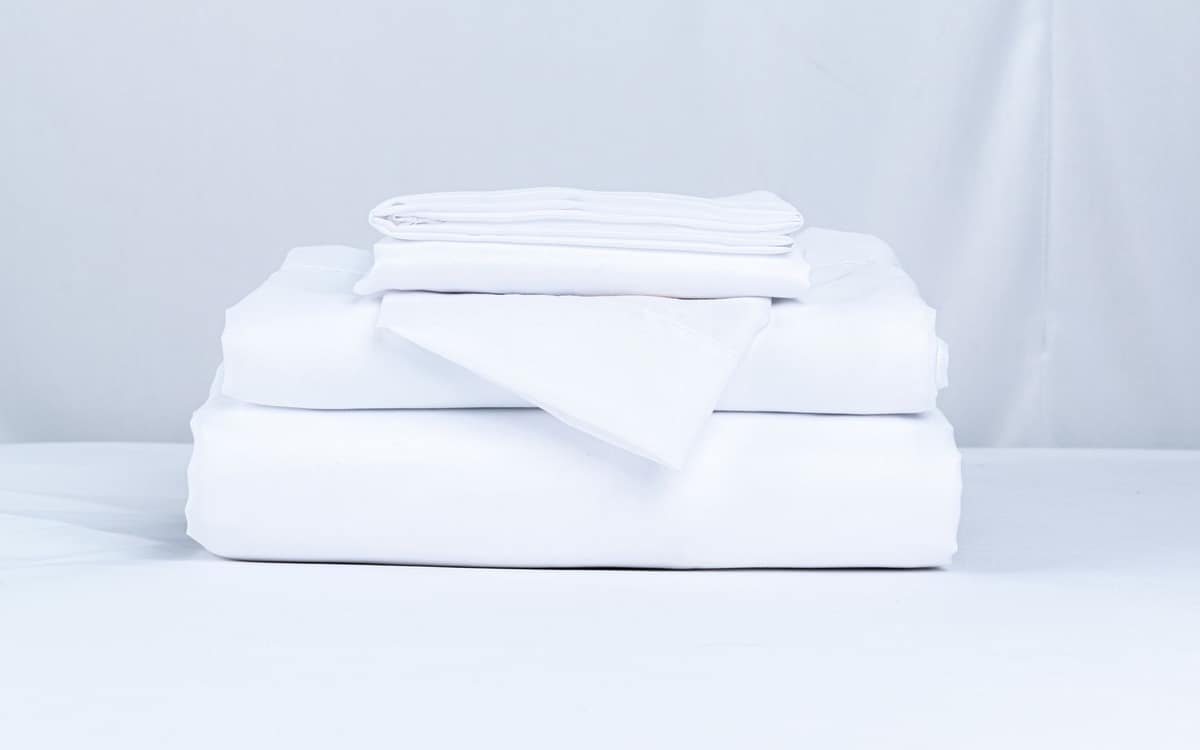
Wash cooling sheets in cold or warm water, never hot; skip fabric softener and dryer sheets entirely; and tumble dry on low or line dry. Softener leaves a waxy coating that blocks the moisture-wicking you paid for, and heat breaks down natural fibers and the finish on engineered ones. Most sheets that “stopped cooling” were washed wrong, not worn out.
Why care matters more on a cooling sheet than a normal one
A cooling sheet works by one of two delicate mechanisms: an open weave that lets air through, or a fiber that pulls moisture off your skin. Both are easy to wreck in the laundry. Fabric softener coats fibers in a thin hydrophobic film — the “soft” feel is literally a water-repelling layer — which is precisely the wrong thing to do to a sheet whose job is to absorb sweat. Hot water and high dryer heat break down cellulose and shrink weaves tighter. Do all three for a year and even a good sheet feels like polyester.
The routine, fabric by fabric
Bamboo viscose and lyocell. The most fragile of the group. Wash cold on a gentle cycle, no softener, and dry on low or hang. Regenerated cellulose is weaker when wet and intolerant of heat, so a hot wash or a hot dryer is what makes budget bamboo pill and thin. Wash it kindly and it lasts years longer.
Linen.The most forgiving. It actually softens with washing, so cold or warm water and a low tumble are all it needs; a little dampness out of the dryer helps it hang without ironing. Never needs softener — the softness comes from the fiber breaking in, not from a coating.
Cotton percale. Robust, but the crispness that makes it cool is a finish that hot water and over-drying dull. Warm wash, low dry, take it out slightly damp. It will wrinkle; that is percale being percale, not a fault.
Cooling synthetics (CoolMax, brushed microfiber).The cooling is a surface finish, and heat is its enemy more than anyone’s. Cold wash, no softener, low or no heat in the dryer. High heat can permanently flatten the finish.
| Fabric | Water | Dryer | Softener |
|---|---|---|---|
| Bamboo viscose / lyocell | Cold, gentle | Low or line dry | Never |
| Linen | Cold or warm | Low, remove damp | Never |
| Cotton percale | Warm | Low, remove damp | Never |
| Cooling synthetic | Cold | Low or no heat | Never |
The universal rules
- No fabric softener, ever. This is the single most important line on the page. It undoes the wicking on every fabric above. If your sheets feel like they lost their cool, softener is the first suspect.
- No dryer sheets. Same coating, delivered in the dryer instead of the wash. A wool dryer ball does the anti-static job without the film.
- Wash before first use. New sheets often carry a sizing finish that sits on top of the fiber. One wash removes it and lets the fabric actually breathe.
- Do not overload the machine. Sheets need room to move for detergent to rinse out fully. Detergent residue is a milder version of the softener problem.
- Strip the bed to air in the morning. Not a laundry step, but the same idea: moisture that went into the sheet overnight needs somewhere to go before you make the bed. More on that in the night-sweats guide.
When a sheet really is done
Care buys years, not immortality. A regenerated-cellulose sheet that has thinned to the point of transparency, or a percale whose weave has closed up and gone limp, is genuinely finished — no wash routine brings it back. The tell is that it stopped feeling cooland stopped feeling substantial at the same time. Owning two sets, as the hub recommends, means you notice this gradually rather than on the one hot night you needed the sheet to work.
Washing is also what eventually finishes a sheet set off, and the end comes in four specific ways you can check in ten seconds. The tests are on how often to replace your sheets.
Common questions
Why did my cooling sheets stop feeling cool?
Almost always fabric softener or dryer sheets. Both leave a thin water-repelling coating on the fibers, which blocks the moisture-wicking that made the sheet feel cool. Hot washing and high dryer heat also break down the weave and fibers over time. Stopping softener and heat usually restores most of the feel.
Can you use fabric softener on cooling sheets?
No. Softener works by coating fibers in a hydrophobic film, which is the opposite of what a moisture-wicking cooling sheet needs. It is the most common reason cooling sheets stop performing. Use a wool dryer ball for softness and static instead.
Should you wash cooling sheets in hot or cold water?
Cold or warm, never hot. Hot water breaks down natural fibers, shrinks and tightens weaves, and damages the surface finish on cooling synthetics. Cold water cleans sheets perfectly well with a normal detergent and preserves the properties you bought them for.
How often should you wash cooling sheets?
About once a week for most people, and more often if you sweat heavily at night. Owning two sets makes this easy and means you always start on a dry sheet, which matters as much for staying cool as the fabric itself does.
Read next
- Cooling SheetsThe cheapest change that actually works. Weave and fiber decide everything.
- The best bamboo cooling sheetsBamboo viscose vs lyocell, ranked — and who each weave is actually for.
- The best cooling sheets for night sweatsSweat needs absorbency and drying speed, which is a different spec from airflow.
- Deep pocket cooling sheets for thick mattresses and toppersMeasure your mattress-plus-topper stack and buy a sheet that stays put.
Try the cheap thing first
Work down this list in order. Each step costs more than the one above it, and most people stop before the bottom. Replacing a mattress to fix a problem your sheets were causing is the most expensive mistake in this category.
- 1Pillowcase, then pillowUnder $20 to start
- 2Sheets$25-$60
- 3Top layer$30-$90
- 4Topper or pad$30-$300
- 5The mattress$200-$900
Before any of it: work out which one is actually your problem. If your bedroom is 78°F, none of these will save you.