The best bedroom temperature for sleep
Almost every product on this site depends on one thing being true: that the room is cooler than you are. Set the room right first, because it is where heat has to go — and it is nearly free.
By Stephen V. · Specs last verified · Prices live as of October 25, 2026
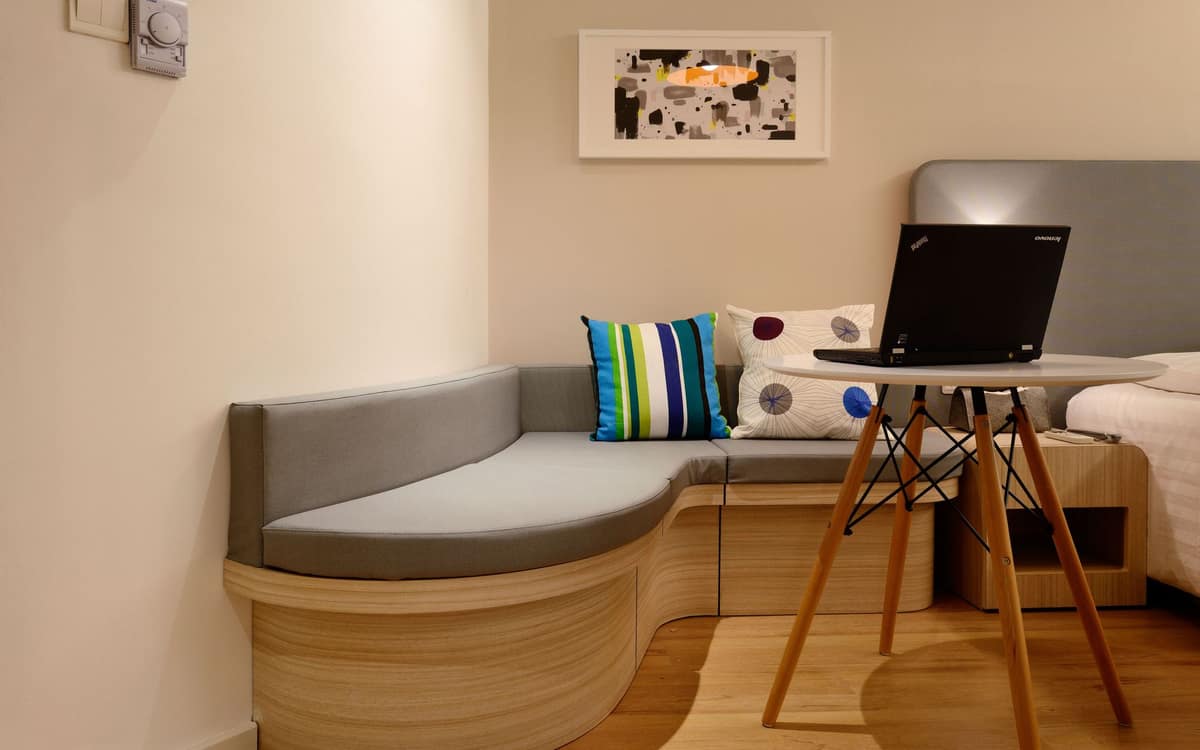
For most adults the best sleeping temperature is roughly 65 to 68°F (18 to 20°C). A cooler room helps because your core body temperature has to drop about a degree to fall asleep, and a warm room fights that drop. Set the room first: every cooling sheet, topper and pillow works by moving heat into the room, so if the room is warm they have nowhere to move it.
Why a cooler room, specifically
Falling asleep is not just a mental switch; it is a physiological one, and part of it is thermal. In the evening your body starts shedding heat from its core — that is why your hands and feet get warm, they are the radiators — and your core temperature drops by around a degree as you fall asleep and stays down through the night. A warm bedroom slows that drop, which is why a hot room makes you toss at the start of the night and wake in the small hours when your temperature is meant to be at its lowest.
A cooler room helps that natural cooling happen. The commonly cited range from sleep research is about 65 to 68°F for adults, a little warmer for infants. It is a range, not a magic number — your ideal depends on your bedding, your metabolism and what you wear — but if your room is in the mid-70s at night, that is a likely cause of the problem on its own.
For a child’s room the figure most often quoted comes from a different source and sits lower than you might expect, and the check that matters is physical rather than numerical — feel the chest, not the hands. Both are on kids and toddlers who sleep hot, along with the safe-sleep rule that governs what may be in the bed at all under 12 months.
The reason this page comes first
Here is the argument that runs through this whole site. Every passive cooling product — a sheet, a topper, a pillow, a blanket — works by moving heat from you to somewhere cooler, and the somewhere is the air in your room. If the room is 78°F, there is nowhere cooler for the heat to go, and the best percale sheets on earth cannot rescue the night. You would be trying to pour water uphill.
So the room is not one option among many; it is the precondition for all the others. It is also usually the cheapest thing to fix — much of it is free. That is why our what to fix first ladder starts here, before any purchase.
| Room temperature | Effect on sleep |
|---|---|
| Below 60F | Usually too cold — disrupts sleep differently |
| 65-68F | The target range for most adults |
| 69-72F | Acceptable with light, breathable bedding |
| 73-75F | Warm — bedding has to work hard |
| 76F and up | Too warm — no passive bedding fully compensates |
Getting the room there without a big AC bill
You do not need to refrigerate the house. Most of what works is cheap or free, and it is covered in detail on how to stay cool at night; the essentials:
- Move air. A fan does not lower the temperature, but moving air over skin speeds evaporation and feels several degrees cooler, and it keeps the humid layer from settling on you.
- Manage the day's heat. Close blinds against the sun during the day so the room does not bake, then open windows once the outside air drops below the inside air in the evening. Cross-ventilation beats a single open window.
- Lower the humidity. Sweat cools you only when it evaporates, and it cannot evaporate into already-damp air. In a humid climate a dehumidifier can do more for sleep than a couple of degrees off the thermostat.
- Target the person, not the building. If cooling the whole room is expensive, cool the bed: a fan aimed at you, or a powered bed cooling system, uses a fraction of the energy of air-conditioning a room.
Then, and only then, the bed
Once the room is in a sane range, the bedding starts to matter and the products on this site start to earn their keep. In the right order: breathable sheets, then a cooling topper or pillow, then, last and only if needed, the mattress. Fix the room first and you may find you need far less of the rest than you thought.
Your own temperature follows the same kind of curve, and it bottoms out in the small hours — which is why overheating so often lands at the same time every night: why you wake up hot in the middle of the night.
Common questions
What is the best temperature for sleep?
For most adults, roughly 65 to 68F (18 to 20C). Your core temperature needs to drop about a degree to fall asleep, and a cooler room helps that happen, while a warm room fights it. It is a range rather than a fixed number, and it shifts with your bedding and metabolism.
Why can't I sleep when my room is hot?
Because falling asleep requires your core body temperature to drop by around a degree, and a warm room slows that drop. It also means you wake in the early hours, when your temperature is supposed to be at its lowest. A hot bedroom is one of the most common causes of overheating at night.
Should I fix the room or buy cooling bedding first?
Fix the room first. Every passive cooling product works by moving heat from you into the surrounding air, so if the room is warm there is nowhere for the heat to go and the bedding cannot fully compensate. Cooling the room is also usually the cheapest fix, much of it free.
How do I cool my bedroom without air conditioning?
Move air with a fan, close blinds against the daytime sun and open windows once the evening air is cooler, lower humidity with a dehumidifier in damp climates, and consider cooling the bed rather than the whole room with a fan or a powered bed system, which uses far less energy.
Sources
Read next
- Sleeping HotWhy you overheat at night, and what to fix first — cheapest change before most expensive.
- How to stay cool while sleeping, without air conditioningRoom-level fixes, free first. Air movement, humidity and heat that arrived hours ago.
- How to stop sleeping hot: what to fix firstThe decision guide. Five steps in cost order, and how to know when to stop.
Try the cheap thing first
Work down this list in order. Each step costs more than the one above it, and most people stop before the bottom. Replacing a mattress to fix a problem your sheets were causing is the most expensive mistake in this category.
- 1Pillowcase, then pillowUnder $20 to start
- 2Sheets$25-$60
- 3Top layer$30-$90
- 4Topper or pad$30-$300
- 5The mattress$200-$900
Before any of it: work out which one is actually your problem. If your bedroom is 78°F, none of these will save you.