Sleeping with a partner who runs a different temperature
You do not have opposite tastes; you have opposite requirements and one shared bed. Stop looking for the compromise that satisfies both of you — it does not exist. Split the variables instead.
By Stephen V. · Specs last verified · Prices live as of October 25, 2026
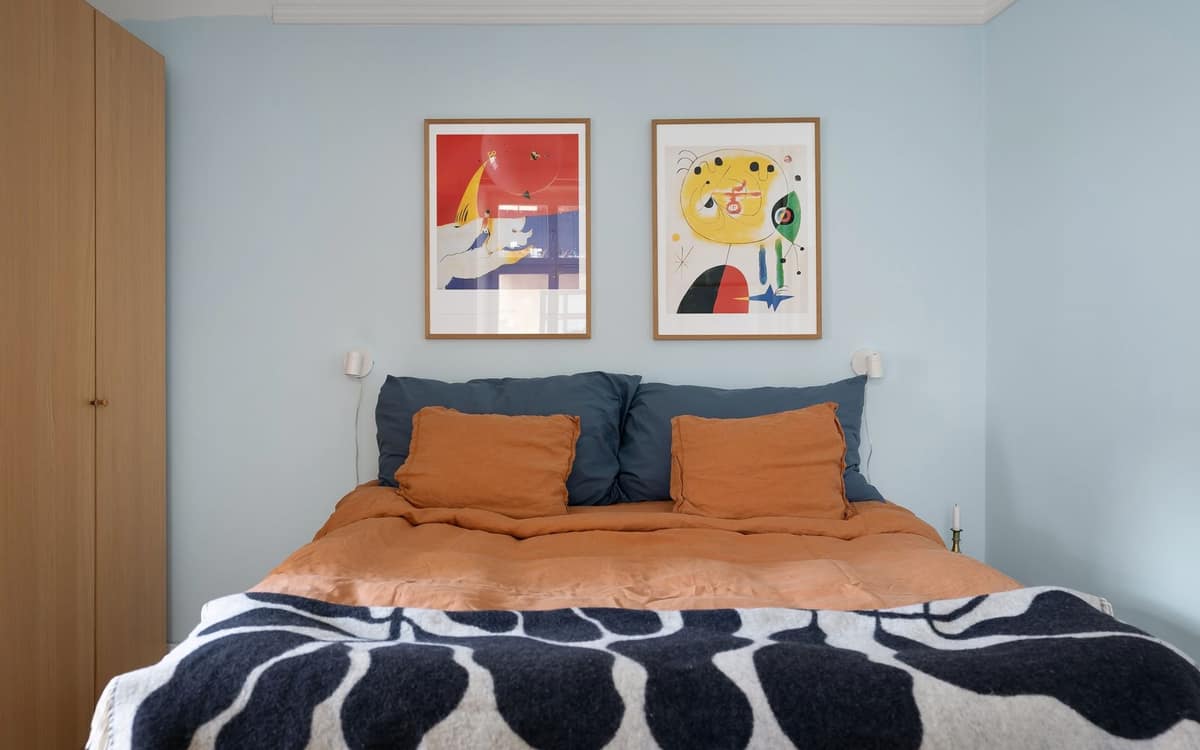
When one partner sleeps hot and the other sleeps cold, no single shared setup works, because you have opposite requirements. The fix is to stop sharing the variables that differ: use two separate duvets, one light and one warm, and if the mattress is the battleground, a dual-zone powered cooling system lets each side run its own temperature. Splitting beats compromising.
Why the usual approach never settles it
A mismatched couple keeps trying to find the one blanket, the one thermostat setting, the one mattress that suits both of them. It does not exist, and not because you have not found it yet — because the problem is structurally unsolvable as stated. You have two people with opposite thermal needs and a set of shared variables: one duvet, one room temperature, one mattress surface. Any single value for a shared variable makes one of you uncomfortable. The thermostat war is not a failure of compromise; it is what compromise looks like when the requirements are opposite.
The way out is to un-share the variables — to give each person their own value for the things you can separate. Once you see it that way, the fixes are obvious and mostly cheap.
The two-duvet method (do this first)
This is the single highest-value change for a mismatched couple, and it is standard across Scandinavia for exactly this reason. Instead of one shared duvet, put two single-size duvets on the bed, one each — a light, low-tog one for the hot sleeper and a warmer one for the cold sleeper. You each get the top layer you need, and as a bonus it ends sheet-stealing entirely, because you each have your own.
It looks unusual to people who have not seen it, it costs less than one premium comforter, and it solves the most common version of this problem completely. How to pick the two warmth levels is on how warm a duvet should be, and the arrangement is covered on comforter vs duvet vs quilt.
Split the rest of the variables
| The fight is over... | The split fix | Rough cost |
|---|---|---|
| The blanket / duvet | Two separate duvets, one each | Low — two single duvets |
| The mattress surface temperature | A dual-zone powered cooling system | High — but each side independent |
| The pillow | Each buys their own — cool vs warm | Low |
| The room | Fan aimed at the hot sleeper only | Low |
| The sheets | Compromise on a breathable natural fiber | Low — this one they can share |
When the mattress is the battleground
If the disagreement is the bed surface itself — one of you wants it cool, the other warm — a shared mattress cannot satisfy both, but a dual-zone powered cooling system can. These lay a water- or air-channeled pad over the mattress with an independent temperature for each side, so one of you can chill your side while the other warms theirs. It is the most expensive fix on this page, and the only one that truly gives each person their own mattress temperature. The options are on bed cooling systems.
The one variable to share, and the free move
Sheets can be shared.A breathable natural fiber — percale cotton, linen, or a light bamboo — is comfortable across a wide temperature range and does not strongly favor the hot or cold sleeper, so this is the one variable where a single good choice serves both. Our picks are on cooling sheets.
And the free move: aim a fan at the hot sleeper's side only. Moving air cools the person it is pointed at without changing the room for the other person, which is the cheapest possible way to un-share the temperature. Combined with two duvets, it settles most mismatched couples without anyone having to be a martyr about it. If you are buying for a couple rather than being one, the same fixes are re-explained as presents on gifts for a couple who can’t agree on the temperature.
If the bed partner who runs warm has four legs, the same un-sharing logic applies, and the sheets that cope with its heat, hair and claws are on the best sheets for hot sleepers who share the bed with a pet. If one of you is pregnant and suddenly running warmer than before, the bed-level fixes for that are on sleeping hot while pregnant.
There is one change that beats every product in this situation, and it is not a product. A single shared duvet has exactly one setting, so whoever cannot sleep ends up choosing it for both of you. Two separate duvets on the same bed gives each of you independent control for less than the price of a cooling comforter — the sizing and the kit for each half are on the Scandinavian sleep method.
If the bed itself is next on the list, be clear about what a mattress can and cannot settle here. One surface cannot be two temperatures, and the construction that best hides your partner’s movement is also the one that traps the most heat. How to resolve that, and the pad that cools a single side of the bed, are on cooling mattresses for couples.
Common questions
How do couples sleep when one is hot and one is cold?
By splitting the variables that differ instead of compromising on one shared setup. The main fix is two separate duvets, one light and one warm, so each person gets the top layer they need. If the mattress surface is the disagreement, a dual-zone powered cooling system gives each side its own temperature.
What is the two-duvet method?
Two single-size duvets on one bed, one for each person, instead of a shared comforter. The hot sleeper uses a light, low-tog duvet and the cold sleeper a warmer one. It is standard in Scandinavia, costs less than one premium comforter, solves the mismatch completely, and ends sheet-stealing.
Can a mattress cool one side and warm the other?
Not on its own, but a dual-zone powered cooling system can. It lays a channeled pad over the mattress with an independent temperature setting for each side, so one partner can chill their side while the other warms theirs. It is the most expensive fix but the only one that gives each person their own bed temperature.
What bedding can a mismatched couple share?
The sheets. A breathable natural fiber like percale cotton, linen or light bamboo is comfortable across a wide range and does not strongly favor a hot or cold sleeper, so it is the one variable where a single good choice serves both. The duvet and pillow are better split.
Read next
- Sleeping HotWhy you overheat at night, and what to fix first — cheapest change before most expensive.
- Comforter vs duvet vs quilt vs blanketFour top-layer types disambiguated, ranked by the only spec that matters.
- Bed cooling systems: what actually removes heatPowered systems: the only category that removes heat instead of slowing it.
Try the cheap thing first
Work down this list in order. Each step costs more than the one above it, and most people stop before the bottom. Replacing a mattress to fix a problem your sheets were causing is the most expensive mistake in this category.
- 1Pillowcase, then pillowUnder $20 to start
- 2Sheets$25-$60
- 3Top layer$30-$90
- 4Topper or pad$30-$300
- 5The mattress$200-$900
Before any of it: work out which one is actually your problem. If your bedroom is 78°F, none of these will save you.