Cooling blanket materials
A blanket has three material decisions in it and the packaging usually only discusses the one that matters least.
By Stephen V. · Specs last verified · Prices live as of October 25, 2026
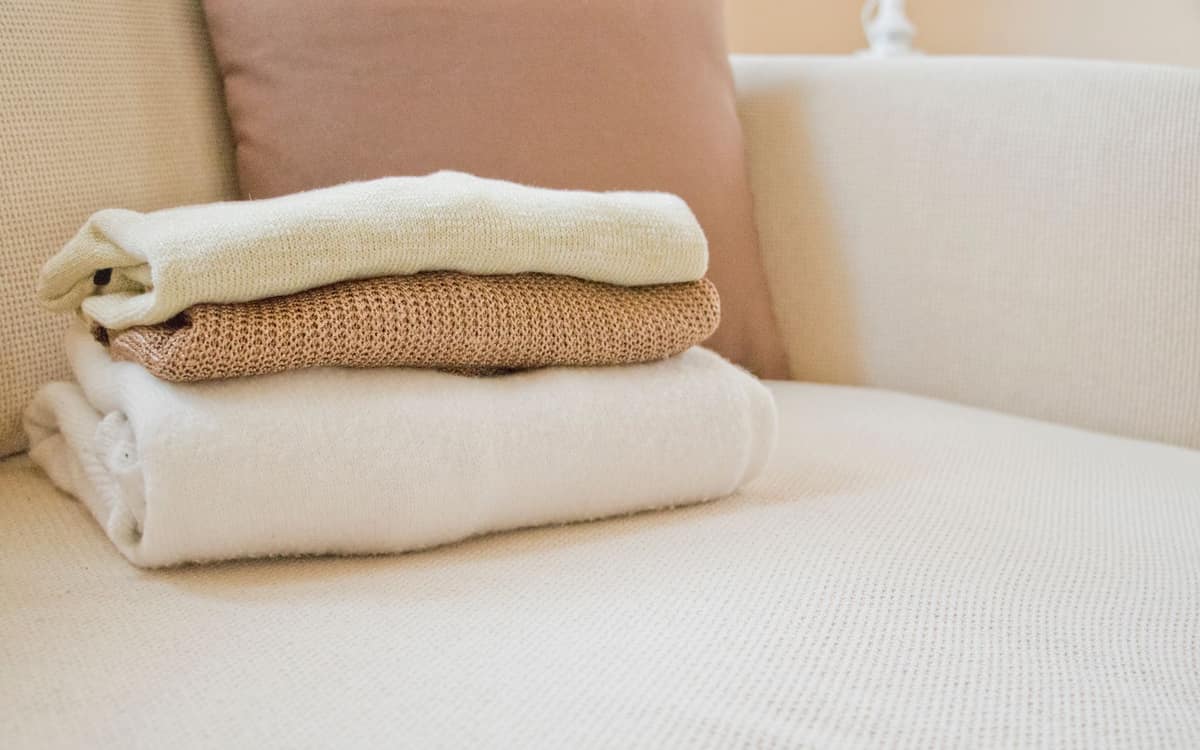
Three separate choices decide how a blanket sleeps: the shell fabric you touch, the fill inside it, and any surface finish. Fill decides how much heat is trapped, shell decides how moisture and air behave, and finish — the cold-touch coatings — decides only how the first few minutes feel.
Start with the one that dominates: fill
For anything with loft — comforters, duvet inserts, quilted blankets — the fill is most of the answer, and the mechanism is insulation rather than fabric science. Loft traps still air, still air is what stops heat escaping, and a thick blanket in a cool fabric is warmer than a thin blanket in a warm one. This is why the warmth rating matters more than any fiber claim on a duvet.
The choice between down and down alternative is a durability and allergy question far more than a temperature one, and it is worked through on down vs down alternative. For a hot sleeper the honest summary is that the coolest comforter is the one with the least fill in it, whatever that fill is made of.
Flat blankets with no fill — a waffle-weave cotton throw, for instance — sit outside this logic entirely. They have no loft to trap air, which is exactly why they are the most useful summer layer here and why they get their own roundup.
The shell fabric, which you actually touch
| Material | Mechanism | Moisture | Honest verdict |
|---|---|---|---|
| Cotton, waffle or open weave | Airflow | Absorbs into the fiber | The reliable default. Works all night, washes forever. |
| Cotton, tight or brushed | Less airflow | Absorbs | Warmer than it looks. Brushing adds a still-air layer. |
| Viscose from bamboo, lyocell | Wicking | Absorbs and spreads | Smooth, cool-feeling, genuinely good. Wears faster than cotton. |
| Linen | Airflow | Highest absorbency here | Coolest fiber available; texture is divisive and it costs. |
| Polyester or microfiber | Traps | Repels — leaves sweat on you | Avoid for a hot sleeper regardless of the cooling label. |
| Q-Max or ice-silk finished nylon | Cold-touch conduction | Repels | Feels dramatic for minutes, then it is a synthetic sheet. |
The bottom two rows are where most of the disappointment in this category comes from, and they are the two most likely to carry the word cooling. Polyester does not absorb water into the fiber, so sweat sits on your skin. That is fixed chemistry, not a quality problem, and the same argument applies to microfiber sheets.
Weave does as much work as fiber
Two blankets can be 100% cotton and behave completely differently, because the structure decides how much air moves through. A waffle weave has a deliberately open, three dimensional grid, so it holds a little air for comfort while leaving large channels for convection. A tight flannel in the same fiber is brushed to raise a nap, which traps still air against you — excellent in January, wrong in July.
The practical rule is the same one that governs sheets: if you can hold the fabric up to a light and see through it, air moves through it. If it is dense and fuzzy, it is insulation. That test costs nothing and beats every adjective on the packaging.
What Q-Max is, and what it is not
Q-Max is the one figure sellers publish in this category that has a real definition. It measures the peak rate of heat flow out of your skin at the instant you touch the fabric, usually reported as a number around 0.3 to 0.5. Higher means it pulls heat from your hand faster on contact.
What it does not measure is anything after that instant. Once the fabric has reached your skin temperature — a matter of minutes — the number describes nothing at all, and what governs the rest of the night is airflow, absorbency and loft. A high Q-Max blanket in a coated synthetic can be genuinely worse to sleep under than a plain cotton one, while testing better on the only number in the listing.
We label these as cold-touch conduction wherever they appear, and we keep at least one in our roundups as an explicit skip. The mechanism is real; the claim built on it is not. The fuller version of that argument is on how cooling blankets work.
Weighted blankets are a different problem
A weighted blanket has to carry glass beads or pellets, which means extra fabric layers to hold them, quilted pockets to stop them migrating, and a lot of mass in contact with you. Every one of those is a thermal cost, so a weighted blanket starts from behind and the material choices matter more, not less. Cotton shells and glass beads beat minky polyester and plastic pellets by a wide margin. The detail is on weighted blankets and heat.
How to read a listing in thirty seconds
- Find the fiber content. It is regulated, unlike every adjective near it. 100% cotton or 100% linen tells you most of what you need.
- Find the weave word. Waffle, gauze, muslin and percale are open. Flannel, fleece, sherpa and minky are not.
- Treat Q-Max as a first-contact figure only, and treat a listing that leads with it as one that has nothing else to say.
- Check the fill weight if there is fill. Where it is not published we record that it is not published, rather than estimating it.
- Ignore color-coded cooling claims entirely. Ice blue dye is dye.
Wool sits outside this map, which is why it is not ranked above: it cools by absorbing water vapor into the fiber rather than by moving air, so it helps a damp sleeper and works against a hot one. Where it belongs in a warm bed, and the one spec that decides it, are on is wool good for hot sleepers.
Common questions
What material is best for a cooling blanket?
For an unfilled blanket, an open-weave cotton such as waffle, or linen if you like the texture and can pay for it. For anything with loft, the fill weight matters more than the fiber — the coolest comforter is the one with the least fill. Avoid polyester and brushed microfiber shells whatever the label claims.
Are bamboo blankets cooler than cotton?
They feel cooler and they handle moisture slightly better, because viscose absorbs and spreads sweat over a wider area. Cotton in an open weave breathes just as well and lasts considerably longer. Bamboo viscose is the better choice if you want smooth rather than crisp, not because it is thermally superior.
Does Q-Max tell you how cool a blanket sleeps?
No. Q-Max measures how fast heat leaves your skin at the first instant of contact, so it describes the first few minutes and nothing after. Once the fabric reaches your body temperature the number is meaningless, and airflow, absorbency and loft decide the rest of the night.
Is a waffle weave actually cooler, or is it just a texture?
It is genuinely structural. The waffle grid holds the fabric off your skin in places and leaves open channels for air to move through, so it breathes far better than a flat, tightly woven blanket in the same fiber. Weave does as much work as fiber choice here.
Read next
- Cooling BlanketsBlankets, comforters and duvet inserts. Loft is the variable, not the fabric.
- How cooling blankets work, and whether they doThe physics of cold-touch fabric, and why 'absorbs heat all night' is not a thing.
- Down vs down alternative for hot sleepersWhich fill sleeps cooler — and why fill weight decides it more than fill type.
- The best waffle weave blankets for hot sleepersAiry cotton waffle blankets that beat cold-touch fabrics, ranked.
- The best cooling sheet material for hot sleepersEvery common sheet fiber compared on how it moves heat and what it does with sweat.
Try the cheap thing first
Work down this list in order. Each step costs more than the one above it, and most people stop before the bottom. Replacing a mattress to fix a problem your sheets were causing is the most expensive mistake in this category.
- 1Pillowcase, then pillowUnder $20 to start
- 2Sheets$25-$60
- 3Top layer$30-$90
- 4Topper or pad$30-$300
- 5The mattress$200-$900
Before any of it: work out which one is actually your problem. If your bedroom is 78°F, none of these will save you.