Sleeping hot in winter
It sounds like a contradiction and it is extremely common. The room got colder, so everything on the bed got heavier, and the heating started running all night.
By Stephen V. · Specs last verified · Prices live as of October 25, 2026
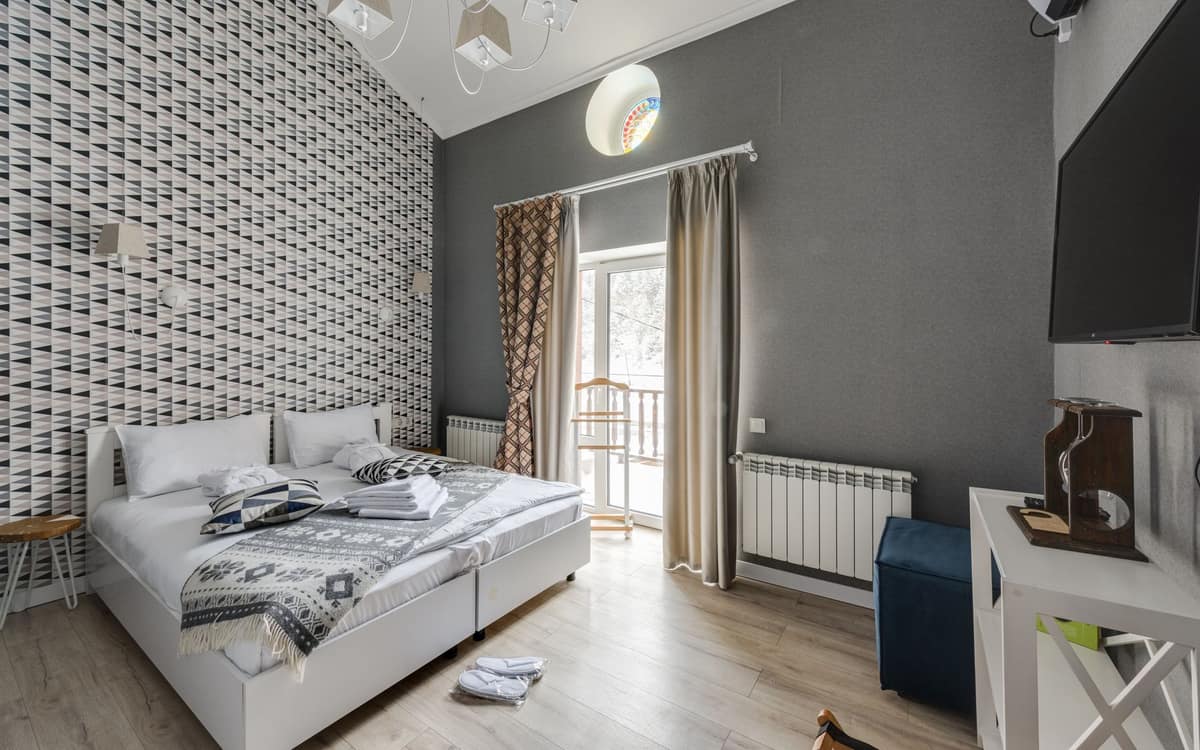
Winter overheating is almost always over-insulation plus a heated, sealed room. Central heating keeps the bedroom warmer overnight than the outdoor cold suggests, winter duvets add loft you no longer need indoors, and closed windows stop the airflow that used to carry your heat away. All three are adjustable.
Why the cold season makes it worse, not better
The instinct is that a cold month should be the easy one. It often is not, and there are four reasons that stack.
The room is not actually cold. A heating system that runs into the evening leaves a bedroom well above the 65 to 68°F range that suits most adults, and in a well-insulated house it stays there for hours after the heating stops. People judge their bedroom by the weather outside rather than by a thermometer inside, and are often several degrees out. This is the single most common cause and the easiest to check.
The bedding changed. Most households swap to a heavier duvet somewhere around October and leave it until spring. If your room is heated, you have added winter insulation to a room that never went to winter temperatures — you are dressed for outdoors, indoors.
The window is shut. In summer an open window provides constant slow air exchange that carries heat and moisture out of the room. Close it and both accumulate. Convection is one of the four routes heat leaves you, and shutting the window largely closes it.
The air is dry, which cuts both ways. Heated air holds little moisture, so sweat evaporates readily — genuinely helpful. But dry air also means you lose more water overnight without noticing, and waking dehydrated with a dry throat is often filed as sleeping hot when it is a humidity problem. The mechanism is on humidity and sleeping hot.
The free fixes, in order
- Put a thermometer in the bedroom. Not the hallway, not the thermostat in the living room. Check it at around 3am if you can, because that is when your body temperature is meant to be at its lowest and when the mismatch bites.
- Set the heating to drop overnight. A schedule that lets the bedroom fall into the mid-60s costs nothing and often solves the whole problem. If your radiator has a valve, turning the bedroom one down is quicker than arguing with a smart thermostat.
- Open the window a crack. Even an inch restores air exchange. In a cold month this feels wrong and works well.
- Take the winter duvet off and use your summer one with a blanket over it. Two thin layers beat one thick one, because you can remove one at 3am without getting out of bed.
- Move the bed away from the radiator if it is against one. Radiant heat from a panel a foot from your mattress is a real load, and it is free to fix.
Every one of those costs nothing, and between them they resolve most winter overheating. Only after them is it worth changing what is on the bed.
Layering beats one heavy duvet
The core principle for anyone whose temperature varies is adjustability, and a single thick duvet has exactly two settings: on, and off. Neither is right at 3am when you are warm but not hot.
| Setup | Adjustability | Result for a hot sleeper |
|---|---|---|
| One heavy winter duvet | On or off | Overheat, throw it off, wake cold an hour later |
| Summer duvet plus a blanket | Three settings | Shed one layer without leaving the bed |
| Sheet, blanket and throw | Four settings | Best control; more to make in the morning |
The warmth rating on a duvet is the number that governs this, and it is worth reading rather than guessing — the ranges and what they mean are on how warm a duvet should be. For a heated bedroom, most hot sleepers are better served by a mid-range duvet all year with a blanket added in the coldest weeks than by owning a genuinely heavy one at all.
What not to change
Two things people swap in winter that they should not.
The first is the sheet. Flannel and brushed cotton feel welcoming on a cold night and they are insulation by design — the brushing raises a nap that traps still air. If you overheat, keep the percale or linen sheet all year and add warmth above it, where you can take it off again. The same argument rules out brushed microfiber for a hot sleeper in any season.
The second is the mattress protector. If you added a heavier one, or a heated underlay, that layer is between you and the mattress all night and cannot be adjusted from inside the bed. Heated underlays in particular are excellent for warming a bed before you get in and a poor idea to leave running — see protectors and heat.
If it is only winter, it is the room
The most useful diagnostic here is seasonal. If you sleep well in spring and autumn and badly in both summer and winter, the common factor is not your body and not your mattress — it is that both of those seasons involve a room held away from its natural temperature, in opposite directions. Fix the room and the bedding decisions get much smaller. That is the same logic that opens what to fix first, and it is why the cheapest step is always first on the list.
Common questions
Why do I sleep hot in winter?
Usually because the bedroom is not as cold as the season suggests and the bedding has been made heavier anyway. Central heating leaves a bedroom well above the 65 to 68F range that suits most adults, the winter duvet adds loft you no longer need indoors, and a closed window removes the airflow that used to carry your heat away.
Should I use a lighter duvet in winter if I overheat?
In a heated bedroom, yes — and better still, use a lighter duvet with a blanket over it. One heavy duvet has two settings, on and off, whereas two layers let you shed one at 3am without getting out of bed. Adjustability matters more than total warmth for anyone whose temperature swings.
Are flannel sheets bad if you sleep hot?
For a hot sleeper, yes, even in winter. Flannel is brushed to raise a nap that traps a layer of still air against you, which is insulation by design. Keep a percale or linen sheet all year and add warmth in the layers above it, where you can remove it again.
Is it bad to sleep with the window open in winter?
For most healthy adults it is helpful rather than harmful, and even an inch restores the air exchange that carries heat and moisture out of the room. It costs some heating energy, so a lower overnight thermostat setting and a small opening usually beats a warm sealed room.
Does dry winter air make you sleep hot?
Not directly — dry air actually helps, because sweat evaporates more readily and evaporation is the most effective cooling route you have. What it does do is dehydrate you overnight without your noticing, and waking with a dry throat and feeling wrung out often gets reported as sleeping hot.
Read next
- Sleeping HotWhy you overheat at night, and what to fix first — cheapest change before most expensive.
- How to stop sleeping hot: what to fix firstThe decision guide. Five steps in cost order, and how to know when to stop.
- How warm should a duvet be for a hot sleeper?Decode tog and fill weight, and buy a genuinely cool summer duvet.
- Why humidity makes you sleep hot (and what helps)Damp air blocks sweat from evaporating — the fabric and room fixes that unstick it.
- Summer bedding: how to build the bedThe whole summer bed, layer by layer, for around $70.
Try the cheap thing first
Work down this list in order. Each step costs more than the one above it, and most people stop before the bottom. Replacing a mattress to fix a problem your sheets were causing is the most expensive mistake in this category.
- 1Pillowcase, then pillowUnder $20 to start
- 2Sheets$25-$60
- 3Top layer$30-$90
- 4Topper or pad$30-$300
- 5The mattress$200-$900
Before any of it: work out which one is actually your problem. If your bedroom is 78°F, none of these will save you.