Bamboo sheets vs cotton: which is better if you sleep hot
They cool you by two different mechanisms. Which one wins depends on whether your problem is heat or sweat.
By Stephen V. · Specs last verified · Prices live as of October 25, 2026
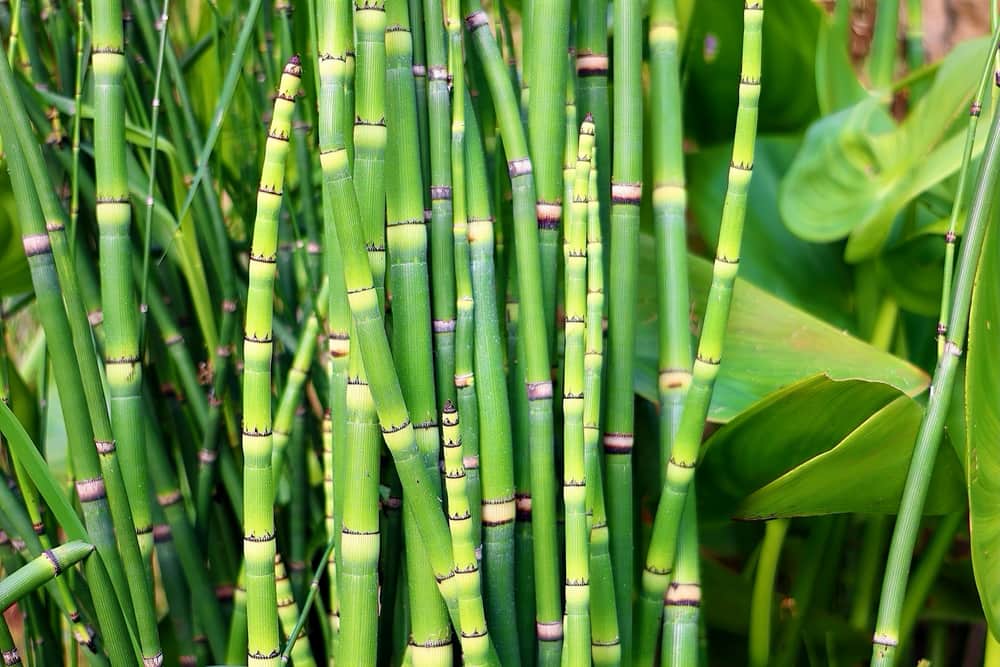
Cotton percale is better if you wake up hot but dry, because its open weave moves air. Bamboo viscose is better if you wake up damp, because it absorbs sweat into the fiber and feels smooth rather than crisp. Bamboo sheets are not actually bamboo — they are viscose regenerated from bamboo pulp, which the FTC requires the label to say.
This comparison gets framed as a quality question and it is really a mechanism question. The two fabrics do not compete on the same axis. Our roundup includes both for exactly that reason.
What “bamboo” means on a sheet label
Bamboo the plant is a hard, woody grass. It is not spinnable into bedding. To make sheets, the plant is broken down chemically into cellulose pulp and regenerated into a filament — the same process used to make viscose rayon from wood pulp. None of the bamboo plant's structure survives.
Because of that, the US Federal Trade Commission requires the fiber be labeled “rayon” or “viscose,” optionally with “derived from bamboo” added. The FTC has taken enforcement action against retailers marketing it as plain “bamboo.” When you see a listing titled “100% Viscose Derived from Bamboo,” that seller is following the rule; when you see “100% Bamboo Sheets,” it is not. That is a small compliance signal, and it is one of the few checkable ones in this category.
Note that this says nothing about the fabric being bad. Bamboo viscose is a genuinely good sheet material. It just is not the natural-plant product the marketing implies.
How each one handles a hot night
| Bamboo viscose | Cotton percale | |
|---|---|---|
| Mechanism | Wicking — absorbs into the fiber | Airflow — open plain weave |
| Feel | Smooth, cool to touch, heavy drape | Crisp, matte, holds its shape |
| Against skin | Lies flat | Stands off slightly |
| Sweat handling | Excellent absorbency | Good absorbency |
| Humid room | Slower to dry once saturated | Dries faster, keeps moving air |
| Durability | Weakest when wet; wash cold | Softens and lasts for years |
| Wrinkling | Resists wrinkles | Wrinkles readily |
| Typical price | $25-$105 | $30-$60 |
The practical decision
- Dry heat, hot bedroom: cotton percale. Airflow is what you need, and a fabric that lies flat against you cannot provide it.
- Night sweats, damp sheets: bamboo viscose or lyocell. Absorbency is what you need. See our night sweats page.
- You hate the feel of crisp sheets: bamboo viscose, and accept slightly less airflow as the price of a fabric you will actually keep on the bed.
- Best of both, if the budget allows: lyocell. Same smooth hand as viscose, better moisture transport, closed-loop production.
Caring for viscose so it lasts
Regenerated cellulose loses a significant share of its strength when wet, which is the single most important practical difference from cotton. Wash cold, use a gentle cycle, skip fabric softener — it coats the fiber and reduces absorbency, which is the exact property you paid for — and tumble on low or line dry. Bamboo viscose treated like cotton will pill and thin far sooner than the price suggests it should.
Common questions
Are bamboo sheets actually made of bamboo?
Not in any structural sense. Bamboo pulp is chemically dissolved and regenerated into viscose rayon filament, the same process used with wood pulp. The FTC requires the label to say rayon or viscose, optionally adding 'derived from bamboo'. A listing that says plain '100% bamboo' is not following the rule.
Do bamboo sheets sleep cooler than cotton?
They handle sweat better and move air less well. Bamboo viscose absorbs moisture readily and feels cool to the touch, but it drapes flat against your skin. Cotton percale's open weave lets air move through. Which sleeps cooler for you depends on whether your problem is heat or moisture.
Why do my bamboo sheets pill so quickly?
Viscose is at its weakest when wet, so hot washes, aggressive cycles and high dryer heat break the fibers down far faster than they would cotton. Wash cold on gentle, skip fabric softener, and dry on low.
Is bamboo lyocell better than bamboo viscose?
Generally yes. Lyocell uses a closed-loop solvent process that recovers the solvent, and the resulting fiber pulls moisture into its body rather than holding it on the surface. It costs more and is more durable in use.
Sources
Read next
- Cooling SheetsThe cheapest change that actually works. Weave and fiber decide everything.
- The best cooling sheet material for hot sleepersEvery common sheet fiber compared on how it moves heat and what it does with sweat.
- Percale vs sateen: which sheet sleeps coolerTwo weaves of the same fiber, with opposite thermal behavior. Which to buy and why.
- Tencel vs bamboo sheetsTwo regenerated-cellulose sheets compared: process, durability and cooling.
- The best bamboo cooling sheetsBamboo viscose vs lyocell, ranked — and who each weave is actually for.
- Cotton vs linen sheets: which sleeps cooler?Linen out-breathes cotton, but weave and feel decide the real winner.
Try the cheap thing first
Work down this list in order. Each step costs more than the one above it, and most people stop before the bottom. Replacing a mattress to fix a problem your sheets were causing is the most expensive mistake in this category.
- 1Pillowcase, then pillowUnder $20 to start
- 2Sheets$25-$60
- 3Top layer$30-$90
- 4Topper or pad$30-$300
- 5The mattress$200-$900
Before any of it: work out which one is actually your problem. If your bedroom is 78°F, none of these will save you.