Cotton vs linen sheets: which sleeps cooler?
Linen is the more breathable fiber and cotton is the more comfortable one for most people — and for cooling, the weave of the cotton matters almost as much as the cotton-versus-linen question itself.
By Stephen V. · Specs last verified · Prices live as of October 25, 2026
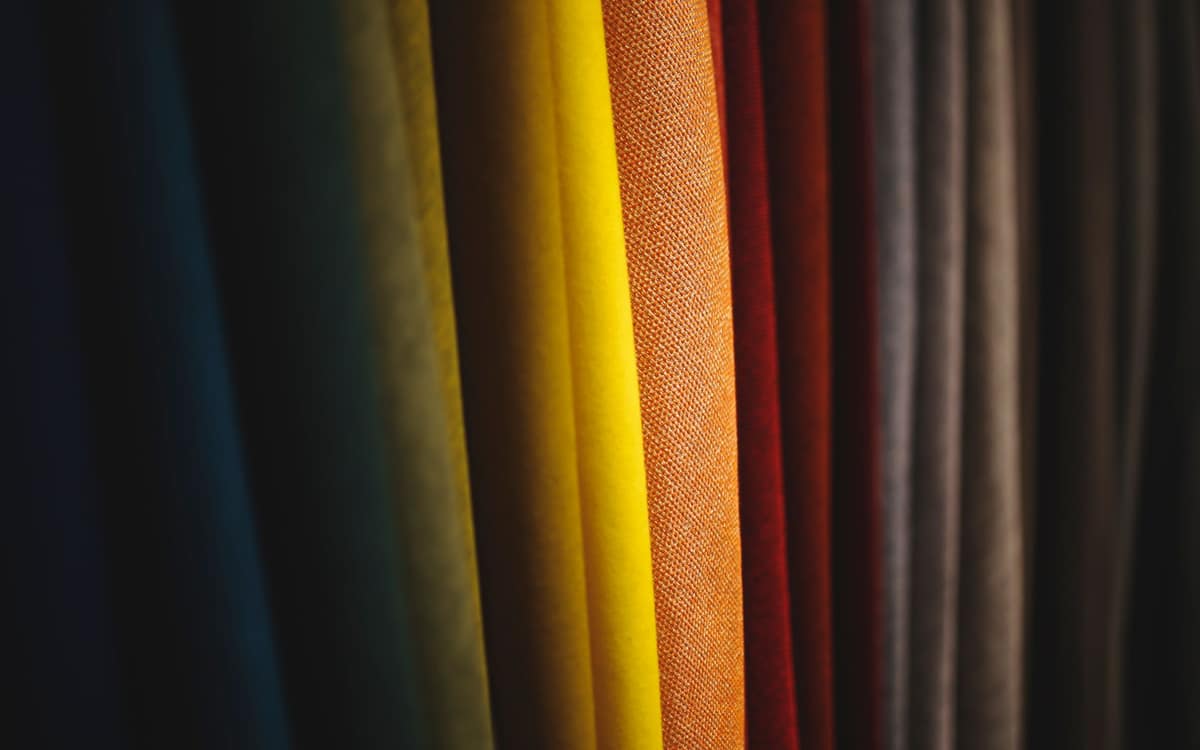
Linen is the more breathable fiber and sleeps coolest at the extreme, wicking more sweat than any cotton. But a percale-weave cotton is close behind, and it is softer, cheaper and lower-maintenance. Buy linen if you sweat heavily and do not mind the texture, the wrinkles and the price. Buy percale cotton if you want most of the cooling with none of the fuss, which covers most people.
This is usually framed as a fiber fight, and the honest answer is that the weave of the cotton matters almost as much as the cotton-versus-linen question itself. A good percale cotton and a poor sateen cotton are further apart on temperature than percale cotton and linen are. Keep that in mind as we go — the label you actually need to read may say “percale,” not “cotton” or “linen.”
The fiber difference
Linen is spun from flax: hollow, thick, stiff, irregular fibers that hold the cloth off your skin in loose folds and absorb a large fraction of their weight in moisture before feeling wet. Cotton fiber is softer, finer and more uniform, so cotton cloth drapes closer and feels smoother, and while it absorbs sweat well it does not move air the way stiff flax does. At the extreme — a hot, humid room and a heavy sweater — linen’s airflow and moisture capacity give it a genuine edge that no cotton quite matches.
If humidity is the reason you are weighing linen, the ranking across every fiber for that one condition is on the best sheets for hot, humid weather.
Cooling, head to head
Rank the fabrics purely on temperature and linen is first, percale cotton a close second, and everything else — sateen cotton, microfiber, jersey — well behind. But “first” and “close second” are nearer together than the price gap between them suggests. In a moderate bedroom most people cannot reliably tell a good percale from linen on temperature alone; the difference shows up on the worst nights, in the most humid rooms, for the heaviest sweaters. If your hot nights are occasional rather than brutal, you are paying a linen premium for a margin you may never feel. If they are brutal, that margin is the whole point.
The weave caveat that decides most real cases
Here is what the fiber-versus-fiber framing misses: cotton comes in two common weaves that behave in opposite ways. Percale is a plain one-over-one weave with open gaps for air; sateenfloats four threads over one and packs dense, warm and smooth. A percale cotton sleeps close to linen; a sateen cotton sleeps hot regardless of how good the cotton is. So “is cotton cooler than linen” has no answer until you name the weave — the real comparison is percale cotton versus linen, and it is genuinely close. The full weave breakdown is on percale vs sateen, and while you are reading labels, ignore the thread count: a higher number means a denser, warmer cloth, not a better one, as thread count and cooling explains.
Feel and maintenance
This is where cotton wins for most people. Percale cotton is crisp, but still smoother and more uniform than linen, softer from the first night, and lower-maintenance — wash it, tumble it, done. Linen is crisper and more textured, arrives a little rough and takes months of washing to break in, and wrinkles permanently no matter what you do. If a smooth hand or a tidy-looking bed matters to you, cotton is the easier fabric to live with. If you read “rumpled and textured” as character rather than a chore, linen’s personality is part of the appeal.
Durability
Linen wins here, clearly. Flax is a strong fiber and good linen softens and improves for a decade or more, which is part of what justifies the price over the life of the sheet. Cotton percale lasts several years and softens with washing too, but it thins sooner than linen does. Spread across the years you will actually own it, premium linen is less expensive than the sticker suggests, and budget cotton is cheaper up front than the math says.
| Cotton percale | Linen | |
|---|---|---|
| Fiber | Cotton — soft, uniform staple | Flax — hollow, stiff, irregular |
| Cooling mechanism | Airflow via open plain weave | Airflow plus heavy moisture absorption |
| Feel | Crisp, cool, hotel-like | Crisp, textured, rumpled |
| Against skin | Holds its shape | Stands off in loose folds |
| Maintenance | Easy; wrinkles a little | Wrinkles a lot; breaks in over months |
| Durability | Several years | Longer — often a decade or more |
| Price band | Budget to mid | Premium |
Who should buy which
- Buy linen ifyou sweat heavily, run hot in a humid room, and you either like or can live with a crisp, wrinkled, textured sheet — and you want to buy once. Our picks are on the best linen sheets.
- Buy percale cotton ifyou want most of linen’s cooling with a softer hand, an easier wash and a fraction of the price. This is the right answer for most hot sleepers.
- Buy neither ifyou want a silky, smooth, drapey sheet — that is a wicking fabric like bamboo viscose or lyocell, a different mechanism entirely.
The trap to avoid on both sides is the same one: a fabric sold on the word “cooling” with no fiber or weave named. Cotton that will not say “percale” is usually sateen or a blend; “linen-look” is usually not linen at all. Buy the named fiber in the named weave, and let the price decide between the two honest options rather than the marketing.
If the break-in period is what is putting you off linen, it is worth knowing how long it actually lasts and why fabric softener is the wrong way to shorten it on a fabric you bought for absorbency. That is on how to soften linen sheets.
If the fiber you are actually weighing against linen is bamboo viscose rather than cotton, that is a different trade with a different answer: linen versus bamboo sheets.
Common questions
Is linen or cotton cooler?
Linen, at the extreme. Its hollow flax fibers move more air and hold more moisture than cotton, so on the hottest, most humid nights it has a real edge. But a percale-weave cotton is close behind and much cheaper, and in a moderate room most people cannot tell them apart on temperature. Cotton in a sateen weave, by contrast, sleeps warm regardless.
Is linen worth it over cotton?
If you sweat heavily, run hot in humidity, and either like or tolerate a crisp, wrinkled sheet, yes — and it lasts longer, which softens the price over time. If your hot nights are occasional and you want a smoother, lower-maintenance, cheaper sheet, a cotton percale gives you most of the cooling for a fraction of the money. Most people are better served by percale.
Does linen feel like cotton?
No. Cotton is soft and smooth from the first night; linen is crisp, textured and a little rough until months of washing break it in. Linen also drapes in loose folds and wrinkles permanently, where cotton lies flatter. If a smooth hand matters to you, cotton is the safer choice, and a silky wicking fabric like bamboo is smoother still.
Which lasts longer, cotton or linen?
Linen, by a clear margin. Flax is a strong fiber and quality linen softens and improves for a decade or more, while cotton percale lasts several years and thins sooner. That longevity is part of why linen's higher price is less lopsided than it first looks when you spread it across the life of the sheet.
Sources
Read next
- Cooling SheetsThe cheapest change that actually works. Weave and fiber decide everything.
- Bamboo sheets vs cotton: which is better if you sleep hotAbsorbency versus airflow — and what the word 'bamboo' is legally allowed to mean.
- The best linen sheets for hot sleepersBreathable flax-fiber sheets ranked, plus who should skip linen entirely.
Try the cheap thing first
Work down this list in order. Each step costs more than the one above it, and most people stop before the bottom. Replacing a mattress to fix a problem your sheets were causing is the most expensive mistake in this category.
- 1Pillowcase, then pillowUnder $20 to start
- 2Sheets$25-$60
- 3Top layer$30-$90
- 4Topper or pad$30-$300
- 5The mattress$200-$900
Before any of it: work out which one is actually your problem. If your bedroom is 78°F, none of these will save you.