Skip to content
Chill & Chamber

Cooling Sheets

The best linen sheets for hot sleepers

Linen breathes better than any cotton, wicks more sweat, and softens for years — and it is crisp, wrinkled and expensive, which is exactly why some people love it and others should not buy it.

By Stephen V. · Specs last verified · Prices live as of September 8, 2026

We earn a commission if you buy through our links, at no extra cost to you. It never changes what we rank or what we say — how this is funded and how we pick.

Linen is the most breathable fabric you can put on a bed, and it earns that the way nothing else in the category does — through the fiber itself, not a weave trick or a coating. Linen is spun from flax, and flax fiber is hollow, thick, stiff and irregular. Cloth woven from it will not drape flat against your skin; it holds itself in loose folds, so there is a cushion of air between you and the fabric almost everywhere. Those same hollow fibers absorb a large share of their own weight in moisture before they feel wet, then give it back to the air quickly. High airflow and heavy moisture handling in one fiber is why linen is called naturally thermoregulating, and why it is the coolest common bed fabric there is.

One expectation worth setting: linen gives you a slow, all-night kind of cool, not a cold-touch hit. It does not feel icy the instant you lie down the way a slick nylon sheet does — instead it simply refuses to trap heat and sweat over the eight hours that decide whether you wake up drenched. If you have been chasing that first-touch chill and been let down by 3am, the reason is on do cooling sheets work.

The honest reasons not everyone should buy it

Linen’s virtues come bundled with a personality. It is crisp and textured rather than smooth — some people read that as luxurious and organic, others as scratchy. It is genuinely a little rough for the first several washes and softens over months of use rather than arriving soft in the bag; that break-in is normal, and it is the main reason linen gets returned before it has had a chance. It wrinkles permanently and proudly; ironing it is a losing battle you should not start. And it is the most expensive fabric on this site by a wide margin. None of that is a defect — it is the deal. Linen is a buy-it-for-a-decade fabric with a strong opinion about how it looks and feels.

How to read the picks

Our best value pick is a cotton-linen blend rather than pure flax. The cotton softens the sandpapery first month and drops the price to roughly a third of pure linen, while keeping much of the airflow that makes linen worth buying. It is the sensible way to find out whether the material suits you before committing. Our best pure linenpick is 100% French flax — the full-strength version, maximum airflow, and a fabric that gets better for years instead of wearing out. Treat it as a buy-once purchase; the price stings once and then never again.

The third pick is deliberately not linen at all. It is a bamboo-viscose set, and it is here for everyone who wants a cool sheet but dislikes everything about linen’s texture. Bamboo viscose is linen’s opposite hand — silky, smooth and heavy-draping — and it cools by absorbing moisture rather than by moving air. If the words “crisp” and “rumpled” put you off, this is your sheet, and the full comparison of the two mechanisms is on bamboo vs cotton.

Who should not buy linen

Linen is the coolest fabric here and also one of the most returned, because it is bought on reputation and disliked on contact. Three kinds of buyer should skip it:

  • You want a smooth, silky sheet. Linen will always feel crisp and textured. Buy bamboo viscose or lyocell instead.
  • You hate wrinkles or ironing. Linen is permanently rumpled by design and there is no fixing it. A wrinkle-resistant sateen or a smooth viscose will make you happier.
  • You are on a tight budget.Pure linen is the priciest thing here. A cotton percale set costs a fraction and sleeps nearly as cool — the materials guide shows where each fabric lands.

Pure linen, blend and bamboo, side by side

Pure linen, a cotton-linen blend and bamboo viscose for a hot sleeper. Our read of published construction, not lab measurement.
Pure linenCotton-linen blendBamboo viscose
FeelCrisp, texturedSofter, slightly crispSilky, smooth
AirflowHighestHighLow — cools by moisture
Sweat handlingExcellentVery goodExcellent absorbency
Break-inMonths of softeningSoft soonerSoft from night one
WrinklesAlwaysYesResists
Price bandPremiumMidBudget to mid

If you already know you love the feel of linen, buy the pure French flax and stop shopping; it is the ceiling of this category and it lasts. If you are linen-curious, start with the blend. And if you arrived wanting cool sheets but suspect linen’s texture is not for you, the bamboo set is the graceful exit — cool by a different mechanism, and the opposite feel in your hand.

Quick picks

Ranked on published construction and buyer fit. Select a row to jump to the full write-up. We have not slept on any of these — here is exactly what we do instead.

#ProductBest forHow it coolsPrice
1
No image

Bedsure Cotton-Linen Blend Sheet Set, 16-Inch Deep Pocket

Trying linen without the price or the break-in

Best value linenAirflow (open structure)
2
Bedlifes 100% French Pure Linen Sheet Set

Bedlifes 100% French Pure Linen Sheet Set

Hot, humid rooms — the maximum-airflow option

Best pure linenAirflow (open structure)
$104.99 · View on Amazon

$109.995% off

Price as of September 8, 2026. #ad How we’re funded

3
Bedsure PureWoven 100% Bamboo Viscose Sheet Set

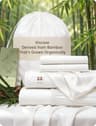
Bedsure PureWoven 100% Bamboo Viscose Sheet Set

People who find percale too crisp

Cooler-feeling alternativeMoisture wicking
$89.99 · View on Amazon

$119.9925% off

Price as of September 8, 2026. #ad How we’re funded

#1Best value linen

Bedsure Cotton-Linen Blend Sheet Set, 16-Inch Deep Pocket

Most of linen's airflow at a third of linen's price, and it skips the sandpapery first month pure flax puts you through. A sensible way to try the material before committing.

What it gets right

  • Flax fiber is hollow and stiff, so the cloth holds itself off your skin — that gap is the cooling
  • The cotton in the blend softens the notorious first-month scratchiness
  • Far cheaper than pure linen

Trade-offs

  • Blended, so it moves less air than 100% flax
  • Listing does not publish the blend ratio, which is the one number that would settle it
  • Wrinkles, as anything with linen in it does
Published specifications
MaterialCotton-linen blend
How it cools (our read)Airflow (open structure)
WeaveNot published
Thread countNot published
Fabric weight (GSM)Not published
Certifications statedNone stated

Why the construction matters. The blend ratio is the spec that decides whether this behaves like linen or like cotton, and the listing does not state it. That absence is worth knowing before you buy.

Specifications read from the product listing on July 23, 2026. “Not published” means the listing does not state that figure.

#2Best pure linen

Bedlifes 100% French Pure Linen Sheet Set

The coolest common bed fabric there is, and the most expensive way to find out you like crisp sheets. Buy this if percale converted you and you want the stronger version.

What it gets right

  • 100% flax: hollow fiber, stiff hand, and it stands off the skin instead of clinging
  • Absorbs a large fraction of its weight in moisture before feeling wet
  • Gets softer for years rather than wearing out

Trade-offs

  • Genuinely scratchy for the first several washes — this is normal and it does pass
  • The most expensive option here by a wide margin
  • Rumpled permanently; if that bothers you, do not buy linen
Published specifications
Material100% French flax linen
How it cools (our read)Airflow (open structure)
WeaveNot published
Thread countNot published
Fabric weight (GSM)Not published
Certifications statedNone stated

Why the construction matters. Linen is normally specified in GSM, not thread count, because flax yarns are irregular and a thread count would be meaningless. This listing publishes neither.

Specifications read from the product listing on July 23, 2026. “Not published” means the listing does not state that figure.

#3Cooler-feeling alternative

Bedsure PureWoven 100% Bamboo Viscose Sheet Set

If you want cool without crisp, this is the trade. Bamboo viscose is a smooth, heavy-draping cloth that pulls moisture well — it just does not move air the way percale does.

What it gets right

  • Viscose absorbs and releases moisture readily — genuinely better than polyester at this
  • Drapes and feels smooth, which is why people who hate percale like it
  • Labeled honestly as viscose derived from bamboo, which is the accurate description

Trade-offs

  • Sold as 'bamboo' but chemically regenerated into viscose — the plant is the input, not the fabric
  • The smooth drape that people like also means it lies flat against skin
  • Viscose weakens when wet; wash cold and skip the hot dryer
Published specifications
Material100% viscose derived from bamboo
How it cools (our read)Moisture wicking
WeaveNot published
Thread countNot published
Fabric weight (GSM)Not published
Certifications statedNone stated

Why the construction matters. The FTC requires these be labeled 'rayon' or 'viscose derived from bamboo' rather than 'bamboo', because the fiber is chemically regenerated. A listing that says plain 'bamboo sheets' is telling you it has not read the rule.

Specifications read from the product listing on July 23, 2026. “Not published” means the listing does not state that figure.

Common questions

Are linen sheets good for hot sleepers?

They are the best there is on paper. Flax fiber is hollow and stiff, so linen holds itself off your skin and moves air better than any cotton, and it absorbs a large share of its weight in moisture before feeling damp. The reasons not to buy it are all about feel and price, not cooling: it is crisp, textured, wrinkled and expensive.

Why are linen sheets so expensive?

Flax is harder to grow and process than cotton, the fibers take more steps to turn into soft yarn, and good linen is woven to last a decade or more. You are paying for durability as much as fiber. Spread over the years a linen set survives, the cost per night is lower than the sticker suggests, but the up-front price is genuinely high.

Do linen sheets get softer over time?

Yes, markedly. Linen arrives crisp and a little rough and softens with every wash for months, without a coating or a softener — the fibers themselves break in. This is why a new linen set feels scratchier than expected and why you should not judge it in the first week. Fabric softener actually works against it by coating the fiber.

Linen or bamboo for cooling?

They cool by opposite mechanisms, so it comes down to feel. Linen moves air and suits a hot room, dry or humid, and anyone who likes a crisp, textured sheet. Bamboo viscose barely moves air but absorbs sweat well and feels silky and smooth, which suits people who wake up damp or who dislike linen's texture. Choose linen for airflow, bamboo for a smooth hand.

Sources

Try the cheap thing first

Work down this list in order. Each step costs more than the one above it, and most people stop before the bottom. Replacing a mattress to fix a problem your sheets were causing is the most expensive mistake in this category.

  1. 1Pillowcase, then pillowUnder $20 to start
  2. 2Sheets$25-$60
  3. 3Top layer$30-$90
  4. 4Topper or pad$30-$300
  5. 5The mattress$200-$900

Before any of it: work out which one is actually your problem. If your bedroom is 78°F, none of these will save you.