Skip to content
Chill & Chamber

Cooling Sheets

How to soften linen sheets, and how long it really takes

Linen is the coolest fabric you can put on a bed and the only one that arrives feeling like a mistake. Here is what is actually happening, and the four things that help.

By Stephen V. · Specs last verified · Prices live as of October 25, 2026

We earn a commission if you buy through our links, at no extra cost to you. It never changes what we rank or what we say — how this is funded and how we pick.

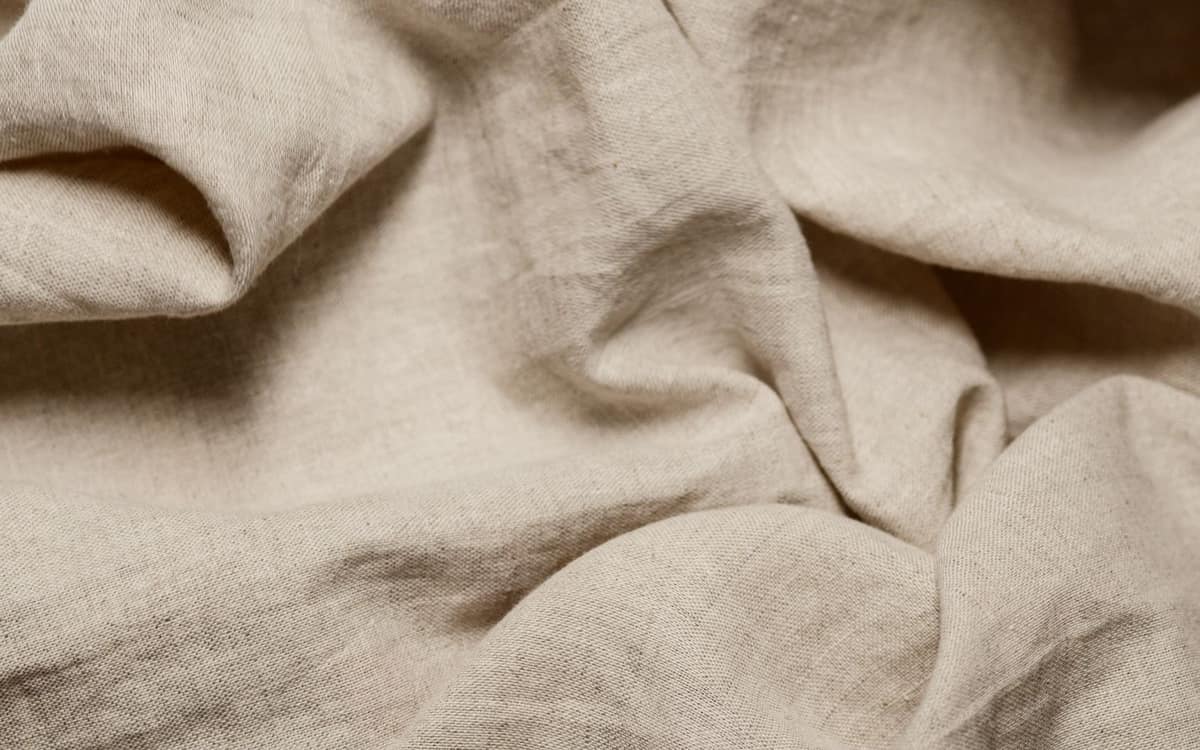
Washed linen fabric with soft, lived-in creases

Wash it, repeatedly, and do nothing clever. Warm water, a mild detergent, no fabric softener, no chlorine bleach, a tumble on low with the sheets pulled out while still slightly damp. Pure linen is noticeably better after four or five cycles and keeps improving for years, which is a property of the fiber rather than a process you can rush. If you want soft bedding this week instead, buy a cotton-linen blend or a cotton percale set — both are genuinely cooler than most things on the market and neither puts you through the break-in.

Every linen seller tells you it softens with washing. Ours does: the DAPU linen cover listing says plainly that the cloth softens with laundering, which is unusually honest packaging for a product that feels like a canvas sack on night one. What none of them tell you is why, and the why is what lets you tell a genuine method from a myth.

Why new linen is stiff

Linen is made from flax, and flax is a bast fiber — it comes from the stem of the plant rather than from a seed pod like cotton. The fiber does not grow as a single strand. It grows in bundles of fine elementary fibers held together by a natural gum, and the composition of that gum is the whole story here.

Published analyses of flax put cellulose at roughly 64 to 78 percent of the fiber, with hemicellulose at about 13 to 22 percent, lignin at 2 to 9 percent and pectin at 0.5 to 5.5 percent. The elementary fibers are bound into bundles by a network of that lignin, hemicellulose and pectin — a cohesive plant gum that does, in the stem, exactly what it sounds like: holds the structure rigid.

A new linen sheet still has a lot of that binder in it. The yarn behaves as a thick, stiff rod rather than as a bundle of fine filaments free to move against each other, and that rigidity is what you feel as scratchiness. Every wash cycle — water, mild detergent, mechanical agitation — removes a little more of the binder, and the elementary fibers inside each yarn become progressively freer to separate and slide. That increasing mobility is the softening. It is a real physical change in the cloth, not a surface treatment, which is why it is permanent and why it keeps going for years.

What actually works, and what does not

Methods people try, with our read of each. Where we mark something as our judgement rather than a sourced fact, that is exactly what it is — no manufacturer publishes a softening protocol.
MethodDoes it help?Why
Repeated normal launderingYes — this is the mechanismWater, detergent and agitation progressively remove the pectin and hemicellulose binding the fiber bundles together
Tumble drying on lowYesMechanical flexing while the fabric is damp does the same work as agitation. Wool or rubber dryer balls add more of it
Just sleeping on itYes, slowlyYour weight and movement flex the cloth every night. Linen in daily use softens faster than linen in a guest room
White vinegar in the rinsePlausible, mildA weak acid rinse helps strip detergent and mineral residue, which stiffens cloth in hard-water areas. Our read, not a manufacturer instruction
Baking soda in the washMarginalA mild alkali that helps with residue and odour. We would not expect it to change the fiber itself
Fabric softenerNo — avoidIt works by leaving a lubricating finish on the fiber surface, which is the opposite of what you want on a fabric bought for absorbency
Chlorine bleachNo — damagingExcessive chlorine bleaching damages linen. Light use whitens; repeated use weakens the fiber
Over-drying on high heatNo — counterproductiveDriving all the moisture out leaves linen board-stiff and brittle. Pull it out damp and let it finish on the bed

The fabric softener row deserves expanding, because it is the single most common piece of advice given to people with new linen and on this site it is close to the worst.

Why fabric softener is the wrong tool here

Softeners do not change the fiber. They deposit a lubricating finish on the surface of it, which makes the cloth feel slicker and reduces the friction between yarns. For a towel or a fleece that is a cosmetic win and a known trade-off, because the same film reduces how readily the fabric takes up water.

Now think about why a hot sleeper buys linen. Flax absorbs a large fraction of its weight in moisture before it feels wet, and it gives that moisture up quickly — and the hydrophilic components doing a meaningful share of that work are the celluloses, hemicelluloses and pectin, the same family of compounds that make the fiber stiff in the first place. Linen is absorbent and crisp for related reasons. Coating it to feel soft sooner means spending the absorbency you bought it for.

That is our reading of the chemistry rather than a line from a care label, and we would rather say so than present it as settled. The practical advice is not in dispute, though, and the manufacturers agree with it: no linen listing we have read recommends a softener, and several explicitly tell you not to use one.

How many washes, honestly

Nobody publishes a number, including the sellers whose listings promise the softening. What we can tell you is the shape of the curve, because it is a property of the material:

The first wash makes the biggest single difference and will not get you to soft. Four or five cycles of normal use and laundering take most of the sandpaper out of pure flax. After that the improvement continues at a slowing rate for years, which is the thing linen owners mean when they say their sheets are the best thing they own — those sheets are usually a decade old. Our own linen pick’s listing makes the same point from the other direction: it gets softer for years rather than wearing out.

The practical version: buy two sets, or one set and one percale set, and rotate. Rotation is the fastest softening programme available because it doubles the number of wash cycles per month of ownership, and it means you never sleep on a damp sheet, which is the real argument for owning two of anything on a hot sleeper’s bed.

Shedding and pilling in the first weeks

Two normal behaviours that people mistake for defects.

Shedding. New linen leaves short fiber fragments in the dryer lint trap and sometimes on you. Those are the broken ends of elementary fibers released as the bundles open up, which is the softening happening in front of you. It stops within a few washes.

Pilling.True pilling is rare in pure flax, because the fibers are long and strong. If a linen-blend sheet pills, it is usually the shorter cotton or synthetic component doing it, and a blend that does not publish its ratio — like the blend in our picks — gives you no way to predict it. That missing ratio is the one spec we flag on that product.

If the break-in is a dealbreaker

It is a legitimate reason not to buy pure linen, and there are two good alternatives that do not cost you much cooling.

A cotton-linen blendgets a good share of linen’s airflow — flax is hollow and stiff, so the cloth stands off your skin instead of clinging, and that gap is the cooling — while the cotton content skips the worst of the first month. It also costs a fraction of pure flax. The trade is that it moves less air than 100 percent linen, and without a published blend ratio you cannot know how much less.

Cotton percale is the other answer and the one we recommend most often on this site. Percale is a plain one-over-one-under weave, the loosest common cotton structure, so air moves through it; cotton absorbs sweat rather than leaving it on your skin; and it is cheap enough to own two sets. It is crisp rather than silky, but crisp cotton is a different thing from stiff flax, and it is soft from the first night. The full comparison is on cotton versus linen.

One last option if you like the idea of linen but not against your skin: put it on the top layer instead. A linen duvet cover gives you the airflow and the moisture handling over the whole bed without the sheet touching you for seven hours, and the one in our picks is the only cover we have found that publishes its cloth weight — 170 GSM, which for linen is a far more useful number than a thread count would be. The covers are compared on cooling duvet covers, and the wider sheet washing routine is on how to wash cooling sheets without ruining them.
Quick picks

Ranked on published construction and buyer fit. Select a row to jump to the full write-up. We have not slept on any of these — here is exactly what we do instead.

#ProductBest forHow it coolsPrice
1
Bedlifes 100% French Pure Linen Sheet Set

Bedlifes 100% French Pure Linen Sheet Set

Hot, humid rooms — the maximum-airflow option

Best pure linen to break inAirflow (open structure)
$94.49 · View on Amazon

$104.9910% off

Price as of October 25, 2026. #ad How we’re funded

2
Bedsure Cotton-Linen Blend Sheet Set, 16-Inch Deep Pocket

Bedsure Cotton-Linen Blend Sheet Set, 16-Inch Deep Pocket

Trying linen without the price or the break-in

Soft from the first nightAirflow (open structure)
$84.99 · View on Amazon

$89.996% off

Price as of October 25, 2026. #ad How we’re funded

3
DAPU 100% French Linen Duvet Cover Set, 170 GSM

DAPU 100% French Linen Duvet Cover Set, 170 GSM

Humid rooms, where airflow alone is not enough

Best linen for the top layerAirflow (open structure)
$125.99 · View on Amazon

$139.9910% off

Price as of October 25, 2026. #ad How we’re funded

4
LANE LINEN 100% Organic Cotton Percale Sheet Set

LANE LINEN 100% Organic Cotton Percale Sheet Set

Almost everyone, as a first move

Buy this if you want soft nowAirflow (open structure)
$44.99 · View on Amazon

Price as of October 25, 2026. #ad How we’re funded

#1Best pure linen to break in

Bedlifes 100% French Pure Linen Sheet Set

The coolest common bed fabric there is, and the most expensive way to find out you like crisp sheets. Buy this if percale converted you and you want the stronger version.

What it gets right

  • 100% flax: hollow fiber, stiff hand, and it stands off the skin instead of clinging
  • Absorbs a large fraction of its weight in moisture before feeling wet
  • Gets softer for years rather than wearing out

Trade-offs

  • Genuinely scratchy for the first several washes — this is normal and it does pass
  • The most expensive option here by a wide margin
  • Rumpled permanently; if that bothers you, do not buy linen
Published specifications
Material100% French flax linen
How it cools (our read)Airflow (open structure)
WeaveNot published
Thread countNot published
Fabric weight (GSM)Not published
Certifications statedNone stated

Why the construction matters. Linen is normally specified in GSM, not thread count, because flax yarns are irregular and a thread count would be meaningless. This listing publishes neither.

Specifications read from the product listing on July 23, 2026. “Not published” means the listing does not state that figure.

#2Soft from the first night

Bedsure Cotton-Linen Blend Sheet Set, 16-Inch Deep Pocket

Most of linen's airflow at a third of linen's price, and it skips the sandpapery first month pure flax puts you through. A sensible way to try the material before committing.

What it gets right

  • Flax fiber is hollow and stiff, so the cloth holds itself off your skin — that gap is the cooling
  • The cotton in the blend softens the notorious first-month scratchiness
  • Far cheaper than pure linen

Trade-offs

  • Blended, so it moves less air than 100% flax
  • Listing does not publish the blend ratio, which is the one number that would settle it
  • Wrinkles, as anything with linen in it does
Published specifications
MaterialCotton-linen blend
How it cools (our read)Airflow (open structure)
WeaveNot published
Thread countNot published
Fabric weight (GSM)Not published
Certifications statedNone stated

Why the construction matters. The blend ratio is the spec that decides whether this behaves like linen or like cotton, and the listing does not state it. That absence is worth knowing before you buy.

Specifications read from the product listing on July 23, 2026. “Not published” means the listing does not state that figure.

#3Best linen for the top layer

DAPU 100% French Linen Duvet Cover Set, 170 GSM

The only cover we found that publishes what its cloth weighs. Linen handles heat and moisture at the same time, which is the combination a humid bedroom needs, and 170 GSM tells you exactly how much cloth you are getting.

What it gets right

  • Publishes a 170 GSM fabric weight — the single most useful number in bedding and one almost no cover states
  • Linen holds a great deal of moisture before it feels wet and gives it up quickly, so it handles heat and damp together
  • States OEKO-TEX Standard 100 certification, a hidden zipper and corner ties to stop the insert shifting

Trade-offs

  • The most expensive cover on this page by a clear margin
  • Crisp and stiff out of the bag — the listing says plainly that it softens with washing, which means the first few weeks are the worst of it
  • Undyed linen varies in shade between production batches, so a replacement piece may not match
Published specifications
Material100% French flax linen
How it cools (our read)Airflow (open structure)
Fabric weight (GSM)170
Certifications statedOEKO-TEX Standard 100

Why the construction matters. GSM is grams per square meter of cloth, and for linen it is a far better guide than thread count, which linen listings rarely quote and which means little in a fiber this thick. 170 GSM is a mid-weight linen: substantial enough to drape and launder well, light enough to breathe.

Specifications read from the product listing on September 8, 2026. “Not published” means the listing does not state that figure.

#4Buy this if you want soft now

LANE LINEN 100% Organic Cotton Percale Sheet Set

Percale in organic cotton at a price where you can own two sets and never sleep on a damp one. If you only change one thing about your bed, change to this weave.

What it gets right

  • Percale is a plain one-over-one-under weave — the loosest common cotton structure, so air moves through it
  • Cotton absorbs sweat instead of sitting on top of it the way polyester does
  • Cheap enough to buy two sets, which matters more than any single feature

Trade-offs

  • Crisp rather than silky — genuinely a different feel, and some people dislike it
  • Wrinkles out of the dryer; percale always does
  • Listing does not publish a thread count or GSM
Published specifications
Material100% organic cotton
How it cools (our read)Airflow (open structure)
WeavePercale
Thread countNot published
Fabric weight (GSM)Not published
Certifications statedNone stated

Why the construction matters. Percale is defined by the weave, not the thread count: one thread over, one under, which leaves more open area between yarns than sateen's four-over-one float. That open area is the cooling.

Specifications read from the product listing on July 23, 2026. “Not published” means the listing does not state that figure.

Common questions

How do you soften linen sheets?

Wash them, repeatedly, with nothing clever added. Warm water, mild detergent, no fabric softener, no chlorine bleach, then a tumble on low with the sheets pulled out while still slightly damp. The softening is a real physical change — laundering progressively removes the pectin and hemicellulose binding the flax fiber bundles together, which lets the fine fibers inside each yarn move against each other.

How many washes does it take to soften linen?

No seller publishes a number, so here is the shape rather than a figure: the first wash makes the biggest single difference and will not get you there, four or five cycles take most of the harshness out of pure flax, and the improvement then continues at a slowing rate for years. Buying two sets and rotating them is the fastest programme available, because it doubles the wash cycles per month of ownership.

Why is my new linen bedding so scratchy?

Because the fiber is still glued together. Flax is a bast fiber that grows in bundles of fine elementary fibers bound by a network of pectin, hemicellulose and lignin — published analyses put pectin at roughly 0.5 to 5.5 percent of the fiber and hemicellulose at 13 to 22 percent. A new sheet still contains most of that binder, so each yarn behaves like a stiff rod rather than a bundle of filaments. It passes.

Should you use fabric softener on linen sheets?

No. Softeners do not change the fiber; they leave a lubricating finish on its surface, and that same film reduces how readily the fabric takes up water. Since the reason to put linen on a hot sleeper's bed is that flax absorbs a lot of moisture before it feels wet, coating it to feel soft sooner spends the property you bought. No linen listing we have read recommends a softener and several tell you not to use one.

Does vinegar soften linen sheets?

Mildly, and indirectly. A weak acid rinse helps strip detergent and mineral residue, which is a real cause of stiff cloth in hard-water areas, so if your linen feels harsh after a dozen washes rather than two, residue is a reasonable suspect. That is our read rather than a manufacturer instruction, and it is not the main mechanism — the main mechanism is simply more wash cycles.

Can you tumble dry linen sheets?

Yes, on low, and it helps — mechanical flexing while the fabric is damp does the same work as agitation in the wash, and wool or rubber dryer balls add more of it. What you must not do is dry it hot and dry it completely. Driving all the moisture out leaves linen board-stiff and brittle; pull it out while it is still slightly damp and let it finish on the bed.

Is a cotton-linen blend softer than pure linen?

From the first night, yes, and that is the main reason to buy one. The cotton content skips most of the break-in while flax's hollow, stiff fiber still holds the cloth off your skin, which is where the cooling comes from. The trade is that a blend moves less air than 100 percent flax — and if the listing does not publish its blend ratio, as ours does not, you cannot tell how much less.

Sources

Try the cheap thing first

Work down this list in order. Each step costs more than the one above it, and most people stop before the bottom. Replacing a mattress to fix a problem your sheets were causing is the most expensive mistake in this category.

  1. 1Pillowcase, then pillowUnder $20 to start
  2. 2Sheets$25-$60
  3. 3Top layer$30-$90
  4. 4Topper or pad$30-$300
  5. 5The mattress$200-$900

Before any of it: work out which one is actually your problem. If your bedroom is 78°F, none of these will save you.