Moisture-wicking sheets, and what wicking really means
Sweat only cools you when it evaporates. A sheet earns its keep by getting the moisture somewhere it can evaporate from, and most of the fabrics sold on that promise do the opposite.
By Stephen V. · Specs last verified · Prices live as of October 25, 2026
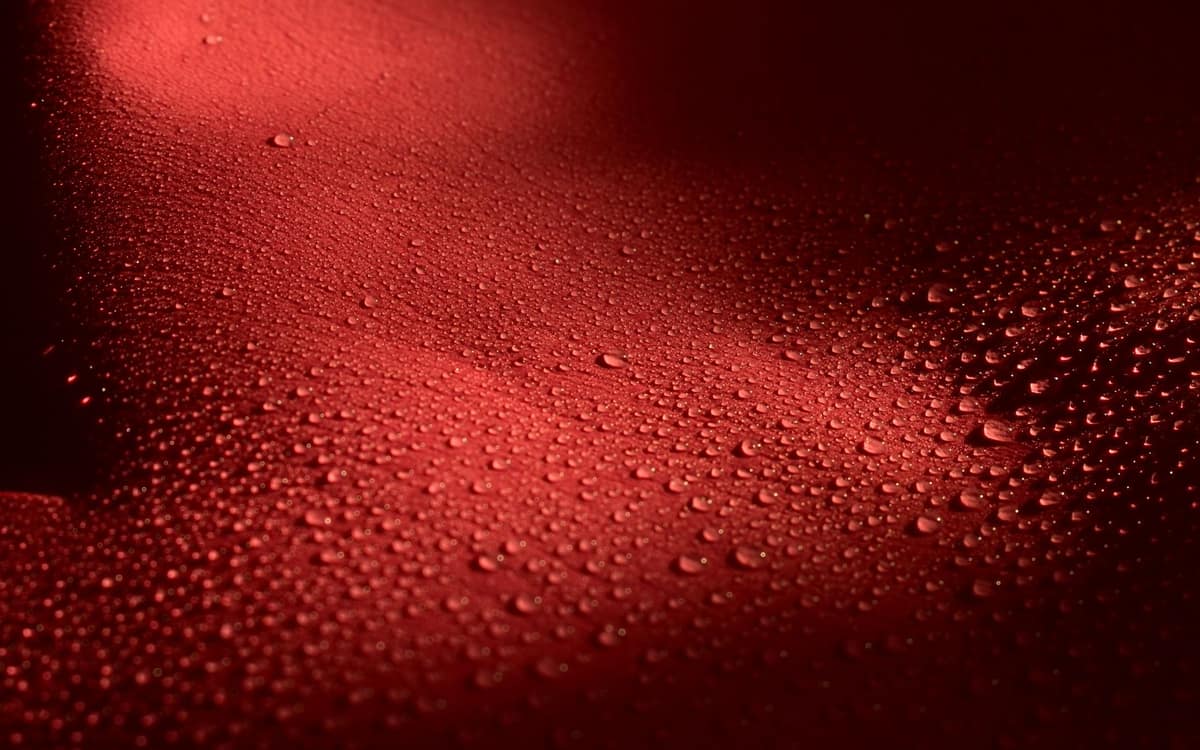
Wicking means moving liquid along or through a fabric so it can evaporate from a larger surface. It is not the same as absorbing it, and it is the opposite of repelling it. Cotton and linen absorb, lyocell and viscose absorb and spread, engineered polyesters wick along the fiber surface, and ordinary polyester mostly repels.
Why any of this matters
Your body has two ways to shed heat in bed. It can pass heat directly into whatever it touches, which is slow and stops working as soon as that surface warms to your temperature. Or it can evaporate water off your skin, which is fast, and which is the reason a breeze feels dramatic on damp skin and boring on dry skin.
Evaporation is by a wide margin the more powerful of the two, and it is the one bedding can help or ruin. Sweat sitting in a film on your skin under a sealed fabric does almost nothing for you, because the air right above it is already saturated. Sweat drawn into a fabric and spread across a wide area evaporates freely, and that removes real heat. So the useful question about a sheet is not whether it feels cool, but what it does with water.
Three different things, sold under one word
| Mechanism | What happens to the sweat | Typical fibers | Good for a hot sleeper? |
|---|---|---|---|
| Absorption | Taken into the fiber itself, away from your skin | Cotton, linen | Yes — high capacity, but slow to dry |
| Wicking and spreading | Drawn in and distributed over a wide area | Lyocell, viscose from bamboo | Yes — the best all-round behavior |
| Surface wicking | Moved along the outside of the fiber, dries fast | Engineered polyester such as Coolmax | Yes, for heavy sweating |
| Repelling | Left on your skin as a film | Ordinary polyester, brushed microfiber | No — the failure mode |
The distinction between rows three and four is the one the marketing blurs hardest, and it matters. Both are polyester. Polyester does not absorb water — the fiber is hydrophobic, and that is fixed chemistry. Engineered wicking fabrics get round this by shaping the fiber, typically with channels or a modified cross-section, so liquid travels along the outside by capillary action and spreads out to dry. Ordinary polyester has none of that structure. It simply does not take the water anywhere, which is why microfiber sheets feel clammy and why we treat them as the fabric to avoid.
Absorbing versus wicking: which you want
These suit different problems, and it is worth knowing which one you have.
Absorption is high-capacity. Cotton can take up a lot of water into the fiber before it feels wet, and linen more still, which is why linen tolerates a sweaty night better than anything else here. The trade is drying speed: a saturated natural fiber stays damp, and a damp sheet is both uncomfortable and a poorer insulator than a dry one. Owning two sets matters more than owning one expensive set for exactly this reason.
Wicking and spreading is what lyocell and good viscose do, and it is the most useful behavior for most people: moisture goes into the fiber and also distributes sideways, so it evaporates from a large area instead of pooling in one patch. It also gives a smooth, cool hand-feel that people who dislike crisp percale tend to prefer.
Surface wicking in an engineered polyester dries fastest of all, which is why it earns its place for genuinely heavy sweating even on a site that is generally cool on synthetics. If you wake with the bed actually wet rather than merely warm, drying speed beats capacity, and that is the honest case for it — the picks are on cooling sheets for night sweats.
Anti-sweat, sweat-resistant, sweat-proof
These phrases have no agreed meaning and no standard behind them. Read them as marketing for one of the mechanisms above, and work out which by looking at the fiber content, which sellers do have to state. Sweat-resistant in particular is ambiguous in a way that matters: it can describe a fabric that moves moisture away efficiently, or one that repels it and leaves it on you. Those are opposite outcomes from the same two words.
Be especially wary of a wicking claim attached to a waterproof or water-resistant layer. A sheet or protector that stops liquid passing through it is by definition stopping vapor too, whatever the top surface does. That combination is common on mattress protectors and it is covered on protectors and heat.
How to buy for this specifically
- Read the fiber content, not the claim. It is the one thing on the listing that is regulated. 100% cotton, 100% linen and 100% lyocell tell you what you need; cooling fabric tells you nothing.
- Prefer a named engineered fiber to generic polyester. If a listing claims wicking and the content says polyester with no named technology, assume ordinary polyester.
- Watch for blends. A cotton-polyester blend absorbs less than the cotton percentage suggests, because the polyester fraction contributes nothing.
- Skip fabric softener entirely. It deposits a waxy coating that makes fibers repel water, which converts a wicking sheet into a repelling one over a few washes. This is the most common way people destroy a sheet that was working — see how to wash cooling sheets.
- Buy two sets. Sweat capacity is finite on any fabric, and a dry mid-range sheet beats a damp expensive one every night of the week.
Where a seller does not publish GSM or a fiber technology name, we record that the figure is not published rather than estimating it. The full fiber-by-fiber breakdown is on cooling sheet materials, and the ranked sets are on the cooling sheets hub.
Common questions
What are moisture-wicking sheets?
Sheets that move sweat off your skin and spread it over a wider area so it can evaporate, which is what actually removes heat. Lyocell and viscose do it by absorbing and spreading, and engineered polyesters such as Coolmax do it along the outside of shaped fibers so the fabric dries quickly.
Is wicking the same as absorbent?
No. Absorbent fabrics take water into the fiber itself, which gives high capacity but slower drying — cotton and linen work this way. Wicking moves liquid along or through the fabric to spread it out for evaporation. The best sheets for a hot sleeper tend to do both, which is what lyocell and good viscose are doing.
Do sweat-resistant or anti-sweat sheets actually work?
The phrases have no standard meaning, so it depends entirely on the fabric behind them. Check the fiber content instead: cotton, linen, lyocell and named engineered polyesters move moisture usefully, while ordinary polyester and brushed microfiber leave it on your skin no matter what the packaging claims.
Which fabric is best for someone who sweats heavily at night?
If the bed is genuinely getting wet, drying speed beats capacity, and an engineered wicking polyester is the honest recommendation. If you are damp rather than soaked, linen or lyocell will be more comfortable and more breathable. Either way, own two sets so you are never sleeping on a damp one.
Does fabric softener affect moisture wicking?
Badly, and permanently if you keep using it. Softener works by coating fibers with a thin waxy film, and that film repels water — so a wicking sheet gradually becomes a repelling one. Most sheets that people say stopped working were washed with softener or dryer sheets.
Read next
- Cooling SheetsThe cheapest change that actually works. Weave and fiber decide everything.
- The best cooling sheets for night sweatsSweat needs absorbency and drying speed, which is a different spec from airflow.
- The best cooling sheet material for hot sleepersEvery common sheet fiber compared on how it moves heat and what it does with sweat.
- What bedding fabrics sleep coolest?Rank every bedding fiber by the two things that cool: airflow and wicking.
- Microfiber sheets and heatWhy brushed polyester traps heat and sweat, and the cheap alternatives that do not.
Try the cheap thing first
Work down this list in order. Each step costs more than the one above it, and most people stop before the bottom. Replacing a mattress to fix a problem your sheets were causing is the most expensive mistake in this category.
- 1Pillowcase, then pillowUnder $20 to start
- 2Sheets$25-$60
- 3Top layer$30-$90
- 4Topper or pad$30-$300
- 5The mattress$200-$900
Before any of it: work out which one is actually your problem. If your bedroom is 78°F, none of these will save you.