Why your mattress sleeps hot
Memory foam is temperature-sensitive by design. That is the feature, and it is also the reason your bed gets warmer the longer you lie still.
By Stephen V. · Specs last verified · Prices live as of October 25, 2026
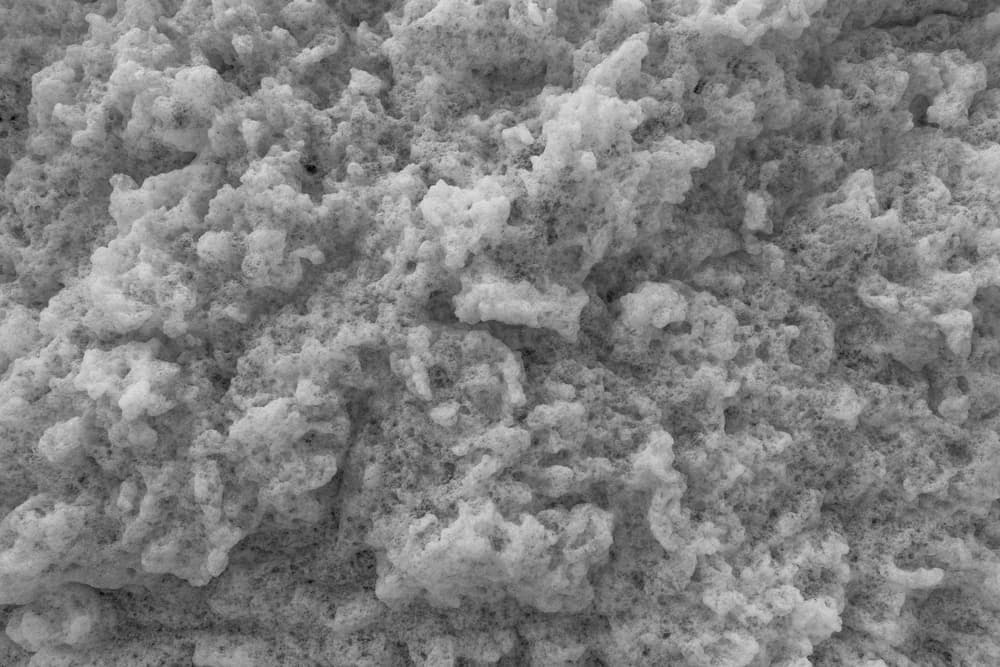
Memory foam is viscoelastic: it softens as it warms, which is how it molds to you. As the night goes on it wraps more of your body, reducing the surface exposed to air and trapping heat in the hollow you have made. Solid foam also has no open structure for air to move through, unlike a pocket-coil core.
If your heat problem started when you bought a foam mattress or added a foam topper, this page is your answer, and it is not a manufacturing defect. It is the material working exactly as designed.
What viscoelastic actually means
Memory foam was developed as an energy-absorbing material and its defining property is temperature sensitivity. Cold, it is firm. Warm, it softens and flows slowly under load. That is the reason it conforms so precisely to a body: your body heat softens exactly the region you are pressing into, and the foam sinks away from you there.
Follow that through and the heat consequence is obvious. In the first minutes you lie on top of the foam. An hour later you are partly inside it, with foam contacting your sides as well as your back. Contact area has increased, exposed skin area has decreased, and the air that was around you has been displaced by an insulating solid. The bed genuinely does get hotter as the night progresses, and the mechanism is the same one you paid for.
Why solid foam has no way to move heat
A pocket-coil mattress core is mostly empty space: springs with air between them, and that air can move. An all-foam core is a solid block of polyurethane. There is no convection path through it, so the only way heat leaves is conduction through the foam itself — and polyurethane foam is, by construction, a good insulator. That is not a flaw in any particular mattress. It is what foam is.
This is why our mattress picks are hybrids rather than all-foam beds, and why the coil-versus-no-coil question outranks every other spec in a mattress listing.
What about gel infusion, copper, graphite and green tea?
These are additives mixed into the foam. Gel and phase-change beads raise the foam's heat capacity, meaning it takes marginally more energy to warm up. Copper and graphite raise its thermal conductivity slightly, meaning heat spreads through it a little faster. Both effects are real and both are small, and crucially neither gives the heat anywhere to go. Once the whole slab has warmed to your temperature, the additive has finished its job.
The honest way to think about it: gel infusion changes how long the foam takes to get hot, not whether it gets hot. If your problem is falling asleep, that may be enough. If your problem is 3am, it is not.
Constructions, ranked
| Construction | Airflow through the core | Conforms around you | Sleeps |
|---|---|---|---|
| Innerspring (open coils) | High | Barely | Coolest |
| Latex over pocket coils | High | Moderate, responsive | Cool |
| Pocket coils + foam comfort layer | Moderate to high | Moderate | Cool to neutral |
| All-latex | Moderate — open cell, pin-cored | Moderate, responsive | Neutral |
| All memory foam | None | Heavily, increasing over the night | Warmest |
What you can do without replacing the mattress
- Put something between you and the foam.A thin fiber pad or a latex topper changes the surface you contact. Do not add gel memory foam to fix a foam heat problem — you are adding more of the cause. See toppers and pads.
- Get air under you. An under-sheet fan attacks the exact failure mode here: no convection path. It is the cheapest genuinely active fix at around $70.
- Check the foundation. A solid platform or a mattress on the floor blocks the only airflow route the underside had. A slatted base with gaps helps.
- Fix everything above you first. Sheets and top layer are cheaper and, in most cases, are contributing more than you think.
If you conclude the mattress genuinely has to go, read mattress versus topper first — it is the same decision from the other direction, and the topper wins more often than the mattress industry would like.
Age is the variable people leave out. A bed that has softened lets you sink further in, which increases how much of you is in contact with bedding and shrinks the surface exposed to room air — so the same mattress genuinely does get hotter over the years. How to tell softening from sagging is on when to replace a mattress.
If the sentence that fits your situation is “it started when I bought a plush bed,” the mechanism is contact area rather than materials, and it is set out on does a firmer mattress sleep cooler.
Common questions
Why does memory foam sleep hot?
Memory foam is viscoelastic, meaning it softens as it warms. That is how it conforms to you — and it means that the longer you lie still, the more it wraps around your body, increasing contact area and reducing the skin exposed to air. Solid foam also has no open structure for air to move through, unlike a coil core.
Does gel-infused memory foam actually sleep cooler?
Slightly, and briefly. Gel raises the foam's heat capacity so it takes a little longer to warm up, but it gives the heat nowhere to go. Once the slab reaches your body temperature the additive has finished helping. It changes how long the foam takes to get hot, not whether it does.
Which mattress type sleeps coolest?
A traditional innerspring, because its core is mostly open air. Among modern beds, latex over pocket coils is the coolest common construction: coils give convection a path and latex is open-celled and responsive rather than heat-softened. All-foam beds sleep warmest.
Can I make my existing memory foam mattress cooler?
To a degree. Put a thin fiber pad or a latex topper between you and the foam so you are not in direct contact with it, make sure the base is slatted rather than solid so the underside can breathe, and consider an under-sheet fan, which directly addresses the missing convection path. Do not add a gel memory foam topper — that adds more of the cause.
Sources
Read next
- Sleeping HotWhy you overheat at night, and what to fix first — cheapest change before most expensive.
- What mattress sleeps coolest?Coils versus no coils, and why every other mattress spec is second order.
- Cooling Mattress ToppersToppers, pads and protectors — three different products people buy interchangeably.
- Does gel memory foam actually sleep cool?Why gel foam cools at first and warms later — capacity isn't removal.
- Hybrid vs memory foam for hot sleepersCoils breathe, foam insulates — the mattress choice that most affects heat.
- What bedding fabrics sleep coolest?Rank every bedding fiber by the two things that cool: airflow and wicking.
Try the cheap thing first
Work down this list in order. Each step costs more than the one above it, and most people stop before the bottom. Replacing a mattress to fix a problem your sheets were causing is the most expensive mistake in this category.
- 1Pillowcase, then pillowUnder $20 to start
- 2Sheets$25-$60
- 3Top layer$30-$90
- 4Topper or pad$30-$300
- 5The mattress$200-$900
Before any of it: work out which one is actually your problem. If your bedroom is 78°F, none of these will save you.